
Lab Plasticware Manufacturer, Suppliers and Exporter in India
Jlabexport is a leading Lab Plasticware Manufacturer,and suppliers in India
Lab plasticware includes plastic laboratory items used to measure, transfer, contain, organise, support, store and handle liquids, samples and laboratory components. Jlab Export manufactures and exports lab plasticware for schools, universities, TVET institutions, research organisations and industrial laboratories.
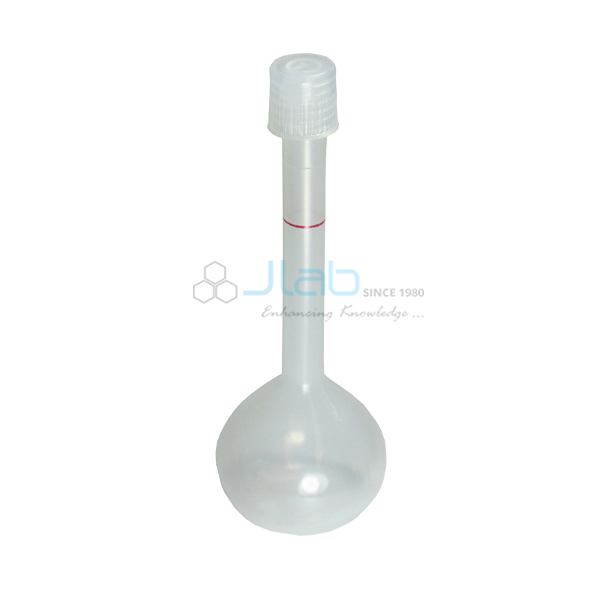
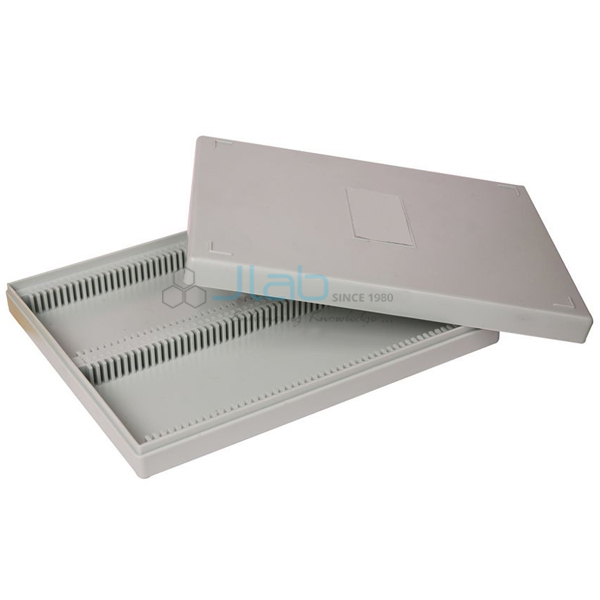
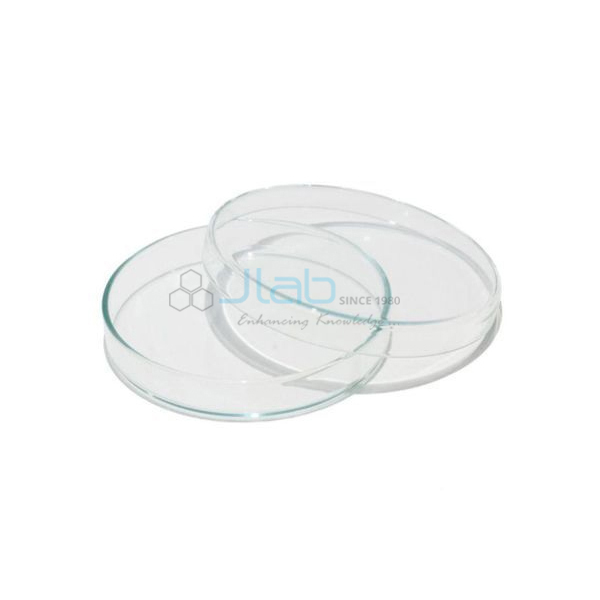
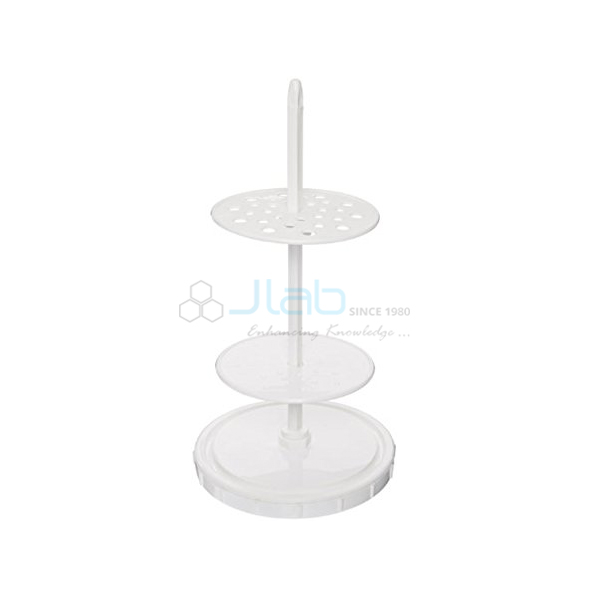
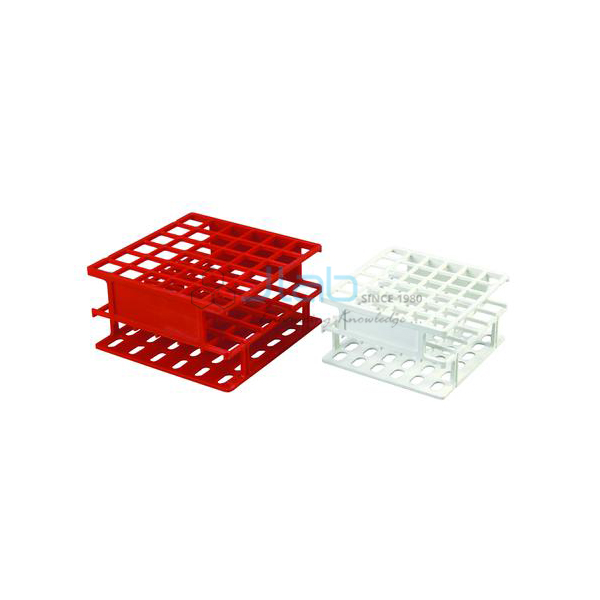
The following listing is arranged according to volumetric plastic ware, vials, slide accessories, tissue culture items, pipette accessories, racks and holders, cryo ware, funnels, general laboratory glassware, molecular items, bottles, connectors, containers, animal cages and centrifuge ware. The examples of products are beakers, radioimmunoassay vials, Coplin jars, Petri dishes, pipette dispensers, microtip boxes, Fisher clamps, cryo vials, specimen jars, dropping bottles, tube connectors and centrifuge tube racks.
Details regarding the specific polymer, volume, dimension, graduation, closure type, temperature suitability, centrifuge suitability, compatibility and packaging must be verified for each chosen product.
What types of Lab Plasticware are available?
Jlab Export lists 15 lab plasticware subcategories covering liquid measurement and transfer, sample storage, slide handling, pipetting, tube support, molecular modelling, laboratory-animal accessories and centrifuge-related applications. Each group contains different products, so buyers should evaluate the individual item rather than apply one specification to the whole category.
The listed subcategories are:
- Volumetric Plasticware
- Vials
- Slide Accessories
- Tissue Culture
- Pipette Accessories
- Racks and Stands
- Cryo Ware
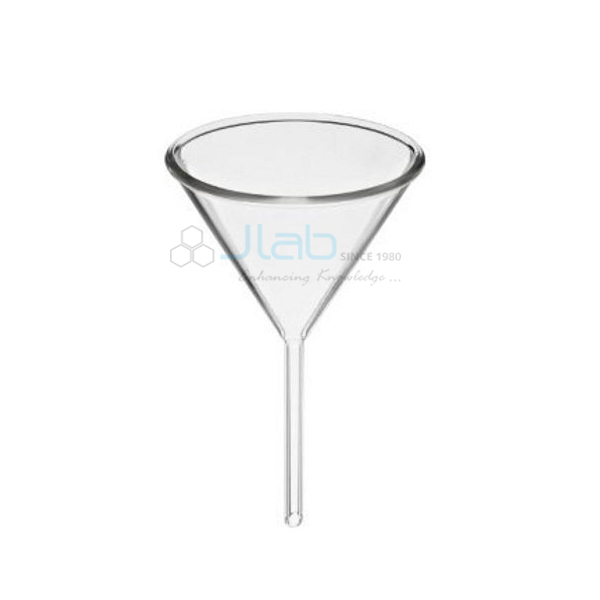
- Funnels
- General Labware
- Molecular Sets
- Bottles
- Connectors
- Containers
- Animal Cage
- Centrifuge Ware
Product-level specifications are available on request where they are not stated on the relevant page.
How do you choose Lab Plasticware for a school or university laboratory?
Choose lab plasticware by matching the item to the intended experiment, sample, liquid-handling task, storage requirement and user level. Buyers should then confirm the material, capacity, dimensions, markings, closure system, compatibility and required quantity before approving the selected product.
A useful institutional enquiry should state:
- Laboratory subject or department
- Intended experiment or procedure
- Type of liquid, sample or component involved
- School, university, TVET, research or industrial use
- Required capacity or dimensions
- Required quantity
- Individual, group or shared-workstation use
- Cleaning or temperature requirements
- Required accessories
- Packing and documentation requirements
Do not approve a product solely from its category name. Request a datasheet whenever performance, compatibility or construction affects the intended use.
Which material details should buyers verify?
Buyers should verify the exact polymer for every lab plasticware item because the supplied catalogue uses different materials for different products. Listed examples include polypropylene, polystyrene and low-density polyethylene, but these materials must not be assumed for products whose individual descriptions do not identify them.
Confirm:
- Stated polymer or material
- Transparency or clarity requirements
- Chemical-contact suitability
- Required rigidity or flexibility
- Cleaning method
- Autoclave suitability, where required
- Operating-temperature range
- Intended sample or liquid
- Single-use or reusable status
- Product-specific compliance documentation
A property stated for one polypropylene product must not be applied automatically to every polypropylene or plastic item in the catalogue.
How should volumetric and liquid-handling plasticware be selected?
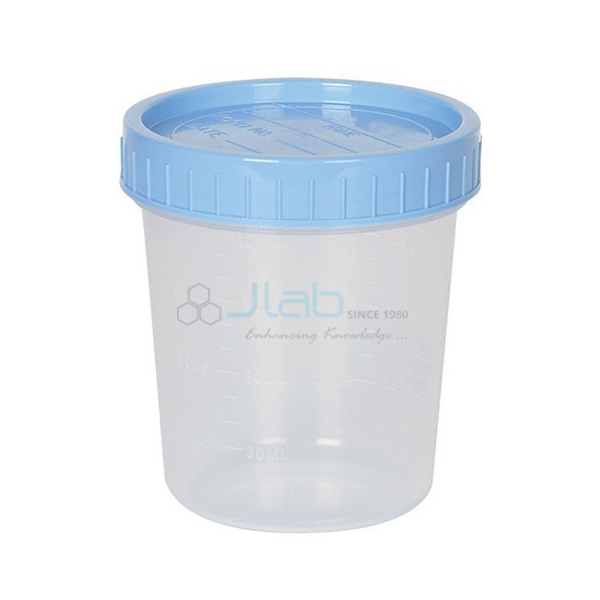
Select volumetric and liquid-handling plasticware by checking capacity, graduations, visibility, outlet design, dispensing method and material compatibility. One listed polypropylene beaker has raised external graduations and is described as autoclavable, while the listed LDPE dropping bottle is intended to dispense small, uniform drops when pressed.
For beakers, bottles, funnels and related products, request:
- Nominal and working capacity
- Graduation interval
- Graduation type and visibility
- Neck, stem or outlet dimensions
- Cap or closure type
- Drop-control requirement
- Material
- Autoclave or temperature suitability
- Compatibility with the intended liquid
- Pack quantity
Graduated plasticware should not be treated as calibrated volumetric equipment unless the relevant accuracy, tolerance or conformity information is supplied for the specific model.
What should be checked when buying vials, cryo ware and centrifuge ware?
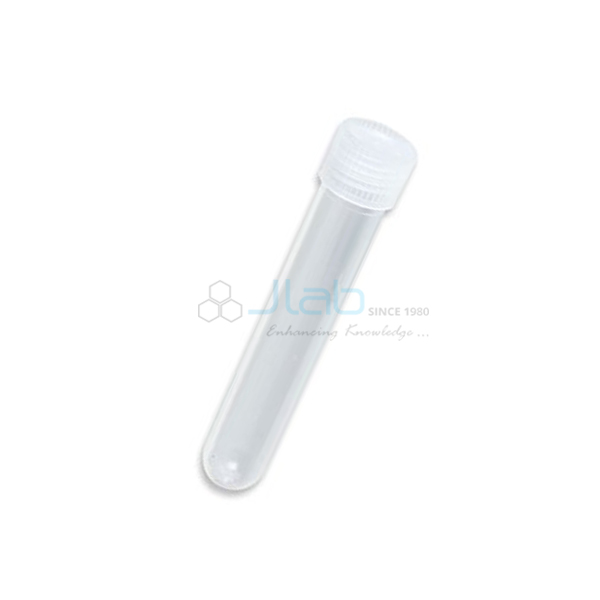
For vials, cryo ware and centrifuge ware, check the tube or vial dimensions, capacity, closure, sealing arrangement, material, centrifugal rating and compatibility with the intended equipment. Temperature or centrifugal suitability should be confirmed from product-specific data rather than inferred from the subcategory name.
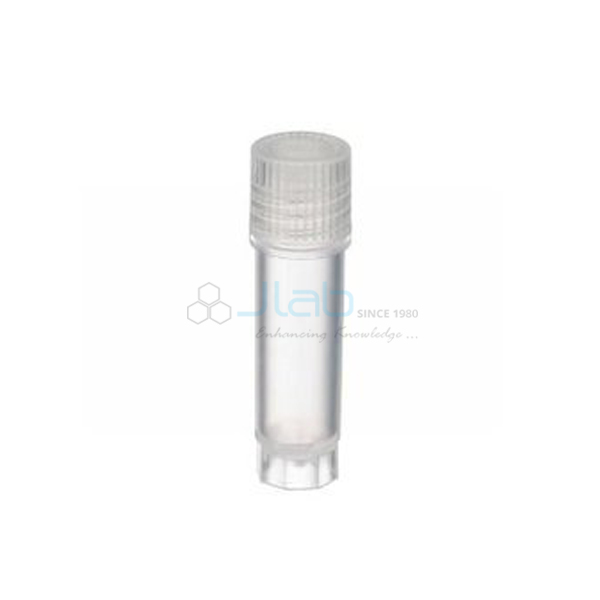
The listed RIA-vial description states that its polypropylene version can withstand 3000 RCF and its polystyrene version 1400 RCF. The internal-thread cryo vial is described with a screw cap and O-ring, while a polypropylene float rack is listed for holding 16 microcentrifuge tubes during water-bath incubation.
These specifications apply only to the stated products. Rotor compatibility, storage temperature and sealing performance for other items remain available on request.
How should racks, stands and connectors be evaluated?
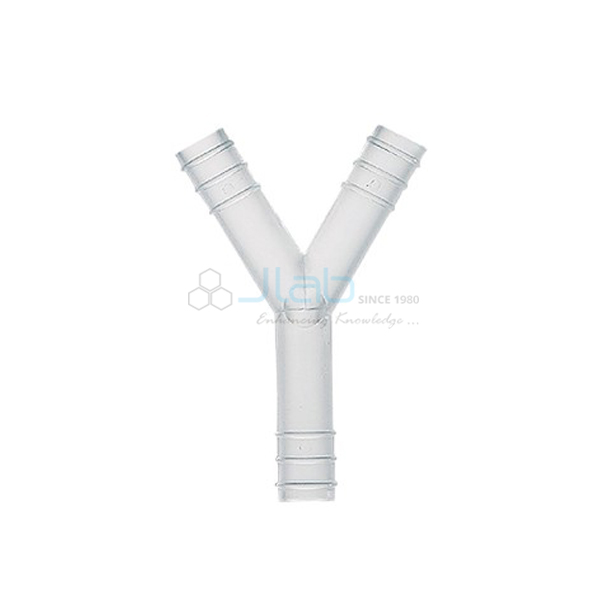
Evaluate racks, stands and connectors by checking the laboratory item they must hold or connect, the required size, number of positions, grip method and material. The catalogue lists a polypropylene Fisher clamp with a spring-loaded gripping mechanism and T, Y and cross connectors with shaped ends intended to grip tubing.
Before ordering, confirm:
- Burette, tube, vial or pipette dimensions
- Number of holding positions
- Base or mounting arrangement
- Clamp opening and grip method
- Connector branch pattern
- Tubing internal and external diameter
- Required flow path
- Material
- Cleaning method
- Quantity per workstation
A connector should be selected against the actual tubing dimensions and required layout. A rack or clamp should be checked against the exact laboratory item it will support.
What should tender and export buyers include in a Lab Plasticware enquiry?
Tender and export buyers should submit a complete bill of quantities, item descriptions, minimum specifications, quantities, destination and required bid documents. Jlab Export states that its tender process can provide itemised quotations, compliance or deviation statements, datasheets, manufacturer documentation, certificate copies and packing information.
The enquiry should identify:
- Tender reference and closing date
- Product name and required quantity
- Minimum material and capacity
- Required dimensions or graduations
- Permitted deviations
- Required certificate copies
- Individual or bulk packing
- Carton-marking instructions
- Inspection requirements
- Delivery destination
- Required shipping documents
- Required sample approval
Certificate copies are manufacturer-stated and should be checked for validity, issuing body, scope and applicability to the quoted product.
Lab Plasticware Product Types
|
Type |
Key feature |
Typical use |
|
Volumetric Plasticware |
Listed beaker moulded in polypropylene with raised external graduations |
Liquid holding and graduated laboratory work |
|
Vials |
RIA vials listed in polypropylene and polystyrene with material-specific RCF ratings |
RIA, coagulation and bacteriology applications |
|
Slide Accessories |
Coplin jar listed within the subcategory |
Slide-related laboratory procedures |
|
Tissue Culture |
Petri dish listed within the subcategory |
Tissue-culture laboratory work; exact specification on request |
|
Pipette Accessories |
Pipette pump and microtip box listed |
Pipetting and tip organisation |
|
Racks and Stands |
Polypropylene Fisher clamp with spring-loaded burette grip |
Supporting and holding burettes |
|
Cryo Ware |
Internal-thread cryo vial with screw cap and O-ring |
Sealed vial storage; temperature rating on request |
|
Funnels |
Funnel holder and long-stem funnels listed |
Funnel support and liquid-transfer tasks |
|
General Labware |
Transparent specimen jar with a tight-fitting cap |
Preserving laboratory specimens |
|
Molecular Sets |
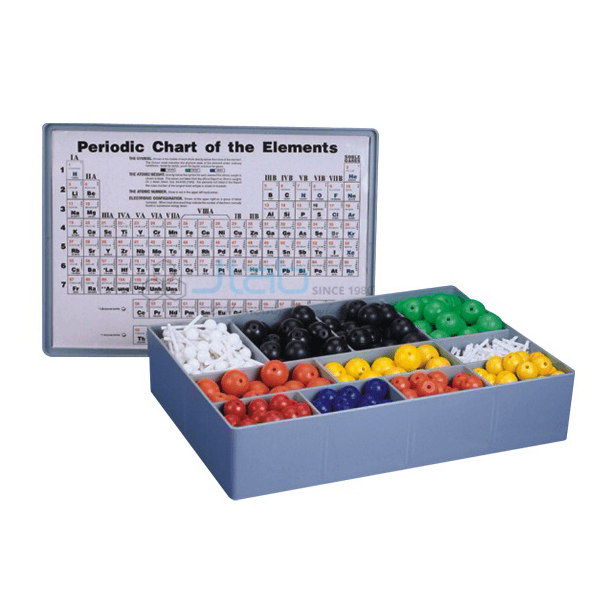
Moulded balls and connecting lugs in different sizes |
Modelling organic and inorganic compounds |
|
Bottles |
LDPE dropping bottle designed to dispense small drops |
Controlled drop dispensing |
|
Connectors |
T, Y and cross configurations with shaped tube-gripping ends |
Creating branched tubing connections |
|
Containers |
Polypropylene container with a built-in cap seal |
Sample collection; intended sample requires verification |
|
Animal Cage |
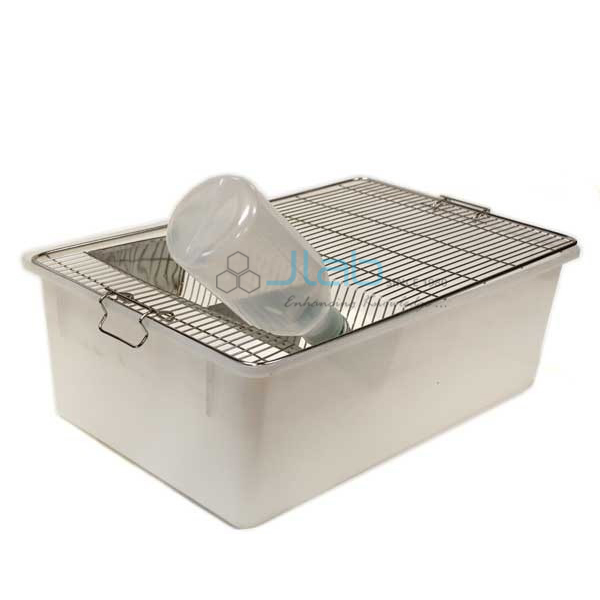
Cages listed in two sizes with water bottles as accessories |
Laboratory-animal housing and water provision |
|
Centrifuge Ware |
Polypropylene float rack for 16 microcentrifuge tubes |
Holding tubes during water-bath incubation |
Lab Plasticware Selection Criteria
|
Criterion |
What to check |
|
Intended application |
Identify whether the item is for measuring, transferring, storing, supporting, collecting, culturing or modelling |
|
Product type |
Select the correct beaker, vial, bottle, rack, funnel, connector, container or accessory |
|
Material |
Request the exact polymer stated for the selected product |
|
Capacity |
Confirm nominal capacity, working capacity and pack size |
|
Dimensions |
Check height, diameter, neck, stem, tube or connector dimensions |
|
Graduations |
Confirm graduation interval, visibility and any stated tolerance |
|
Closure |
Check cap type, thread, O-ring, built-in seal or press-fit arrangement |
|
Compatibility |
Confirm compatibility with tubes, tips, slides, burettes, rotors, racks or other equipment |
|
Centrifugal use |
Request the applicable RCF rating and rotor compatibility |
|
Temperature suitability |
Confirm autoclavability, operating temperature and storage limits product by product |
|
Sample or liquid |
Identify the substance or specimen that will contact the plasticware |
|
Holding capacity |
Confirm the number and dimensions of tubes, vials or other items a rack can hold |
|
Supplied condition |
Request confirmation of cleanliness, sterility or individual packing where required |
|
Quantity |
Calculate requirements per student, group, workstation or laboratory |
|
Documentation |
Request technical datasheets, product photographs and applicable certificate copies |
|
Tender compliance |
Compare the offered specification against every BOQ clause |
|
Export packing |
Confirm pack quantity, carton arrangement, marking and shipment requirements |
Related Jlab Export Resources
- Jlab Export Home
- Product Catalogue
- Tender and OEM Enquiries
- About Jlab Export
- Frequently Asked Questions
- Contact Jlab Export
Frequently Asked Questions
What is Lab Plasticware?
Lab plasticware is a category of plastic laboratory products used for liquid handling, sample containment, storage, organisation, support, centrifuge-related work and practical demonstration, with the correct product determined by its stated material, dimensions, capacity, compatibility and intended laboratory application.
Which Lab Plasticware categories does Jlab Export list?
Jlab Export lists volumetric plasticware, vials, slide accessories, tissue-culture products, pipette accessories, racks and stands, cryo ware, funnels, general labware, molecular sets, bottles, connectors, containers, animal cages and centrifuge ware within its Lab Plasticware category.
Is all Jlab Export Lab Plasticware made from the same material?
No, the supplied product pages identify different materials for different items, including polypropylene, polystyrene and low-density polyethylene, so buyers should request the exact polymer and product-specific suitability instead of assuming one construction material across the complete category.
Is every plasticware product autoclavable?
Autoclavability should not be assumed for every item because the supplied pages describe it only for particular products, including the listed polypropylene beaker and float rack; the applicable temperature, cycle and cleaning conditions should therefore be confirmed for each selected model.
How should centrifuge-compatible plasticware be selected?
Centrifuge-compatible plasticware should be selected by confirming material, tube dimensions, capacity, maximum RCF, rotor compatibility and closure, because the listed RIA-vial page gives different RCF ratings for polypropylene and polystyrene versions rather than one universal rating.
Are the listed cryo vials suitable for every storage temperature?
No universal storage-temperature rating is supplied for the complete cryo-ware range; the listed internal-thread vial is described with a screw cap and O-ring, but buyers must request the applicable temperature range, capacity, sealing data and storage compatibility for the required product.
Can Jlab Export quote Lab Plasticware for institutional tenders?
Jlab Export can prepare tender quotations against a submitted BOQ and states that applicable bid support may include itemised technical quotations, compliance or deviation statements, datasheets, manufacturer documentation, certificate copies, inspection records and packing documents.
Request a Quote for Lab Plasticware
Send Jlab Export the required product names, specifications, capacities, quantities, application, delivery destination and documentation requirements for a product-specific quotation.
Request a Quote |Request a Catalogue |Submit a Tender Enquiry