Anatomical Models Manufacturer, Suppliers and Exporter in India
Jlabexport is a leading Anatomical Models Manufacturer,and suppliers in India, United States, Indonesia, Brazil, Bangladesh, Mexico, Japan, Egypt, Philippines, Democratic Republic of the Congo, Vietnam, Iran, Turkey, Tanzania, United Kingdom, France, South Africa, Italy, Kenya, Colombia, Sudan, Uganda, South Korea, Argentina, Afghanistan, Yemen, Angola, Morocco, Poland, Uzbekistan, Mozambique, Malaysia, Ghana, Saudi Arabia, Peru, Madagascar, Côte d’Ivoire, Cameroon, Niger, Venezuela, Australia, Syria, Mali, Burkina Faso, Sri Lanka, Malawi, Zambia, Chad, Kazakhstan, Somalia, Chile, Senegal, Ecuador, Cambodia, Zimbabwe, Guinea, Benin, Rwanda, Burundi, Bolivia, South Sudan, Tunisia, Haiti, Belgium, Dominican Republic, Jordan, United Arab Emirates, Honduras, Tajikistan, Papua New Guinea, Portugal, Togo, Sierra Leone, Belarus, Laos, Turkmenistan, Libya, Kyrgyzstan, Nicaragua, Paraguay, Bulgaria, Serbia, Republic of the Congo, Lebanon, Liberia, Central African Republic, Palestine, Oman, Mauritania, New Zealand, Costa Rica, Kuwait, Panama, Croatia, Georgia, Eritrea, Mongolia, Uruguay, Qatar, Namibia, Bosnia and Herzegovina, Moldova, Armenia, Gambia, Jamaica, Lithuania, Albania, Gabon, Botswana, Lesotho, Guinea-Bissau, Slovenia, Equatorial Guinea, Latvia, North Macedonia, Bahrain, Trinidad and Tobago, Timor-Leste, Cyprus, Estonia, Eswatini, Mauritius, Djibouti, Fiji, Comoros, Solomon Islands, Guyana, Bhutan, Luxembourg, Suriname, Montenegro, Malta, Maldives, Cabo Verde, Brunei, Belize, Bahamas, Iceland, Vanuatu, Barbados, São Tomé and Príncipe, Samoa, Saint Lucia, Kiribati, Seychelles, Grenada, Saint Vincent and the Grenadines, Antigua and Barbuda.
Last updated: 13 November 2026
What Are Anatomical Models Used For?
Anatomical models are three-dimensional teaching copies of the human body, its bones, joints and organs. Medical, dental and nursing colleges, school and college biology labs and hospital training rooms use them to teach structure, disease stages and hands-on skills. This range is split into 19 ranges: skeletons and joints, spine and orthopaedic models, organ and sense-organ models, disease models, and nursing, CPR and midwifery trainers. Together the ranges list 475 items, and some models appear in more than one range. JLab (Jain Laboratory Instruments Pvt Ltd), Ambala, India, makes them.
Request a quotation | Compare the ranges | See the topics covered
Which Ranges Make Up the Anatomical Models Category?
| Range | Group | Items | What it covers |
|---|---|---|---|
| Human Models | Skeleton, bone and joint | 49 | Full and half-size skeletons from 42 cm to 180 cm, spine and pelvis sections, life-size joints, and some organ models and a nursing procedure manikin. |
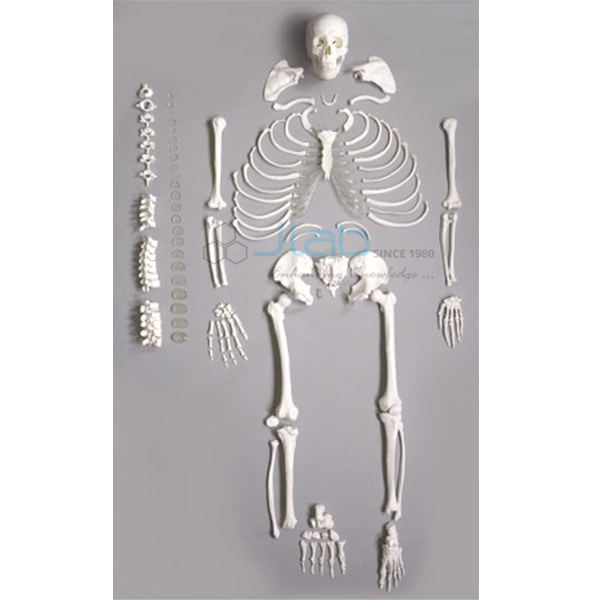
| Skeletons For Medical Students | Skeleton, bone and joint | 3 | Two disarticulated skeletons and a detachable skeleton on a rolling stand. |
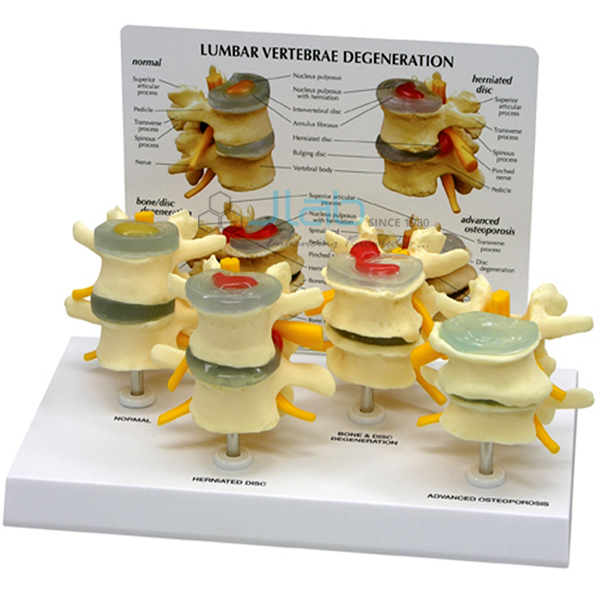
| Ortho Models | Skeleton, bone and joint | 31 | Vertebral columns, disc prolapse and vertebra degeneration models, hip, knee, shoulder, hand and foot joints, and fracture models. |
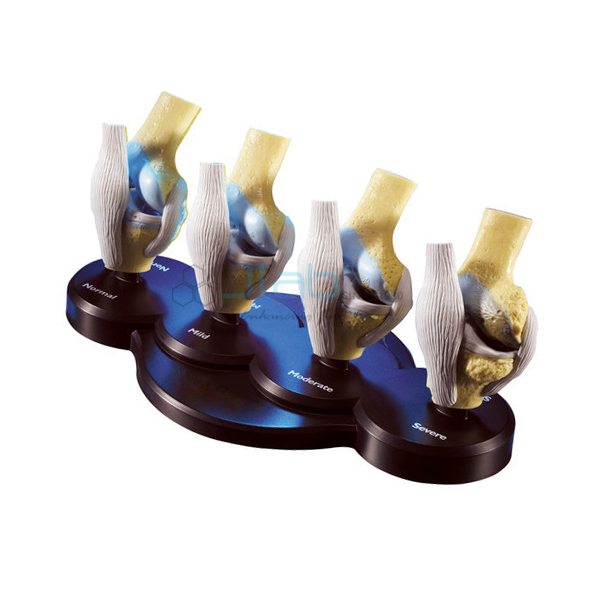
| Arthritis Models | Skeleton, bone and joint | 5 | Staged models of rheumatoid arthritis and osteoarthritis of the hip, knee and hand. |
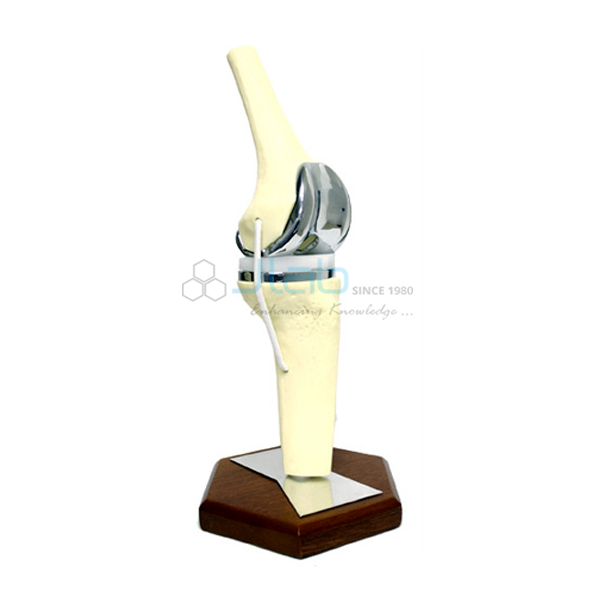
| Implant Models | Skeleton, bone and joint | 2 | A knee implant set and a life-size hip implant model. |
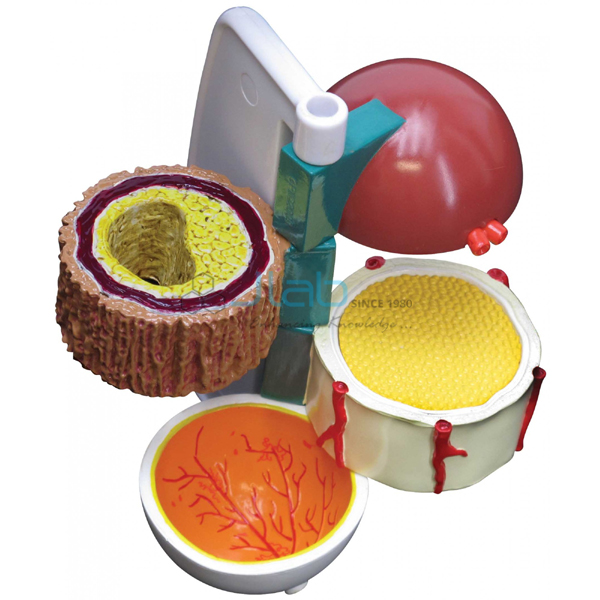
| Anatomical Models | Organ and system | 282 | Skulls, torsos, heart, lung, brain, eye, ear, kidney, skin and dental models, micro anatomy, cell and DNA models. Some plant, animal, geography and engineering demonstration models are also listed here. |
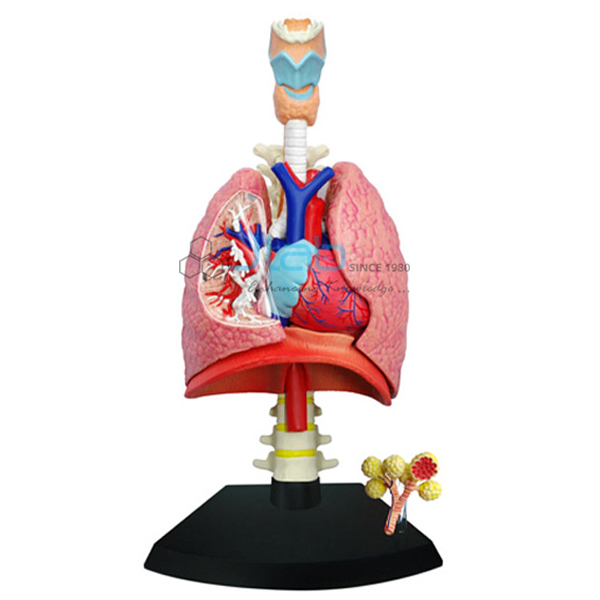
| Heart and Lungs Model | Organ and system | 2 | A 7-part lungs with heart model and a colour-coded lung model with the bronchial tree. |
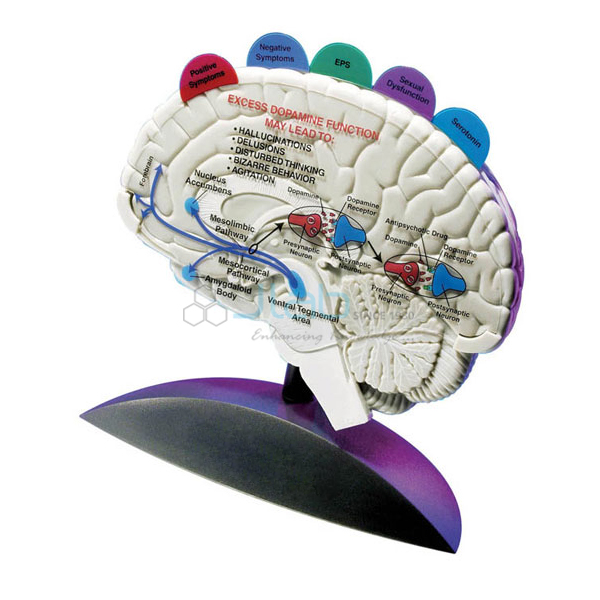
| Brain Models, Neuro Models | Organ and system | 9 | Dissectible brains in 3, 4, 8 and 9 parts, brains with arteries, a regional brain, a stroke model and a brain with tabbed overlays. |
| Liver and Gastro Models | Organ and system | 2 | A 4-piece colon set and a colon model with pathologies. |
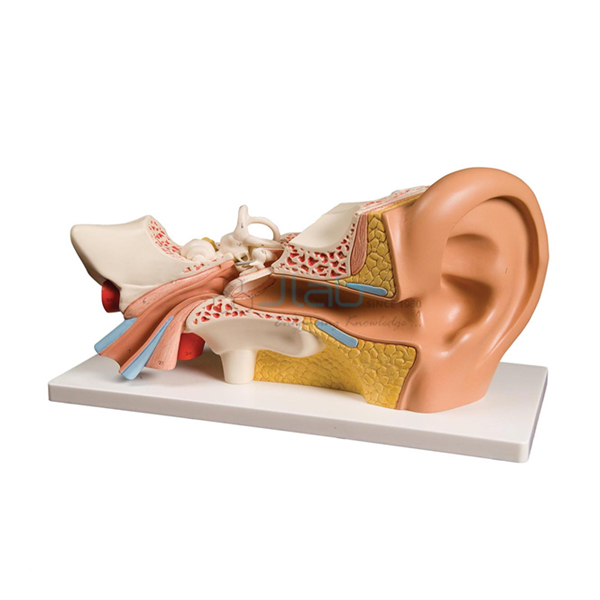
| ENT Models | Organ and system | 4 | Two ear models, with a DNA structure kit and a suture practice pad also listed here. |
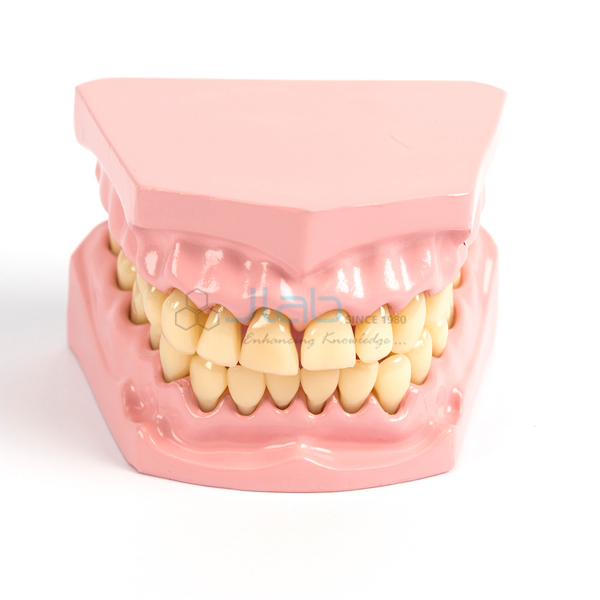
| Dental Models | Organ and system | 4 | A hinged dental model, two teeth models with brush and a dental care model with removable teeth. |
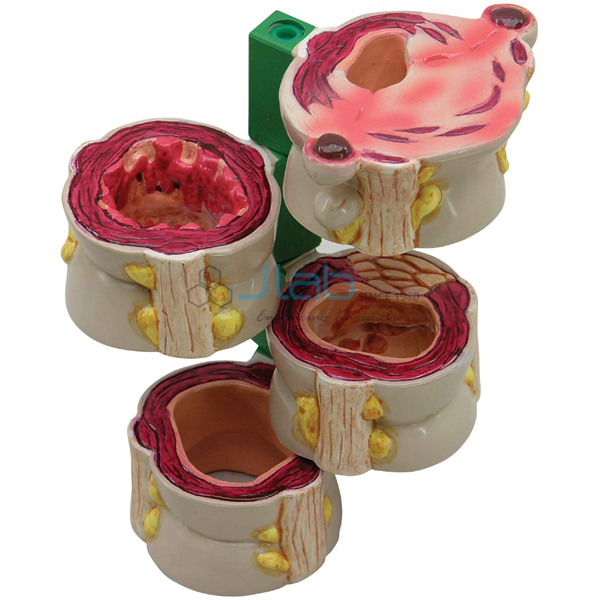
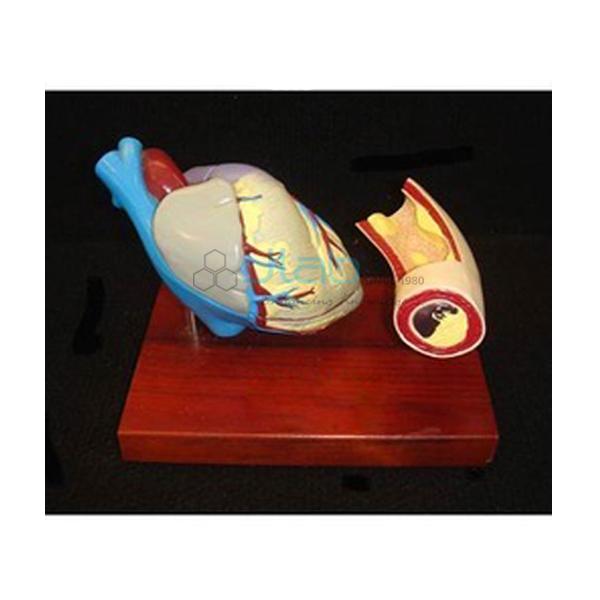
| Heart and Artery Models | Disease and procedure | 11 | Heart models, artery sections showing plaque and cholesterol build-up, a heart pen stand and a clot formation chart. |
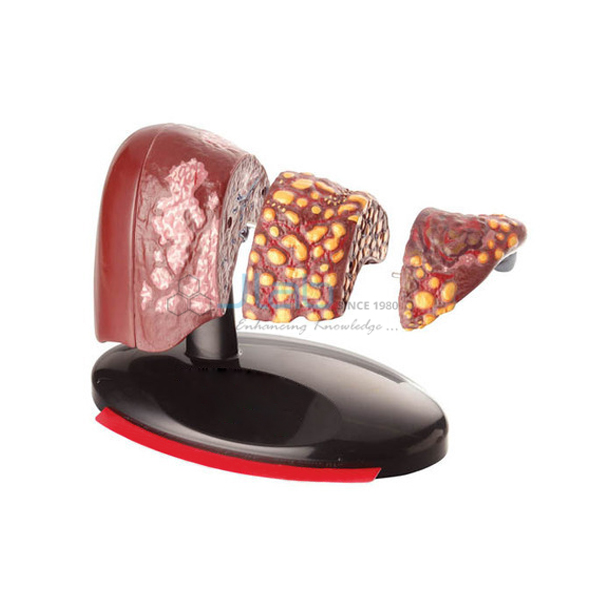
| Four Stage Liver Model | Disease and procedure | 1 | One liver model in four removable parts: healthy, fibrotic, cirrhotic and liver cancer. |
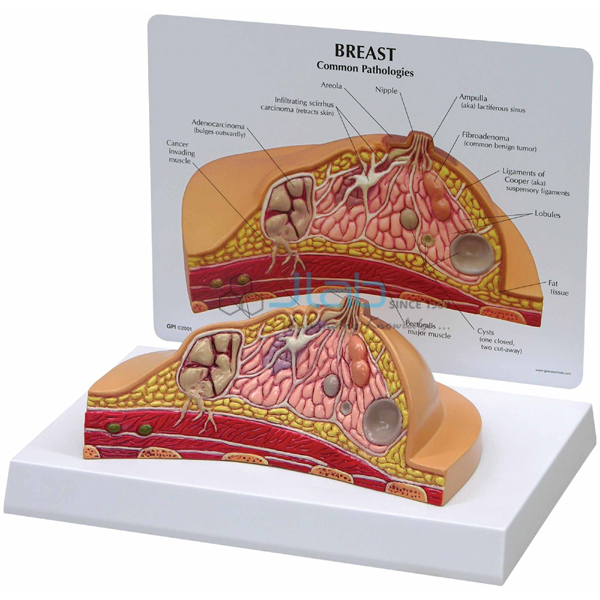
| Cancer Model | Disease and procedure | 1 | A full-size cross section of the breast with four pathologies. |
| Diabetes Model | Disease and procedure | 3 | Two hinged four-organ diabetes models and a diabetic foot model in two versions. |
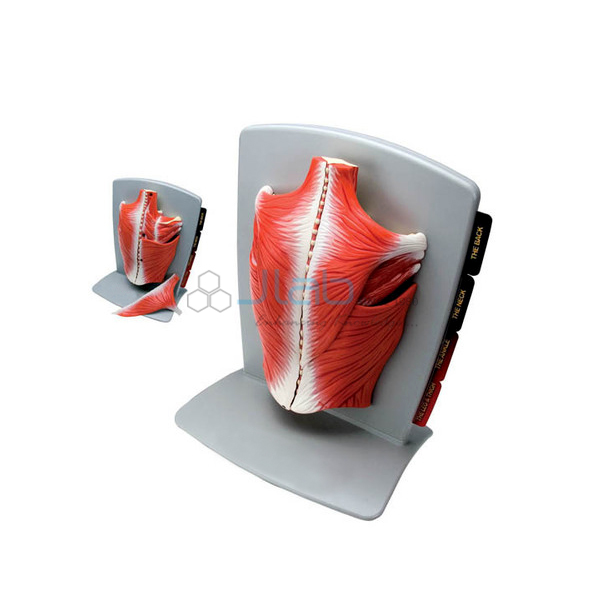
| Special Models | Disease and procedure | 3 | A back muscle model, a balloon angioplasty model and a piles model. |
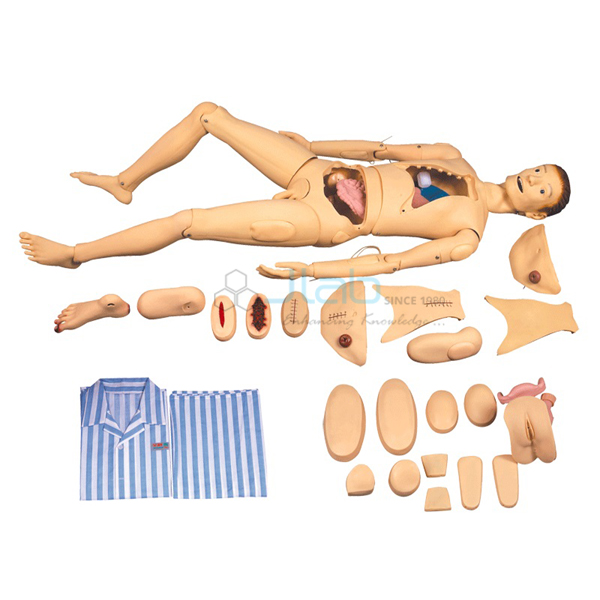
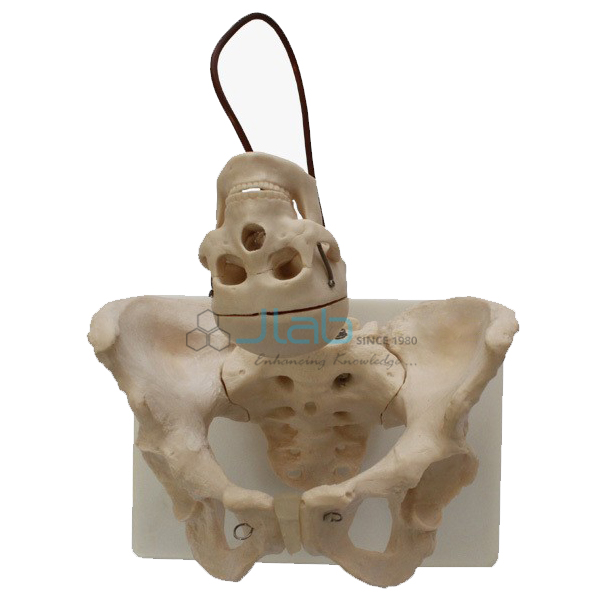
| Nurse Training Models | Nursing and life support trainer | 47 | Nursing manikins, CPR manikins, airway and intubation trainers, injection and IV arms, pelvis sections, and midwifery and examination models. |
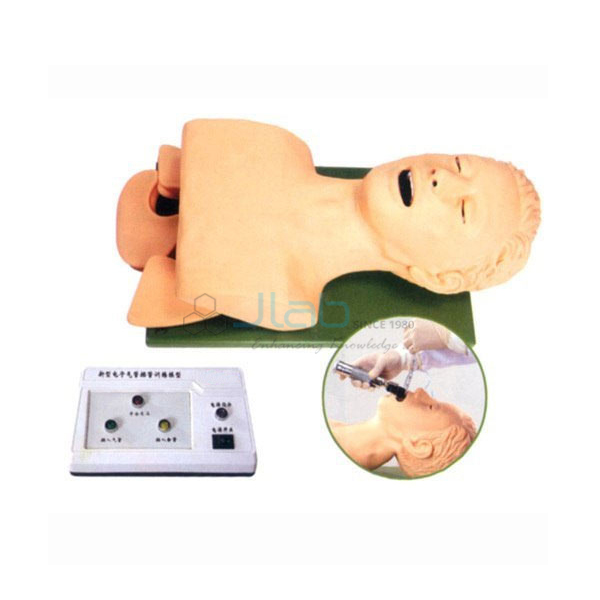
| Life Support Training Models | Nursing and life support trainer | 2 | A full-body trauma nursing care manikin and an electric tracheal intubation model with trauma modules. |
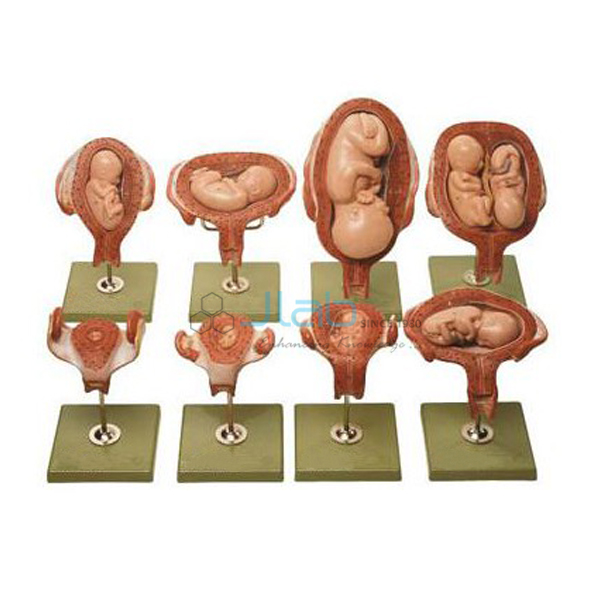
| Gynae Models, Female Health, Uterus Models | Nursing and life support trainer | 14 | Uterus, ovary and IUD models, fetal development sets, a birthing simulator, a cut perineum suturing model and catheterization and breast feeding trainers. |
Compare the Anatomical Model Ranges
Each table sets the ranges of one group side by side. The columns name typical models, what they show and the sizes or materials, taken from the product pages of each range. Open a range to see every model in it.
Skeleton, Bone and Joint Ranges (5)
| Range | Typical models | What they show | Sizes or materials |
|---|---|---|---|
| Human Models | Human Skeleton Tall 180 cm, Lumbar Spinal Column, Shoulder Joint Life Size | Skeletons with removable arms and legs, movable jaw and cut calvarium; lumbar spine with nerves; joint movements | Skeletons 42 to 180 cm tall; the 170 and 180 cm ones in PVC plastic |
| Skeletons For Medical Students | Human Skeleton Dis-articulated, Human Skeleton | Single bones for identification; muscle origins and insertions marked | PVC or composite bones; JL209 weighs 12 ± 3 kg on a steel stand with 5 casters |
| Ortho Models | Human Vertebral Column, Disc Prolapse Simulator Model | Spine with nerve roots and a herniated disc; disc prolapse when the vertebrae flex | Column 29 in (about 74 cm); simulator 12 x 11.5 x 9 cm |
| Arthritis Models | Four-Stage Osteoarthritis Knee Model | Joint changes from normal to severe; cartilage erosion seen when the knee flexes | Sets of four joints; full-size right hand |
| Implant Models | Hip Implants Model | Healthy, diseased and implanted knee; hip movements with flexible ligaments | Knee set 34 x 11.5 x 16 cm on an acrylic stand; hip life size |
Organ and System Ranges (6)
| Range | Typical models | What they show | Sizes or materials |
|---|---|---|---|
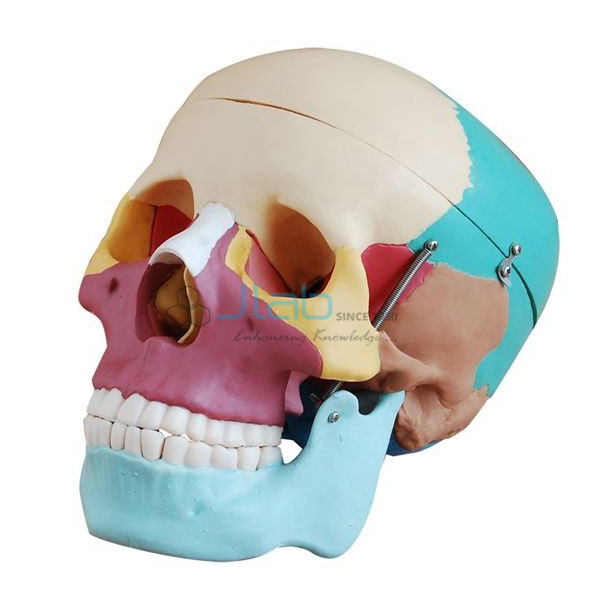
| Anatomical Models | Adult Skull Life Size, Unisex Torso 23 Parts, Jumbo Heart Model, Stomach Model | Skull with removable teeth; torso with interchangeable genitalia; heart interior; gastric folds and pylorus | Skull 19 x 15 x 21 cm; torso 85 cm; heart 4 times enlarged; stomach 2 times |
| Heart and Lungs Model | Lung Model, Lungs with Heart Models | Lung lobes, bronchial tree and pulmonary vessels; bisected heart and larynx | Lung model 38 ± 5 cm, hand-painted PVC; heart and lungs life size, 7 parts |
| Brain Models, Neuro Models | Brain Model Set of 8 Parts, Life Size Brain Model 8 Part | Brain stem, cerebellum and cerebrum lobes; colour-coded functional regions | 8-part set 8 x 6 x 6 in (about 20 x 15 x 15 cm); medical PVC |
| Liver and Gastro Models | Colon Model With Pathologies | Colitis, diverticulitis, polyps and cancer in the colon; appendix and rectum | Not listed |
| ENT Models | Anatomical Ear Model | Outer, middle and inner ear with ossicles, cochlea and semicircular canals | Ear 3.75 x 2.5 x 2.75 in (about 9.5 x 6.4 x 7 cm) |
| Dental Models | Dental Care Model, Large Teeth Model with Brush | 32 removable teeth with caries, plaque and gum disease; brushing technique | Non-toxic PVC and elastomers; dental model 1.5 times |
Disease and Procedure Ranges (5)
| Range | Typical models | What they show | Sizes or materials |
|---|---|---|---|
| Heart and Artery Models | Death of an Artery Models, Heart With Arteries Models | Five artery cross-sections of arteriosclerosis; atherosclerosis progression | Heart with arteries larger than life, 6 pieces |
| Four Stage Liver Model | Four Stage Liver Model | Healthy, fibrotic, cirrhotic and cancerous liver | Four removable parts with a pull-out card |
| Cancer Model | Breast Cancer Model | Adenocarcinoma, cysts, fibroadenoma and scirrhous carcinoma with ligaments, lymph nodes and ribs | 6.5 x 4.5 x 3 in (about 16.5 x 11.4 x 7.6 cm) |
| Diabetes Model | Diabetes Model Set of 4 Piece, Diabetic Foot Model | Effects on kidneys, arteries, nerves and eyes; foot ulcers and severe changes | Foot about 8.9 x 24.1 x 10.2 cm each, with a carrying case |
| Special Models | Back Muscle Model, Piles Model | Removable superficial and intermediate back muscle layers; piles and pelvic organs | Back muscle model soft and flexible |
Nursing and Life Support Trainer Ranges (3)
| Range | Typical models | What they show | Sizes or materials |
|---|---|---|---|
| Nurse Training Models | Body Basic CPR Manikin Female with Monitor and Printer, Airway Intubation Simulator, Multi-Functional Adult IV Training Arm Model | CPR with correct or incorrect signals and printed grades; oral and nasal intubation with warning prompts; 8 arm veins | PVC on the CPR, midwifery and injection trainers that state a material |
| Life Support Training Models | Electric Trachea Intubation Model | Intubation with warning prompts; normal and dilated pupils; burn, wound and fracture modules | Not listed |
| Gynae Models, Female Health, Uterus Models | Cut Perineum Model, Fetal Development Set Model | Pre-cut episiotomy types for suturing; stages of pregnancy with removable fetus | Perineum 18 x 15 x 10 cm, soft silicone, 100 suture practices |
How to Choose Anatomical Models for Your Course
- Articulated or disarticulated skeleton. An articulated skeleton on a stand shows the body as one frame and suits demonstration. A disarticulated set, such as the Disarticulated Human Skeleton 200 Bones, lets students hold each bone for identification and viva practice.
- Skeleton height. The Human Models range runs from a 42 cm mini skeleton through 84 and 85 cm half sizes to 168, 170 and 180 cm full sizes. Full sizes suit medical colleges; the smaller ones fit a school bench or a shelf.
- Life size or magnified. Life-size models keep true proportions. Enlarged ones, such as the 4 times Jumbo Heart Model or the 2 times stomach, make small structures visible from the back of a class.
- Normal anatomy or disease stages. Choose the organ and joint ranges for normal structure. Choose the arthritis, artery, liver, diabetes and cancer ranges when the syllabus asks for changes from normal to severe.
- Display model or skills trainer. Nursing and life support trainers are handled by students. The CPR manikin with monitor and printer signals correct or incorrect operation, and the intubation simulators give warning prompts.
- Cleaning and labels. The Lung Model and the Heart Model are waterproof and take mild alcohol-based disinfectants. Choose numbered or colour-coded parts where students must name structures.
Teaching Topics Covered by the Anatomical Models Range
Who Uses Anatomical Models?
Medical, dental and nursing colleges use the skeletons, organ, disease and skills models for anatomy teaching and clinical skills practice. Schools and colleges use the skeletons, torsos and organ models in biology, and hospitals use the CPR and nursing trainers for staff training.
Ordering, Minimum Quantity and Dispatch
| Point | Detail |
|---|---|
| Minimum order quantity | 10 units of each model, as shown on its product page |
| Pack quantity | Each model is sold individually |
| Dispatch time | Usually 7–10 working days |
| How to enquire | Use Add To Cart on a product page, or send the model names and quantities through the contact page |
| Tenders and OEM supply | Send the schedule through the tender enquiry page |
| Manufacturer | JLab (Jain Laboratory Instruments Pvt Ltd), Ambala, India |
Related Ranges in Educational Lab Equipment
Anatomical Models is one of 20 subcategories of the Educational Lab Equipment range. These ranges support the same anatomy and biology lessons.
| Range | How it relates |
|---|---|
| Biology Lab Equipment | The biology hub, with human biology, dissection, health, cell, genetics and molecular model ranges and prepared slides. |
| Human Biology Equipments | Body system models, walk-through heart and digestive models, and human biology microslides. |
| Molecular Model Equipment | DNA, RNA, protein, amino acid and sugar molecular model kits. |
| Dissection Equipments | Dissecting sets, boards, trays, forceps, needles, scalpels and blades. |
| Charts | The wall chart hub, including human physiology, health care and first aid series. |
| Human Physiology Charts | Skeleton, muscle, heart, brain, eye, ear, teeth and organ system charts to pair with the models. |
| First Aid Charts | Bandaging, fracture, artificial respiration and emergency resuscitation charts for CPR and nursing classes. |
| NCERT Kits | Upper primary and secondary science and mathematics kits, including a secondary biology lab kit. |
Frequently Asked Questions
Should a college buy an articulated or a disarticulated skeleton?
Many anatomy departments use both. The articulated skeleton on a stand shows how the bones fit together and how the joints move. The disarticulated set lets each student hold a single bone, find its landmarks and practise identification for practical examinations.
How do students tell whether a bone is from the left or the right side?
Hold the bone in the anatomical position. First find the upper and lower ends, then the front and back surfaces, then the side that faces the midline. For a humerus, the head points up and towards the body and the intertubercular groove faces forward.
How many lobes do the lungs have, and why do they differ?
The right lung has three lobes and the left lung has two. The left lung is smaller because the heart lies towards the left, leaving a cardiac notch. The Lung Model shows the lobes in separate colours, with the bronchial tree and the pulmonary arteries and veins.
Why are some models made larger than life?
Small structures are hard to see on a life-size model from a distance. The Jumbo Heart Model is four times enlarged and the Stomach Model twice natural size. Micro anatomy models, such as the muscle fibre model, show tissue at about 10,000 times so students can see cell-level detail.
How should anatomical models be cleaned?
Wipe them with a soft cloth and mild soap water, then dry them before storing. Some pages, such as the Lung Model and Heart Model, state that the surface is waterproof and takes mild alcohol-based disinfectants. Avoid strong solvents and scrubbing, which can fade the paint and the printed numbers.
How do students name the parts during practicals?
Many models carry numbers or colour codes with a key. The Heart Model has numbered parts with an identification chart, and the Brain Model Set of 8 Parts comes with a key. Students write the numbered structures and check them against the key afterwards.
Request a Quote
Name each model and the number of pieces you need, for example ten Human Skeleton Tall 180 cm and twenty Brain Model Set of 8 Parts. Then send the request from the contact page.