
Electrochemistry Instruments Manufacturer, Suppliers and Exporter in India
Jlabexport is a leading Electrochemistry Instruments Manufacturer,and suppliers in India
Electrochemistry instruments are laboratory devices used to measure defined parameters associated with liquids, solutions and laboratory samples. JLab Export manufactures and exports electrochemistry instruments for schools, universities, TVET institutions, research laboratories and industrial users.
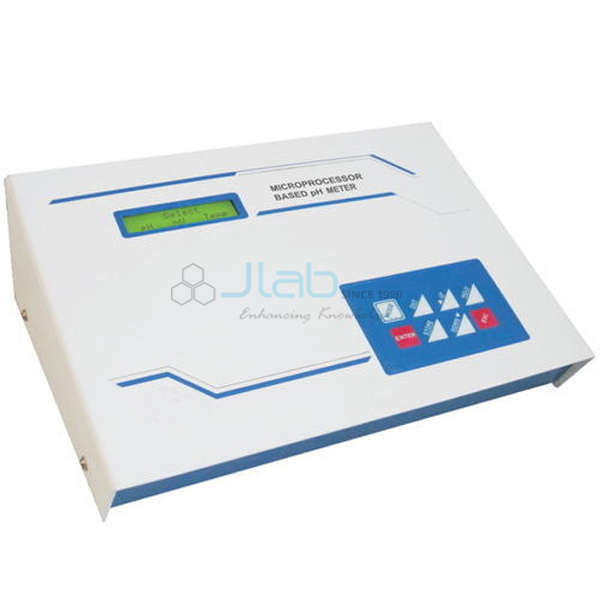
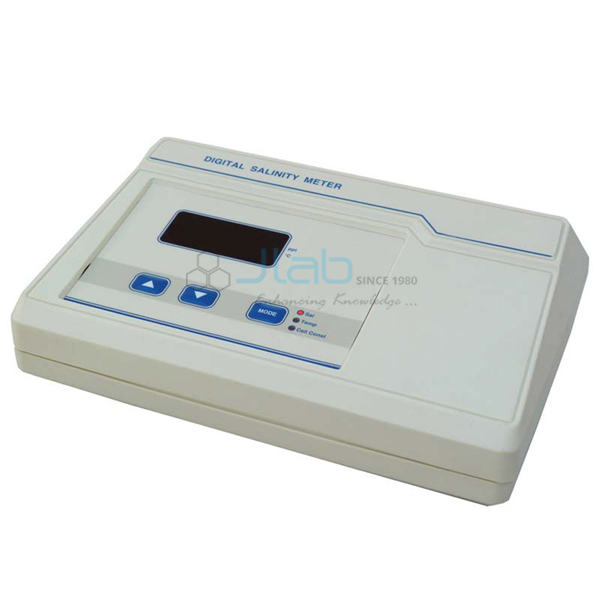
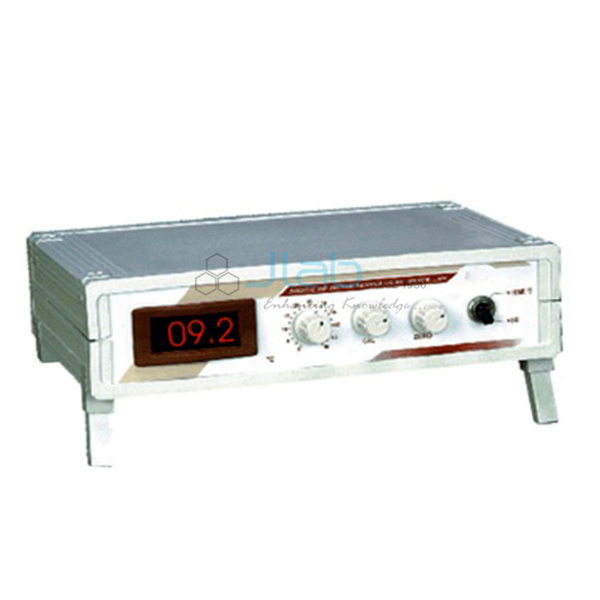
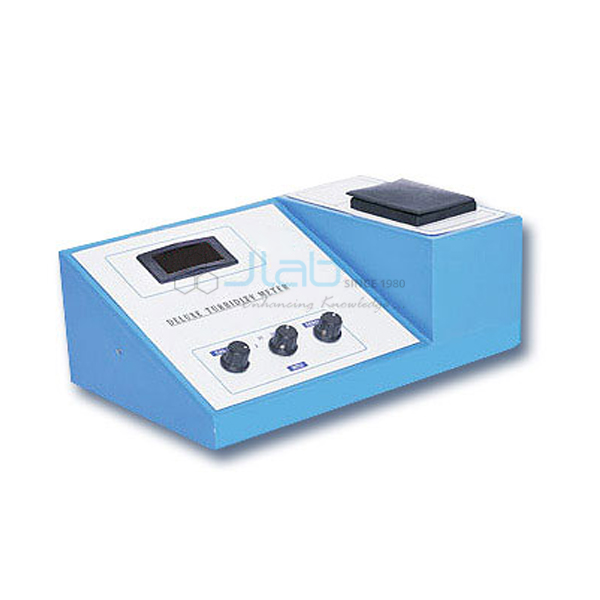
The listed range includes pH meters, conductivity meters, TDS meters, salinity meters, dissolved oxygen meters, turbidity meters and colony counters. Each instrument type addresses a different laboratory measurement or observation requirement. Buyers should therefore select equipment according to the parameter being tested, the intended application, the user environment and the required technical specification.
JLab Export accepts institutional, bulk and tender enquiries. Product-specific measuring ranges, configurations, included accessories and operating requirements are not supplied in the source data and should be requested before ordering. Customisation, documentation, installation assistance and training availability should also be confirmed for the selected model and destination.
How do you choose an electrochemistry instrument?
Choose an electrochemistry instrument according to the parameter that must be measured. Use a pH meter for pH-related measurement, a conductivity meter for conductivity, a TDS meter for total dissolved solids, a salinity meter for salinity, a dissolved oxygen meter for dissolved oxygen and a turbidity meter for turbidity.
After identifying the instrument type, compare the buyers complete specification with the proposed model. Confirm the required configuration, operating conditions, included components, documentation and intended user environment. Schools and TVET institutions may require equipment for supervised practical activities, while universities, research laboratories and industrial buyers may require a more detailed technical comparison.
The supplied pages do not provide model-level ranges, resolutions, accuracies or accessory lists. These specifications are available on request and should be documented in the quotation or technical datasheet before procurement.
Which electrochemistry instruments are available?
The JLab Export category lists seven product types: pH meters, conductivity meters, TDS meters, salinity meters, dissolved oxygen meters, turbidity meters and colony counters. No individual model specifications are provided in the supplied category information.
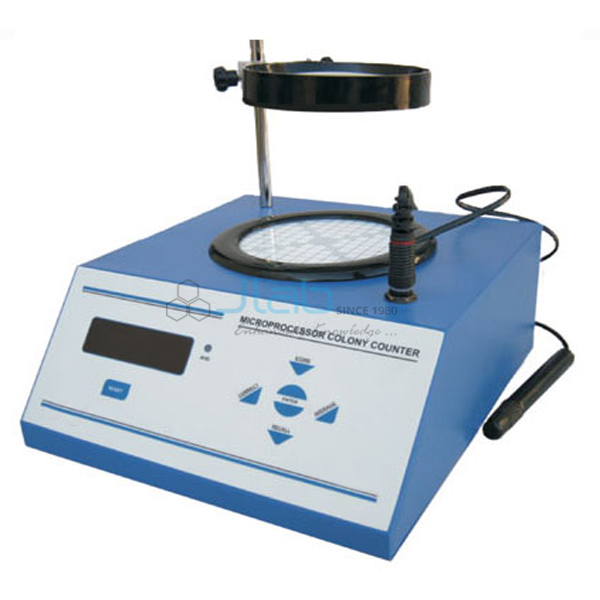
The first six groups represent defined measurement categories. Buyers can narrow their enquiry by stating the parameter to be measured, required quantity and intended application. A colony counter is also listed on the current Electrochemistry Instruments page, although its placement within this category requires confirmation.
The category page currently displays the product-type links but also states that there are no products in the category. The product grid should therefore be populated only with confirmed models that have approved product names, images and technical data.
How should schools and TVET institutions select these instruments?
Schools and TVET institutions should select electrochemistry instruments according to the planned laboratory activity, the parameter being studied and the level of supervision available. Product specifications should be matched to the actual practical requirement rather than selected only by product name.
The enquiry should identify whether the instrument will be used for demonstrations, student practical work, technical training or laboratory measurement. Buyers should also state the quantity required and whether supporting documentation, installation assistance or training is needed.
JLab Export states that its equipment can be customised for curricular, institutional or industrial requirements. It also states that packaging, documentation, installation assistance and training modules are provided with most equipment. These services should be confirmed for each selected instrument because the source does not state that every service is included with every model.
What should university, research and industrial buyers verify?
University, research and industrial buyers should verify the complete technical specification of each proposed instrument before placing an order. The supplied sources do not provide enough model-level data to compare measurement performance or compatibility.
A technical enquiry should state the required instrument type, intended measurement, application, quantity, destination and any mandatory documentation. Where procurement is based on a tender or bill of quantities, each requested specification should be compared line by line with the offered model.
Do not assume that specifications from one pH meter, conductivity meter or other instrument apply to every product in the same group. Request a model-specific technical datasheet and confirm the supplied configuration in writing. Where customisation is required, the final agreed specification should be included in the quotation or purchase documentation.
What information should be included in a bulk or tender enquiry?
A bulk or tender enquiry should include the bill of quantities, item descriptions, technical specifications, quantities, delivery destination and required documentation. This allows the manufacturer and exporter to identify the correct products and declare any differences between the requested and offered specifications.
JLab Exports tender page states that buyers can receive line-by-line BOQ quotations, technical datasheets, compliance documentation and export-grade packing. Its tender process also refers to itemised technical quotations with make, model and deviation information.
For electrochemistry instruments, tender buyers should separately identify every required meter type. Installation, training, inspection, documentation and packing requirements should be included in the original enquiry rather than assumed after quotation.
Electrochemistry Instrument Types
|
Type |
Key feature |
Typical use |
|
pH meter |
Instrument category for pH measurement |
pH-related laboratory measurement |
|
Conductivity meter |
Instrument category for conductivity measurement |
Conductivity-related laboratory work |
|
TDS meter |
Instrument category for total dissolved solids measurement |
TDS-related testing |
|
Salinity meter |
Instrument category for salinity measurement |
Salinity-related laboratory testing |
|
Dissolved oxygen meter |
Instrument category for dissolved oxygen measurement |
Dissolved-oxygen-related testing |
|
Turbidity meter |
Instrument category for turbidity measurement |
Turbidity-related laboratory testing |
|
Colony counter |
Listed as a product type on the current category page |
Laboratory colony-counting applications |
Electrochemistry Instrument Selection Criteria
|
Criterion |
What to check |
|
Measurement parameter |
Select the meter category that corresponds to the parameter being tested. |
|
Intended application |
State the experiment, test, demonstration or laboratory process for which the instrument is required. |
|
User environment |
Identify whether the equipment is for a school, university, TVET institution, research laboratory or industrial user. |
|
Technical specification |
Request the model-specific specification and compare it with every required parameter. |
|
Supplied configuration |
Confirm what equipment, components and accessories are included with the quoted model. |
|
Customisation |
State any curricular, institutional or industrial modification required. |
|
Documentation |
Confirm whether technical datasheets, manuals, compliance documents or tender papers are required. |
|
Installation and training |
Confirm whether assistance is available for the selected product and destination. |
|
Quantity and destination |
Provide the required quantity and delivery location when requesting a quotation. |
|
Certification scope |
Verify that each claimed certification or standard applies to the selected instrument. |
|
Tender compliance |
Request a line-by-line compliance and deviation statement where a BOQ is supplied. |
|
After-sales terms |
Confirm product-specific warranty, replacement and service terms before purchase. |
JLab Export Information and Enquiry Links
- View the complete product range
- Submit a tender or BOQ enquiry
- Learn about JLab Export
- Read frequently asked questions
- Contact JLab Export
- Visit the JLab Export homepage
Frequently Asked Questions
What products are included under Electrochemistry Instruments?
The current JLab Export category lists pH meters, conductivity meters, TDS meters, salinity meters, dissolved oxygen meters, turbidity meters and colony counters. Individual models, measuring ranges and detailed technical specifications are not supplied in the source data.
Who can use these electrochemistry instruments?
These instruments are intended for school, university, TVET, research and industrial users. The appropriate product should be selected according to the measurement parameter, laboratory application, technical requirement and experience level of the intended users.
Does JLab Export manufacture or distribute electrochemistry instruments?
JLab Export is identified in the supplied input as a manufacturer and exporter. This page therefore uses the business-role wording “manufactures and exports” and does not classify the business as only a distributor or retailer.
Are technical specifications available on the category page?
No complete model-level technical specifications are provided in the supplied category information. Buyers should request specifications for the selected model, including its configuration, included components and operating requirements, before comparing products or placing an order.
Can the instruments be customised?
JLab Export states that its equipment can be customised for curricular, institutional and industrial requirements. The requested modification and final configuration should be agreed in writing because the supplied source does not identify which customisation options apply to each electrochemistry instrument.
Does JLab Export support institutional and tender orders?
Yes. JLab Exports tender page states that buyers can submit bills of quantities and receive line-by-line quotations, technical datasheets, compliance documentation and export-grade packing information. Exact deliverables depend on the applicable tender and quotation.
How can a buyer request a quotation?
A buyer can submit an enquiry through the JLab Export contact or tender page. Include the instrument names, required specifications, quantities, delivery destination and documentation requirements so that a product-specific technical and commercial quotation can be prepared.
Request Electrochemistry Instrument Specifications
Send the required instrument list, technical specifications, quantities, intended application and delivery destination to JLab Export.