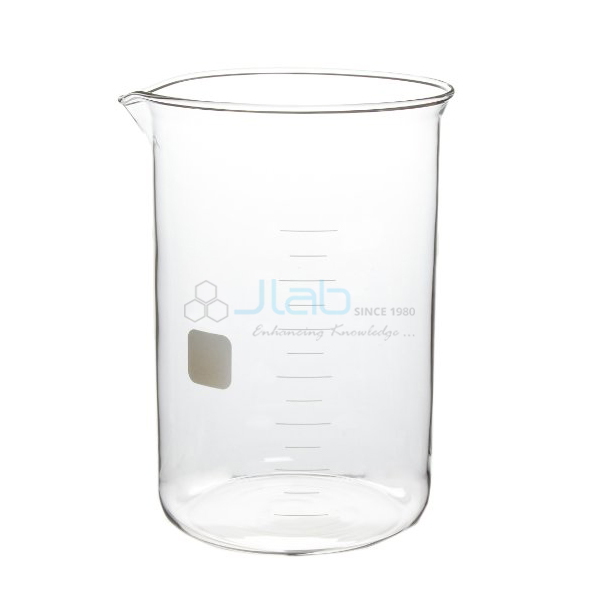
Lab Glassware Manufacturer, Suppliers and Exporter in India
Jlabexport is a leading Lab Glassware Manufacturer,and suppliers in India
Lab glassware comprises vessels, measuring ware, transfer components and glass assemblies used for laboratory preparation, observation, titration, quantitative analysis, distillation, separation and related procedures. Jlab Export is a Manufacturer & Exporter of lab glassware for schools, universities, TVET institutions, research laboratories and industrial users.
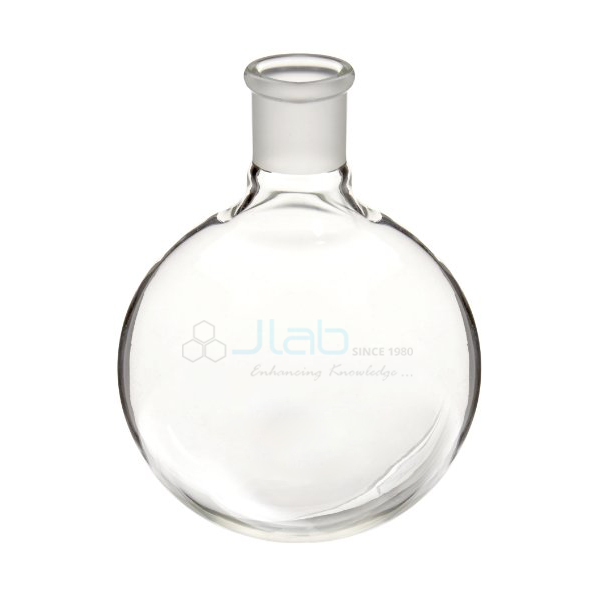
The category includes beakers, flasks, test tubes, pipettes, measuring cylinders, volumetric flasks, burettes, funnels, separating funnels, condensers, chromatography columns, specimen containers, staining jars, extractors, joints, stopcocks and related laboratory components. Buyers should select each item according to its intended procedure, required capacity, measuring function, connection type, material requirement and institutional specification.
Model-level capacities, tolerances, graduation intervals, joint sizes, dimensions and packing quantities are not provided in the supplied category data. These specifications should be confirmed through the current catalogue or formal quotation. Jlab Export states that it serves buyers across Asia, Africa, Europe, North America, South America and Oceania.
How do you choose lab glassware for a school or university laboratory?
Choose lab glassware by matching each item to the planned experiment, education level, required measurement accuracy and laboratory procedure. Schools, universities and TVET institutions should prepare an item-by-item requirement covering product type, capacity, quantity, graduation or calibration requirement, connection format and any necessary closures or accessories.
General-purpose vessels and precision volumetric items should not be treated as interchangeable. Pipettes, burettes, volumetric flasks and measuring cylinders may require defined calibration or tolerance requirements, while condensers, distillation components and jointed glassware require compatible connections.
The supplied category page does not provide current SKU-level specifications. Institutions should therefore request technical datasheets or catalogue extracts before finalizing a laboratory list. Jlab Export also states that buyers can arrange an online consultation to discuss equipment selection according to their level and budget.
What types of lab glassware are included in this category?
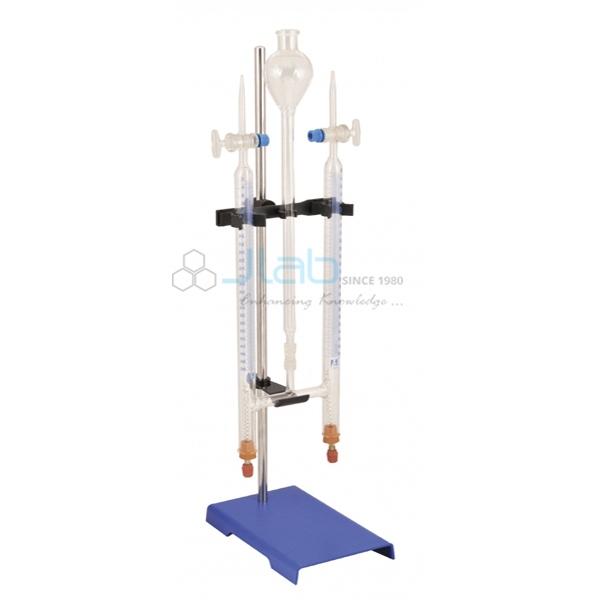
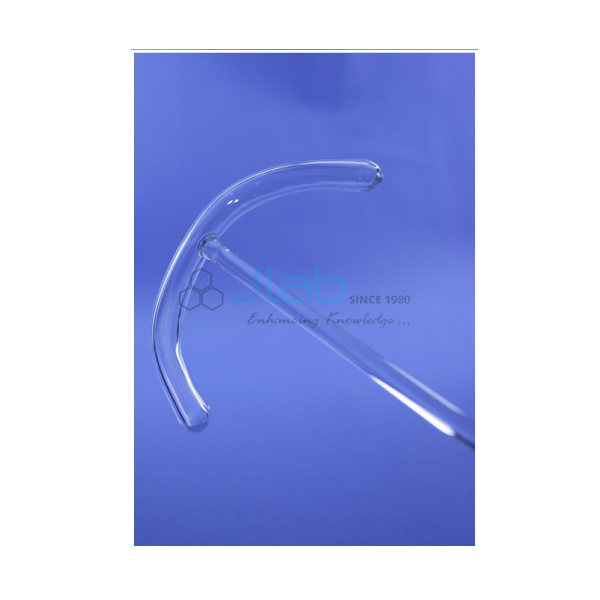
The category includes general-purpose glassware, volumetric ware, reaction vessels, separation components, distillation assemblies, specimen containers and connection accessories. Named subcategories include beakers, flasks, test tubes, pipettes, burettes, funnels, condensers, chromatography columns, extractors, staining jars, vials, joints, stopcocks and bends.
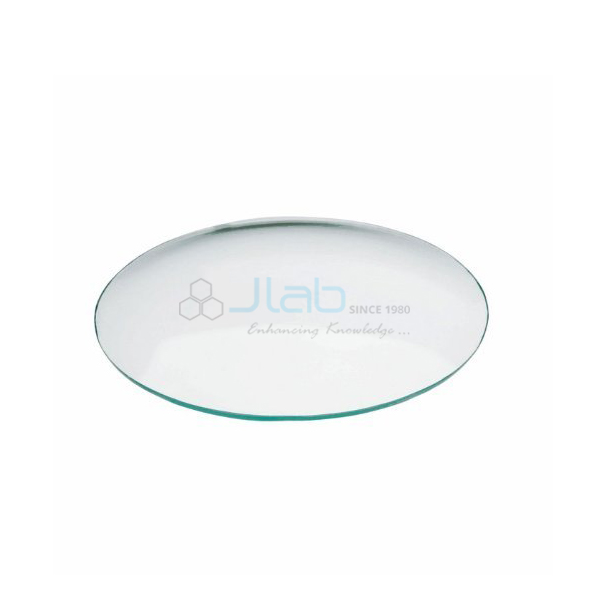
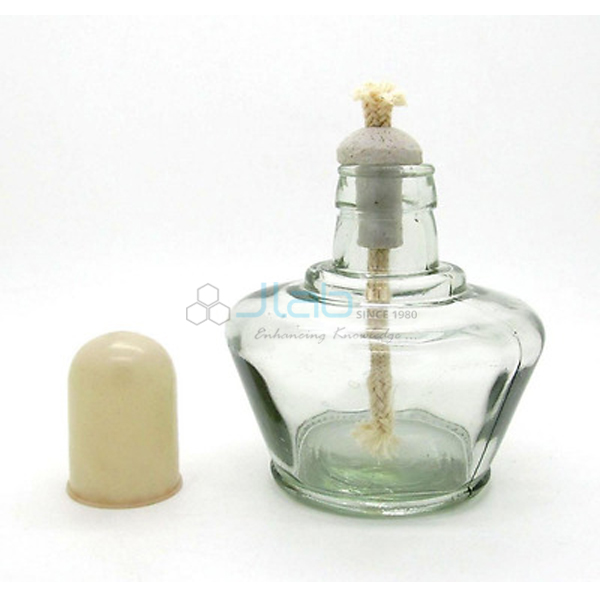
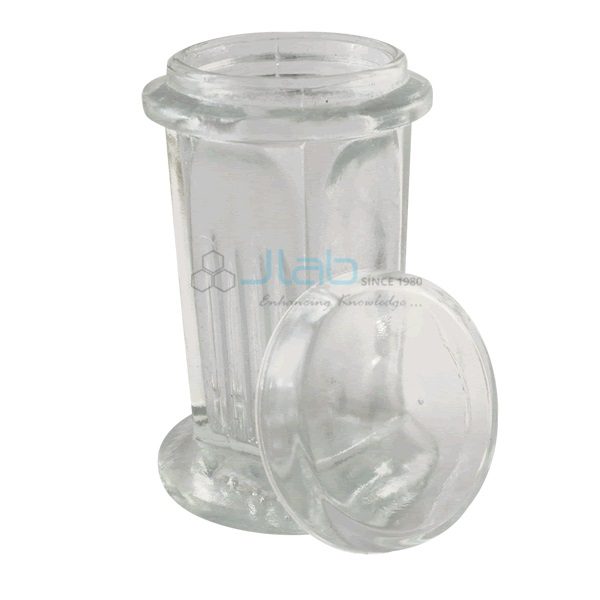
The current taxonomy also lists watch glasses, voltameters, stirrers, thermometer pockets, spirit burners, Coplin jars, screwthreads, discs, caps and stoppers. These names describe category groupings rather than confirmed active models.
Buyers should request the current product list because the live category page does not display individual product cards. Capacities, material types, graduations, joint sizes and included components must be verified for each quoted item rather than inferred from the subcategory name.
How should volumetric laboratory glassware be selected?
Volumetric glassware should be selected by checking the required capacity, graduation format, accuracy class, tolerance and intended quantitative procedure. Relevant categories on the Jlab Export page include pipettes, volumetric flasks, measuring cylinders and burettes.
The category page associates volumetric flasks and graduated pipettes with quantitative analysis. It also contains manufacturer-stated references to ISO 1042, ISO 648 Class A, NIST-traceable calibration and ISO 385 for burettes. These claims must be verified against current documents for the exact product before publication or procurement.
A buyer should request the model or catalogue number, nominal capacity, calibration class, tolerance, graduation interval and certificate availability. No numerical capacity, tolerance or graduation data is supplied at category level.
What should buyers check when selecting beakers, flasks and test tubes?
Buyers should check the vessel type, nominal capacity, material, thermal-use requirement, neck or rim design and compatibility with the intended procedure. Beakers, flasks and test tubes may serve different preparation, heating, reaction or containment functions and should be specified separately.
The category page refers to borosilicate beakers and Erlenmeyer flasks, as well as test tubes intended for laboratory reactions. It contains manufacturer-stated references to ISO 3819, ASTM E438 Type I Class A and ISO 4142. These references require product-level documentary verification.
The current page does not state individual capacities, wall thicknesses, dimensions, graduation details or pack quantities. Buyers should include these details in the enquiry and obtain the current technical offer before comparing products.
How do you select glassware for distillation and separation?
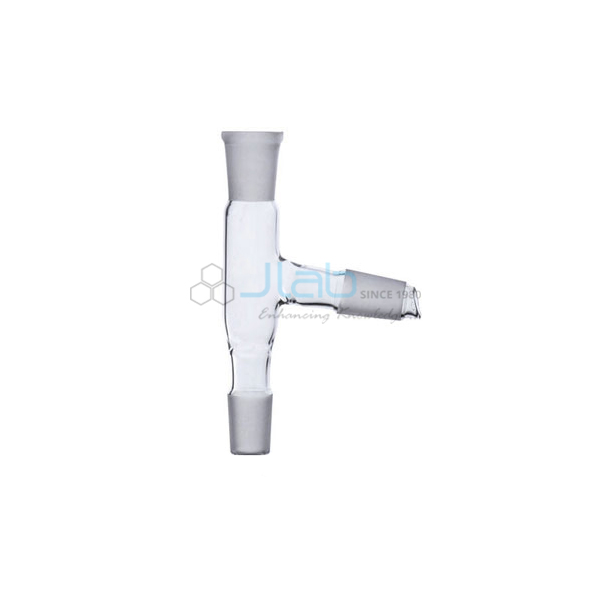
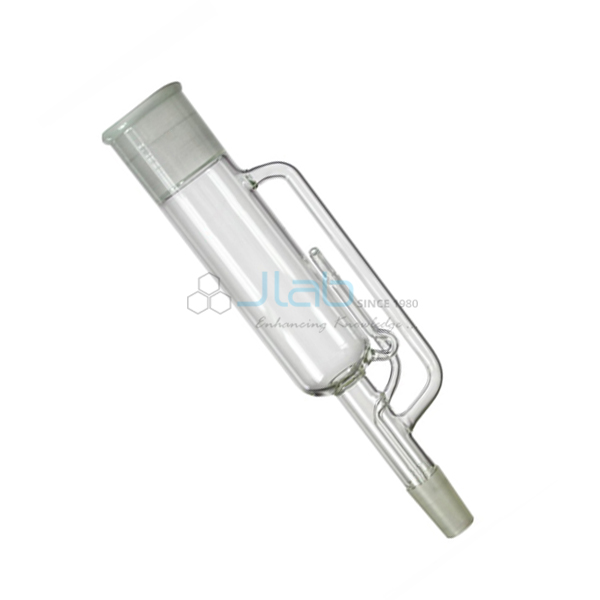
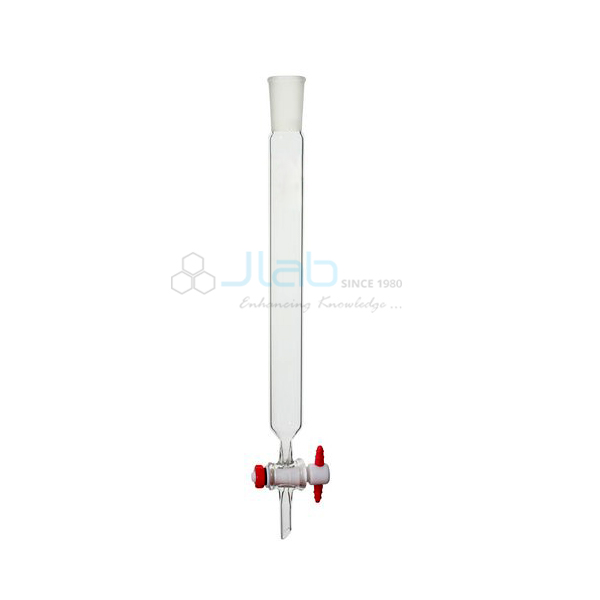
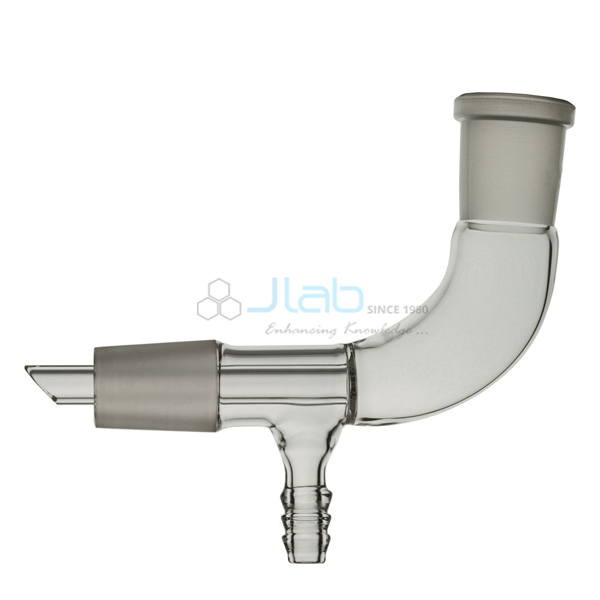
Select distillation and separation glassware by defining the required apparatus, connection format, receiving vessels, closures and complete assembly arrangement. The category includes condensers, distillation components, extractors, funnels, dropping or separating funnels, chromatography columns, bends, joints, stopcocks and related accessories.
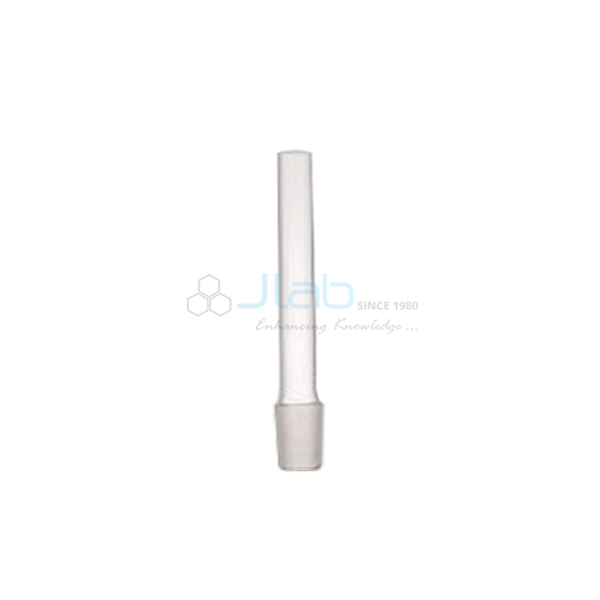
Compatible parts should be confirmed as a complete system. Buyers should not assume that condensers, adapters, flasks, stopcocks and ground-glass joints from different listings will connect without verifying the joint or screwthread specification.
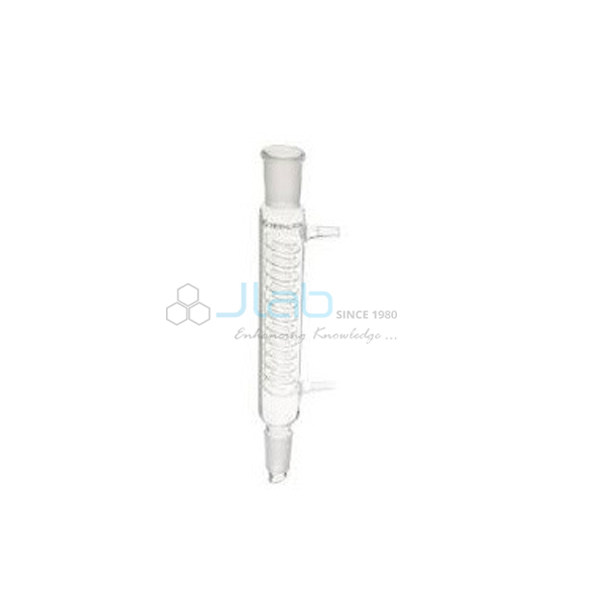
The category page names Liebig and Graham condensers and refers to interchangeable joints. It also contains manufacturer-stated references to CE Marking protocols and ISO 383. Exact condenser dimensions, jacket lengths, joint sizes, stopcock materials and assembly components are not supplied and remain available on request.
What glassware is relevant to specimen handling and staining?
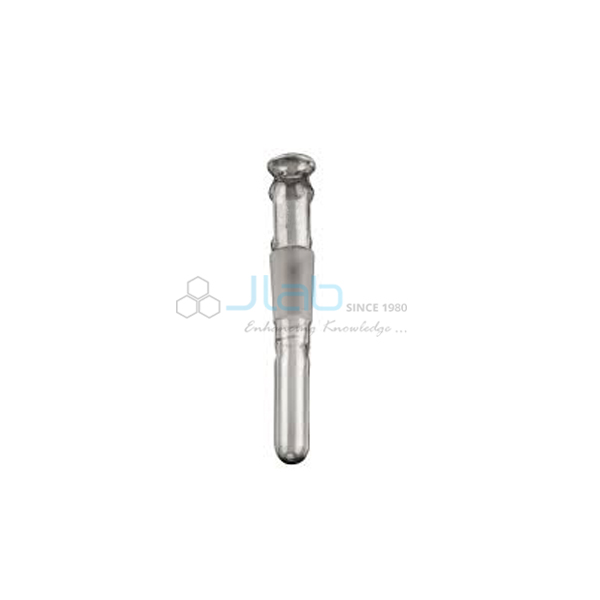
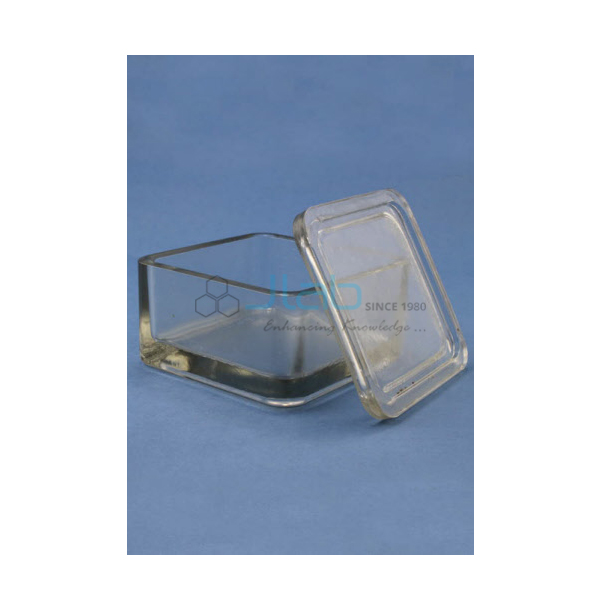
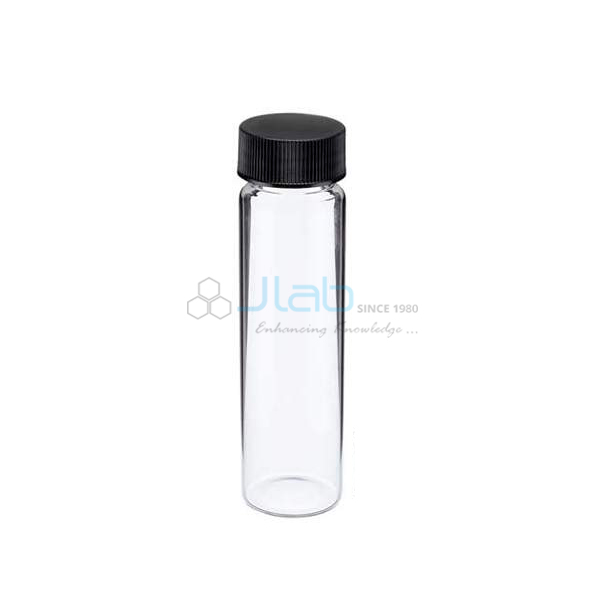
Specimen tubes, vials, staining jars and Coplin jars are the category groups identified for specimen containment and staining-related laboratory work. Buyers should specify the required container format, capacity, closure, quantity and compatibility with the intended laboratory procedure.
The category also lists screw caps, stoppers and stopcocks, which may form part of a complete container or apparatus specification. The supplied data does not identify material grades, cap materials, leak-resistance characteristics, rack compatibility or pack sizes.
Schools, universities, research laboratories and industrial buyers should request a current catalogue extract for the required container. Where the item forms part of a standardized laboratory procedure, the complete procedural specification should be supplied with the enquiry rather than relying only on the general category name.
What should research and industrial laboratories confirm before ordering?
Research and industrial laboratories should confirm material suitability, measurement requirements, thermal conditions, chemical exposure and apparatus compatibility before ordering lab glassware. The required product description should include capacity, configuration, graduation, tolerance, connection details, closure type and quantity.
The category page contains broad claims regarding chemical durability, thermal stability, calibration, joint compatibility and residual-strain testing. These statements are not accompanied by item-level reports in the supplied data and should not be applied automatically to every product.
Where a laboratory requires calibrated volumetric ware, certified materials or testing documentation, the buyer should request evidence for the exact quoted item. Specifications are available on request where they are not published on the category page.
What should be included in a lab glassware tender enquiry?
A lab glassware tender enquiry should include the complete BOQ, item descriptions, capacities, quantities, tolerances, joint specifications, pack requirements, delivery destination and mandatory documents. Jlab Export states that it provides line-by-line quotations, technical datasheets, compliance or deviation statements and manufacturer-side tender documentation.
The BOQ should distinguish general-purpose glassware from calibrated volumetric items. It should also identify any required standards, certificates, markings, closures, stopcock materials or interchangeable joints.
For export or multi-institution orders, buyers should state the required carton marking and packing arrangement. The tender page says that quotations can include catalogue extracts, certificate copies for buyer verification, packing lists, HS codes, certificates of origin and inspection documentation, as applicable to the tender.
Lab Glassware Types
|
Type |
Key feature stated or identified |
Typical use |
|
Beakers and flasks |
General-purpose vessel categories; borosilicate variants are referenced |
Preparation, containment and general laboratory procedures |
|
Pipettes, volumetric flasks and measuring cylinders |
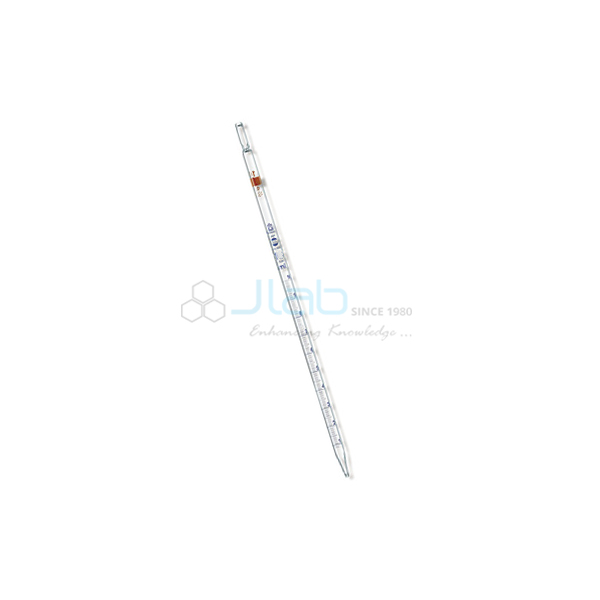
Volumetric measuring categories |
Quantitative measurement and analysis |
|
Burettes |
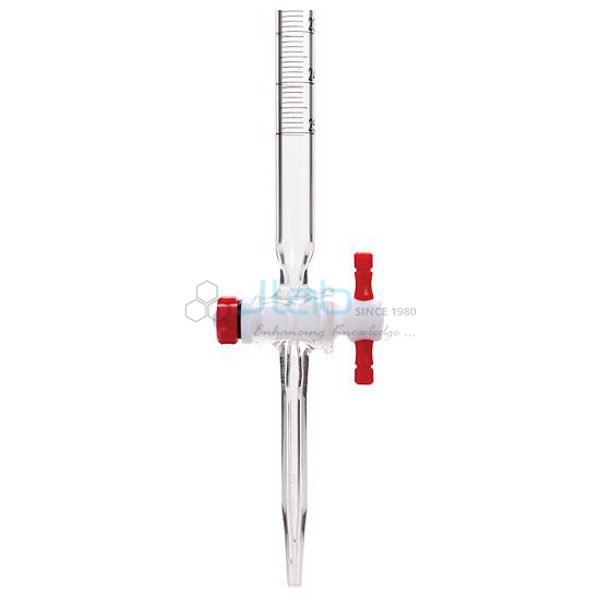
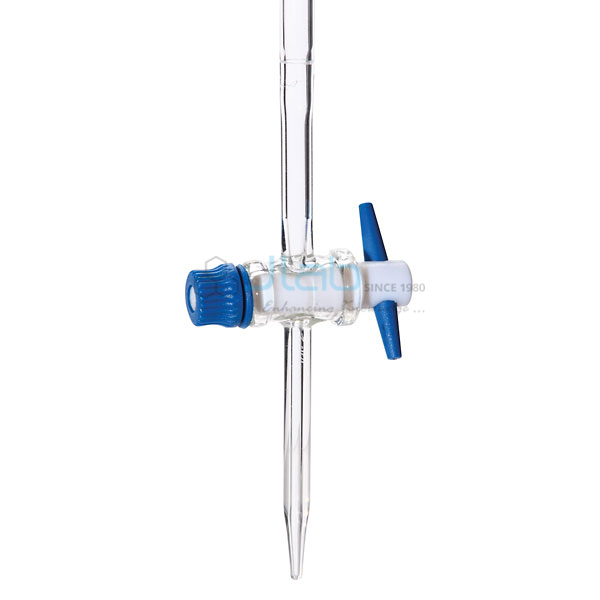
Burettes with PTFE stopcocks are referenced |
Titration procedures |
|
Test tubes and thermometer pockets |
Reaction tubes and thermometer-related glassware |
Laboratory reactions and temperature-related setups |
|
Funnels |
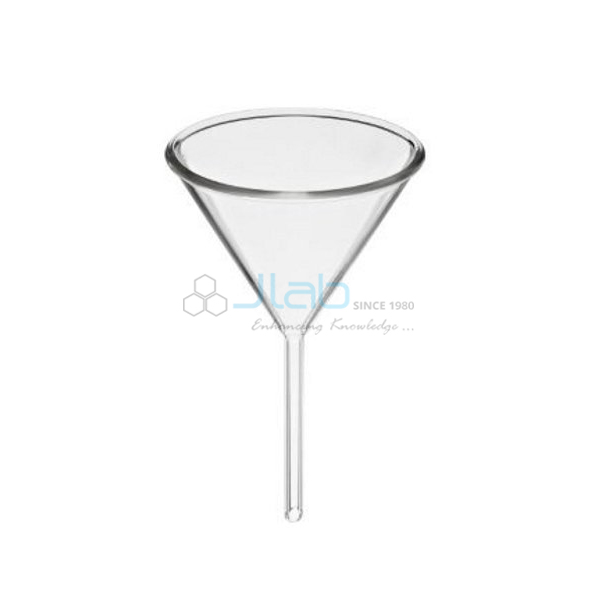
General laboratory funnel category |
Liquid or material transfer |
|
Dropping and separating funnels |
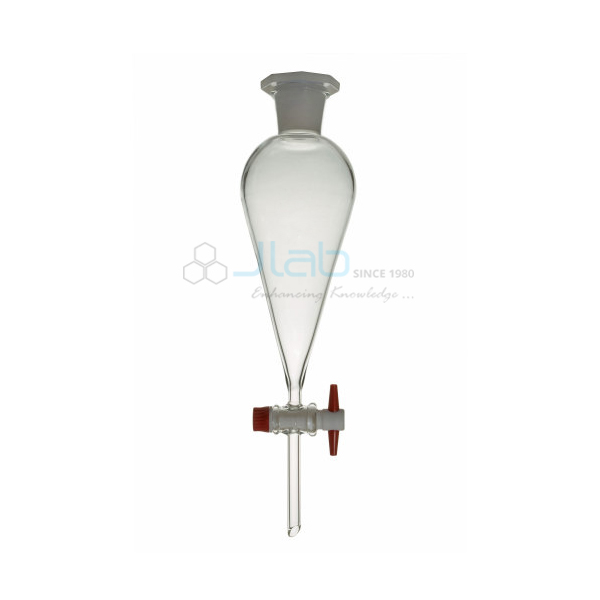
Controlled-addition and separation configurations |
Addition and separation procedures |
|
Condensers and distillation assemblies |
Liebig and Graham condensers are referenced |
Distillation assemblies |
|
Chromatography columns |
Column glassware category |
Chromatography procedures |
|
Extractors |
Extraction-apparatus category |
Laboratory extraction procedures |
|
Specimen tubes and vials |
Sample-container category |
Specimen and sample containment |
|
Staining jars and Coplin jars |
Staining-container categories |
Laboratory staining procedures |
|
Joints, screwthreads, discs and bends |
Connection and assembly components |
Constructing compatible glass assemblies |
|
Caps, stoppers and stopcocks |
Closure and flow-control components |
Closing vessels and controlling flow |
|
Watch glasses, spirit burners and stirrers |
Additional laboratory categories |
General laboratory use according to item specification |
|
Voltameter |
Listed as a lab glassware subcategory; configuration is not stated |
Application and specifications available on request |
The table reflects the names and descriptions shown in the supplied category content. It does not confirm current inventory, dimensions or individual product specifications.
Lab Glassware Selection Criteria
|
Criterion |
What to check |
|
Laboratory procedure |
Identify whether the item is for measurement, titration, reaction, distillation, separation, chromatography, extraction, staining or specimen handling. |
|
Product type |
Specify the exact vessel, measuring item, assembly component or closure required. |
|
Capacity |
State the required nominal volume for each item. |
|
Graduation and tolerance |
Confirm graduation interval, calibration class and permissible tolerance where measurement is required. |
|
Material |
Request the exact glass composition or material specification for the quoted item. |
|
Thermal and chemical use |
State the operating conditions and substances involved so suitability can be checked. |
|
Connection format |
Confirm ground-joint, screwthread, bend, adapter or other connection requirements. |
|
Closures and stopcocks |
Specify cap, stopper or stopcock configuration and material where required. |
|
Apparatus compatibility |
Check that flasks, condensers, adapters, receiving vessels and joints form a compatible assembly. |
|
Pack quantity |
Confirm the number of pieces per pack and total quantity. |
|
Standards and certificates |
Request current evidence for every manufacturer-stated standard required by the buyer. |
|
Tender documentation |
Ask for datasheets, catalogue extracts and a line-by-line compliance or deviation statement. |
|
Export packing |
State destination, carton-marking requirements and institution-wise packing needs. |
Related Jlab Export Pages
- Browse the Product Catalogue
- About Jlab Export
- Laboratory and TVET Tender Enquiries
- Frequently Asked Questions
- Contact Jlab Export
- Jlab Export Homepage
Frequently Asked Questions
What is lab glassware?
Lab glassware is a category of laboratory vessels, measuring ware, transfer components, containers and assemblies used for preparation, measurement, titration, reactions, distillation, separation, chromatography, staining and specimen handling. The exact material, capacity, tolerance and configuration depend on the selected item.
What types of lab glassware does Jlab Export list?
Jlab Export lists beakers, flasks, test tubes, pipettes, measuring cylinders, volumetric flasks, burettes, funnels, separating funnels, condensers, chromatography columns, extractors, specimen tubes, vials, staining jars, Coplin jars, joints, stoppers, stopcocks, bends and other laboratory categories.
Does the category provide individual capacities and dimensions?
No, the supplied category page does not provide SKU-level capacities, dimensions, tolerances, graduation intervals, joint sizes or pack quantities. Buyers should request a current catalogue or technical quotation containing the specifications for each required item before placing an order.
Does Jlab Export list volumetric laboratory glassware?
Yes, the category lists pipettes, volumetric flasks, measuring cylinders and burettes. The page contains manufacturer-stated calibration and standards references, but the capacity, tolerance and accuracy class of each active item must be confirmed from its current datasheet.
Is glassware available for distillation and separation?
Yes, the category lists condensers, distillation components, extractors, funnels, dropping and separating funnels, chromatography columns, bends and connection components. Buyers should confirm joint compatibility, assembly contents, dimensions and closures because those details are not provided at category level.
Can schools and universities request help selecting glassware?
Yes, Jlab Export states that buyers can arrange an online consultation to select equipment according to their education level and budget. Institutions should provide the experiment list, required quantities and available technical specification so that suitable catalogue items can be identified.
Can Jlab Export quote lab glassware for institutional tenders?
Yes, Jlab Export states that it provides line-by-line BOQ quotations, technical datasheets, compliance documentation and export packing for institutional and tender orders. The buyer should submit capacities, quantities, standards, pack requirements and destination details with the tender schedule.
Request a Quote for Lab Glassware
Send the required glassware types, capacities, quantities, graduation or tolerance requirements, joint sizes, closures, pack quantities and delivery destination. For institutional and tender orders, attach the complete BOQ and identify all mandatory standards and documents.
Request a Lab Glassware Quote
Submit a Tender or Bulk Enquiry
Request the Current Catalogue