Metal Plate Aluminum Manufacturer,Supplier and Exporter in India
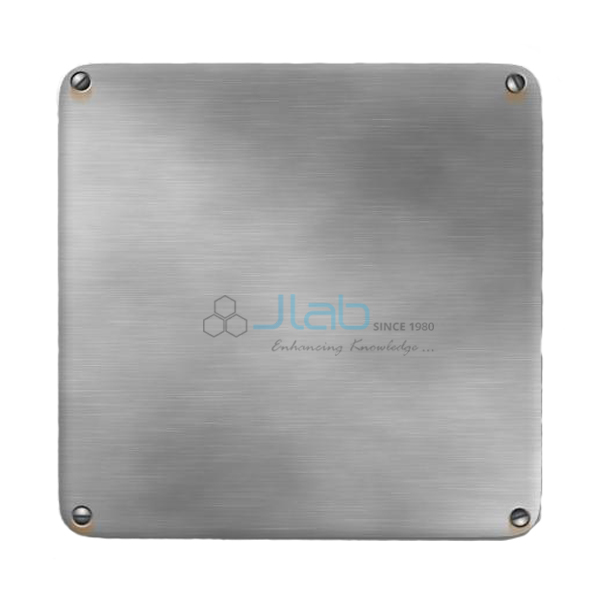
Product Code : EL-LS-4872
Jlab Export is a leading Metal Plate Aluminum Manufacturer,and suppliers in India
Aluminium is a light, silvery metal that conducts heat and electricity well and is not attracted by a magnet. This single plate is cut from aluminium and has a finished surface, for measurement and materials practicals in school and college physics.
Specifications
| Material | Aluminium |
| Surface | Finished, cut to dimension |
| Minimum order quantity | 10 units |
| Dispatch time | Usually 4–6 working days |
| Manufacturer | JLab (Jain Laboratory Instruments Pvt Ltd), Ambala, India |
Measurement Practicals with an Aluminium Plate
A classic exercise is to find the density of the metal. Students measure the length and width with a Vernier Caliper, the thickness at several points with a Screw Gauge and the mass on a Physical Balance (Digital). They then work out the volume and density and compare the result with the textbook value for aluminium.
The plate also joins the conduction tests run with the Metal Plate set. With a wax bead on each plate and one corner warmed, students see how aluminium compares with copper, iron and zinc. A magnet held near it shows that aluminium is not attracted.
Frequently Asked Questions
How should aluminium plates be stored so they keep their finish?
Store them flat and dry, away from damp walls, salts and acid fumes. Moisture trapped between stacked plates can leave white or dark spots. Handle them with clean, dry hands or gloves, because sweat leaves marks that are hard to remove.
What should we inspect when the plates arrive?
Look over each plate for scratches, dents and stains, and lay it on a flat bench to see that it does not rock or bow. Check the packing too: plates should be separated so that they do not rub against each other in transit.
How do I get a good thickness reading with the screw gauge?
Check the zero error first with the jaws closed. Turn the ratchet until it clicks instead of tightening the thimble by hand, and measure at several points across the plate. Average the readings, then correct the result for the zero error.
Why does my density result differ from the textbook value?
Small errors in thickness matter most, because the plate is thin compared with its length and width. Zero errors in the caliper or gauge, a balance not set to zero and reading the scales at an angle also add up. Repeat each measurement and use the averages.
Other Measuring and Magnet Apparatus
For a quote, use Add To Cart or send us a message through the contact page.
Last updated: 16 November 2026