Solar System Model Astronomy Manufacturer,Supplier and Exporter in India
Product Code : EL-AE-7207
Jlab Export is a leading Solar System Model Astronomy Manufacturer,and suppliers in India
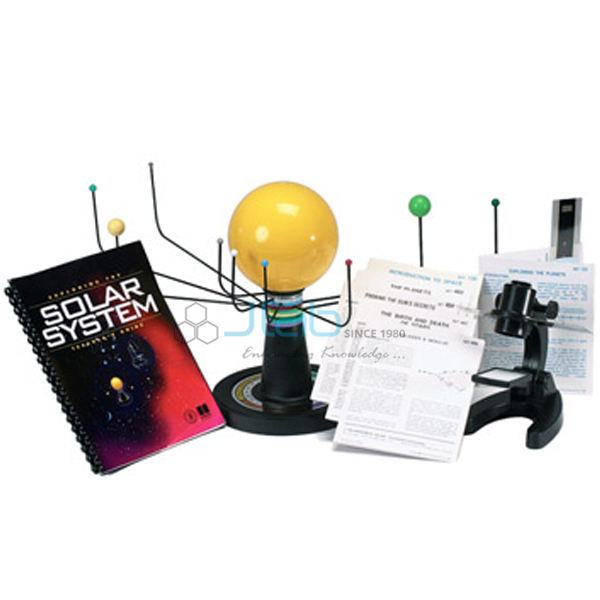
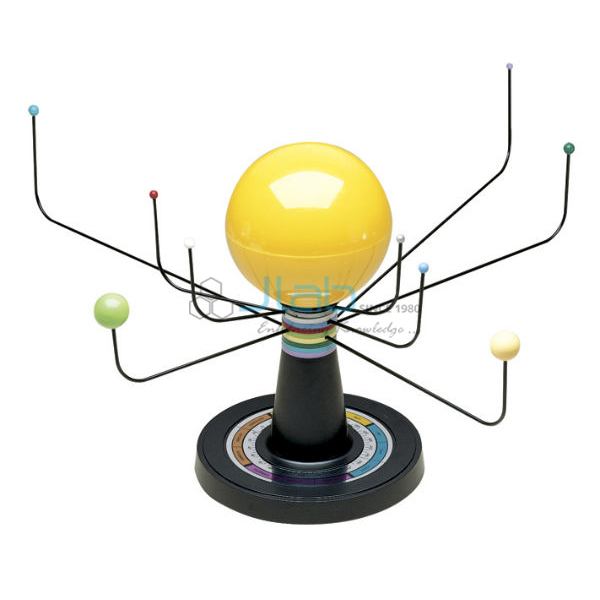
Solar System Model Astronomy is a classroom model whose calendar base lets each planet be set to its position for a chosen date. Eight painted, moulded planet spheres sit on hand-adjusted arms around a central Sun, above a dated calendar base about 300 mm across. It shows where the planets stand relative to one another and to the Sun, so students see the solar system in action. The orbits and planet sizes are schematic, not to scale, so the teacher’s notes give actual sizes and distances. The model is unpowered, with no motor, lamp or batteries. A lesson plan on orbit and speed comes with it. For a simulation focused on planet sizes, see Solar System Model (Planet Size Simulation).
Specifications
| Model type | Solar system model with a calendar base |
| Base | Dated calendar base, about 300 mm across, for setting each planet according to date |
| Planets | Eight painted, moulded spheres on manually adjustable arms, around a central Sun |
| Pluto | Where included, shown separately as a dwarf planet |
| Shows | The relative positions of the planets and the Sun |
| Scale | Not to scale; orbits and planet sizes are schematic |
| Power | None; unpowered, with no motor, lamp or batteries |
| Teaching material | Teacher’s notes with actual sizes and distances; lesson plan on orbit and speed |
| Pack quantity | Each (sold individually) |
| Minimum order quantity | 10 units |
| Dispatch time | Usually 4–6 working days |
| Manufacturer | JLab (Jain Laboratory Instruments Pvt Ltd), Ambala, India |
How Long Each Planet Takes to Orbit
| Planet | Time for one orbit of the Sun |
|---|---|
| Mercury | About 88 days |
| Venus | About 225 days |
| Earth | About 365 days |
| Mars | About 687 days |
| Jupiter | About 12 years |
| Saturn | About 29 years |
| Uranus | About 84 years |
| Neptune | About 165 years |
Set the planets for today, then for a date three months later. Mercury will have gone about once round the Sun, while Neptune will barely have moved.
Teaching with the Calendar Base
Start with the planets set for a date students know, such as their own birthday this year. Each arm swings by hand to its date on the calendar base. Ask which planets moved furthest by the next date, then let the lesson plan explain why. Read the real sizes and distances from the teacher’s notes as you go, and ask why a true-scale model would not fit in the room.
Frequently Asked Questions
What teaching material comes with the model?
Teacher’s notes and a lesson plan come with it. The notes give the actual sizes and distances of the planets, and the lesson plan explains orbits and orbital speed.
Which JLab model suits a lesson on orbits rather than planet sizes?
This calendar-base model suits orbit and speed lessons, because the planets can be moved to their places for different dates. The Solar System Model (Planet Size Simulation) is aimed at comparing the sizes of the planets.
How should the model be looked after?
Move the arms gently by hand when changing the date, and never force a stiff arm. Keep the base clean and dry so the calendar markings stay readable. Store the model covered on a shelf where it cannot be knocked.
Why do inner planets orbit the Sun faster than outer planets?
The Sun’s gravity is stronger close in, so an inner planet must move faster to stay in orbit. Outer planets also travel much longer paths. Together these make their years far longer, which is why Neptune takes about 165 years to go round once.
Which body takes about 248 years to orbit the Sun?
That is Pluto, which is a dwarf planet, not a planet. Of the eight planets, Neptune has the longest orbit at about 165 years. Pluto’s orbit is tilted and stretched, so for part of each orbit it comes closer to the Sun than Neptune. Where this model includes Pluto, it is marked separately as a dwarf planet.
Other Astronomy Models
- Solar System Model (Planet Size Simulation)
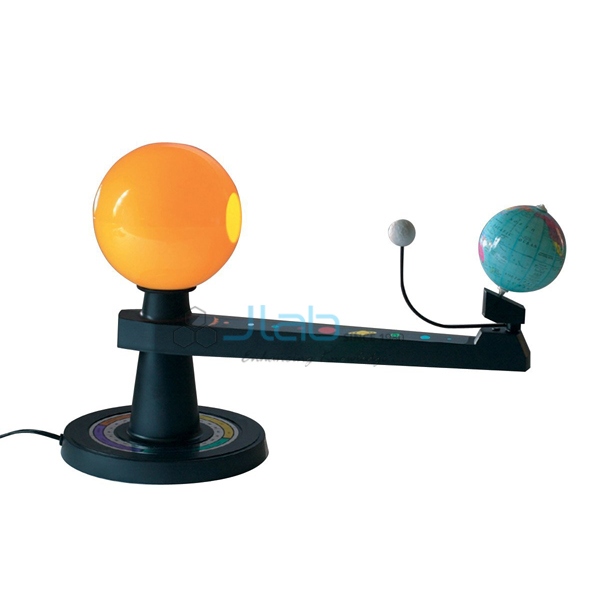
- Orbiter Astronomy (hand-turned Sun, Earth and Moon model for day, night and seasons)
- Project Planetarium (student set for eclipses, Moon phases and planet positions)
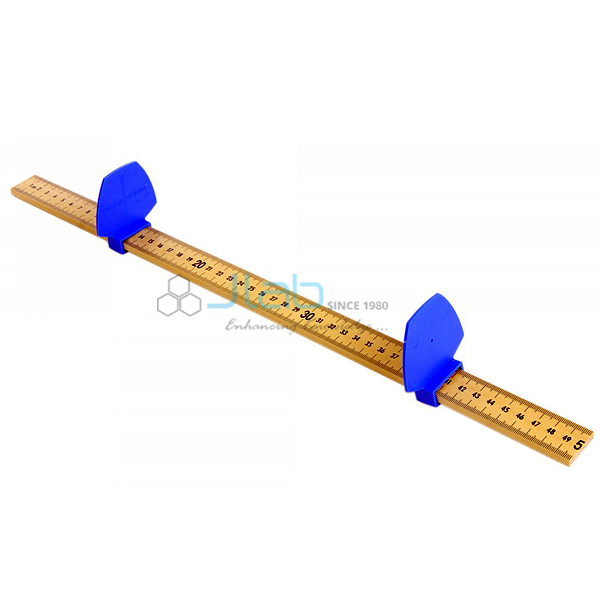
- Sun Scale Kit (measures the Sun’s diameter and its distance from Earth)
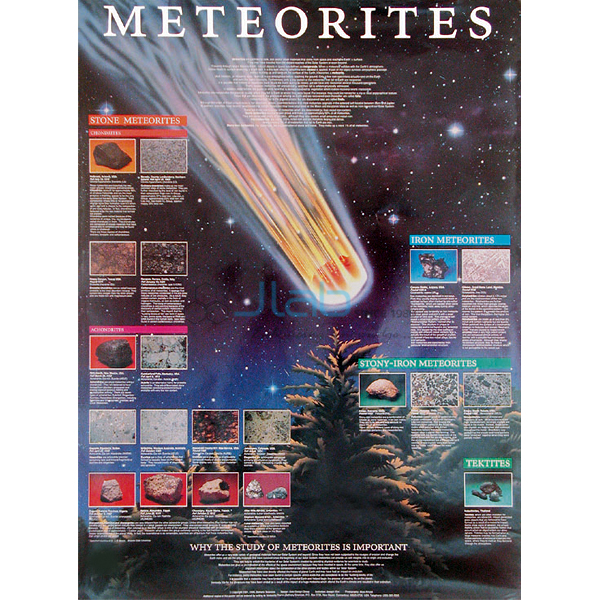
- Solar System Planet Poster
For a quote, use Add To Cart or send us a message through the contact page.
Last updated: 28 November 2026