Electrode Rods Manufacturer,Supplier and Exporter in India
Product Code : EL-SLE-4544
Jlab Export is a leading Electrode Rods Manufacturer,and suppliers in India
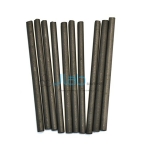
Electrode Rods (code EL-SLE-4544) are 6 in (about 152 mm) rods of carbon, copper, lead or zinc, each fitted with a terminal that carries the supply into the experiment. They are made for electrochemical work — electrolysis, simple cells and conductivity tests — in school, college and teaching laboratories, where a rod fits easily into a test tube, U-tube or beaker. They are made by Jain Laboratory Instruments Pvt Ltd (JLab) at its works in Ambala, India.
Specifications
| Parameter | Detail |
|---|---|
| Length | 6 in (about 152 mm) |
| Materials available | Carbon, copper, lead, zinc |
| Terminal | Fitted to each rod, for connecting the supply |
| Versions | Electrode rod 6 in with terminal — carbon; — copper; — lead; — zinc |
| Made for | Electrochemical experiments |
| Quality check | Each rod is visually inspected before dispatch |
| Pack quantity | Each (sold individually) |
| Minimum order quantity | 10 units |
| Dispatch time | Usually 7–10 working days |
| Product code | EL-SLE-4544 |
| Manufacturer | Jain Laboratory Instruments Pvt Ltd (JLab) — OEM |
| Country of origin | India (made in Ambala, Haryana) |
What Are Electrode Rods Used For?
The four materials cover the standard electrochemistry practicals. Carbon rods are inert, so they are used to electrolyse acidified water, salt solutions or copper sulphate without the electrode itself reacting — set in a U-tube or under inverted test tubes, they let students collect and compare the gases. Copper rods in copper sulphate solution show metal leaving the anode and plating onto the cathode. A copper and a zinc rod dipped in dilute acid form a simple cell, and two lead rods in dilute sulphuric acid model the lead-acid accumulator. A pair of rods wired to a bulb or meter also makes a quick tester for which liquids conduct electricity. The work spans the class 8 chapter on chemical effects of electric current, electrolysis of water in class 10 and class 12 electrochemistry, and the rods are equally at home in college teaching labs — simple electrochemistry instruments that any school lab can stock.
Keep the terminals and connections above the liquid, and use a low-voltage DC supply. Electrolysing salt solution releases chlorine at the anode, so run that experiment in a well-ventilated room with small currents. Rub copper, zinc and lead rods with fine abrasive paper before use, rinse and dry them afterwards, and store them dry. Lead is toxic — students should wear gloves when handling lead rods and wash their hands afterwards — and carbon rods are brittle, so tighten their terminals gently.
What to Specify When Ordering
- How many rods of each material — carbon, copper, lead or zinc (two of the same for most electrolysis set-ups, two different metals for a cell).
- Total quantity — the minimum order is 10 units.
- Anything that goes with them — leads, a DC supply, an electrolysis apparatus or flat electrode plates.
Frequently Asked Questions
How long are the electrode rods, and what is their diameter?
They are 6 in long, about 152 mm. The diameter is not stated in the listing, so ask JLab if your stopper or holder needs a particular size.
Which rod material should I choose?
Carbon for general electrolysis, because it does not react; copper for copper-plating and refining demonstrations; zinc with copper for a simple cell; lead for the lead-acid cell demonstration.
Should I buy rods or the electrode plates?
Rods fit narrow vessels such as test tubes and U-tubes. JLab’s electrode plates are flat, 75 x 25 mm with 4 mm terminals, in the same four materials, and give a wider face for plating and cell experiments in beakers.
Are connecting leads and a power supply included?
No. Each rod comes with its fitted terminal only; leads, a battery eliminator and vessels are separate items you can add to the enquiry.
Who manufactures the rods?
They are manufactured by JLab (Jain Laboratory Instruments Pvt Ltd) at its works in Ambala, Haryana, India.
OEM Manufacturer
Behind the JLab name is Jain Laboratory Instruments Pvt Ltd, a science laboratory equipment manufacturer in India incorporated in 2017, with its base on Hargolal Road, Ambala, Haryana. These rods are produced in its own works rather than sourced from a trader, so schools, colleges, dealers and importers buy directly from the maker; each rod is visually inspected before dispatch, and reorders are handled by the same team. The company is registered for GST as GSTIN 06AADCJ9848D1ZE and holds Legal Entity Identifier 549300DTGS77DGYD6N03. JLab exports worldwide and can deliver to buyers in every region — Canada in North America, Uganda in East Africa, Uzbekistan in Central Asia, Bolivia in South America and Panama in Central America and the Caribbean, to name a few. Tender buyers can refer to the JLab lab tenders page.
Related Electrochemistry Items
- Electrode Plates — flat plates in carbon, copper, lead and zinc with fitted terminals.
- Electrolysis Apparatus — a container with mounted carbon electrodes and graduated test tubes for collecting gases.
- Simple Cell — zinc and copper plates in a glass jar, ready to use as a cell.
- Battery Eliminator (0-12 Volts) — a low-voltage DC source for electrolysis.
- Connecting Leads — leads with connectors to join the rods to the supply.
More apparatus is listed in the School Lab Equipment range.
Request a Quote
Quotes come direct from the manufacturer. Use the Add To Cart enquiry button on this page, or send how many rods of each material you need (minimum 10 units in total), any accessories and your delivery location through the contact page.
Last updated: 4 October 2026