Knurling Tool Holder Manufacturer,Supplier and Exporter in India
Product Code : EL-MMTM-8942
Jlab Export is a leading Knurling Tool Holder Manufacturer,and suppliers in India
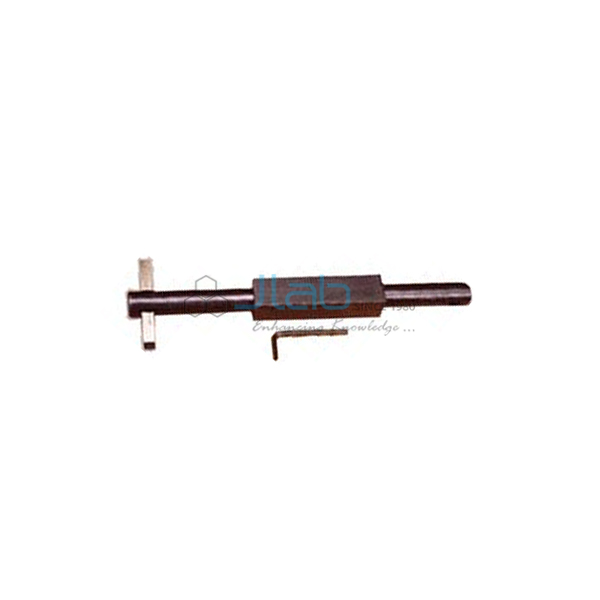
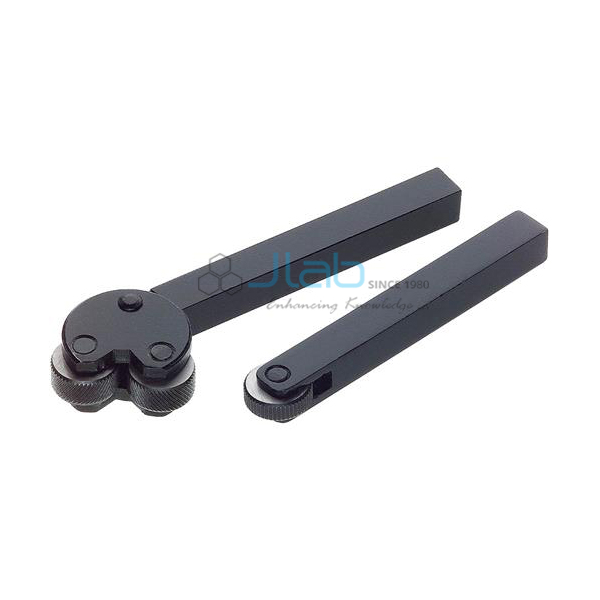
Knurling rolls a raised grip pattern into turned work, and this holder carries the wheels that do it on the lathe. Its revolving head holds six high-speed steel knurls in three pairs, fine, medium and coarse. One tool therefore covers small thumb screws, tool handles and larger knobs.
Specifications
| Tool type | Revolving-head knurling tool holder, bump type |
| Knurls | Six, in three pairs: fine, medium and coarse |
| Knurl material | High-speed steel |
| Pattern | Diamond, from a left-hand and a right-hand diagonal wheel in each pair |
| Head | Turns on a central pivot to bring the chosen pair to the work |
| Mounting | Square shank held in the lathe tool post |
| Minimum order quantity | 10 units |
| Dispatch time | Usually 4–6 working days |
| Manufacturer | JLab (Jain Laboratory Instruments Pvt Ltd), Ambala, India |
Workshop Exercises on the Centre Lathe
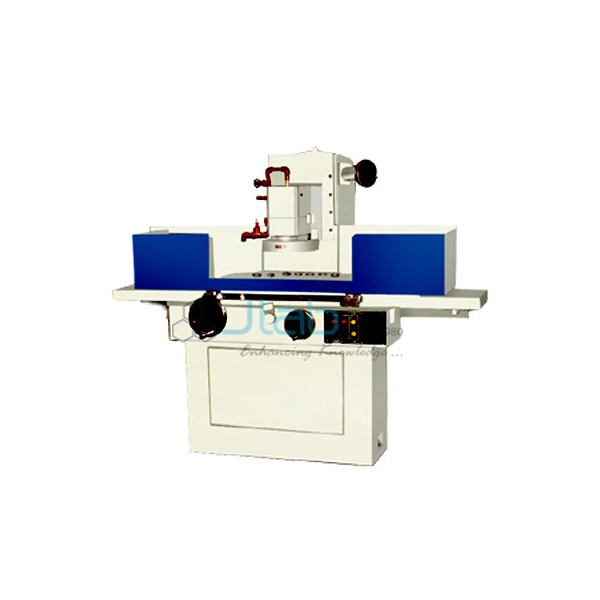
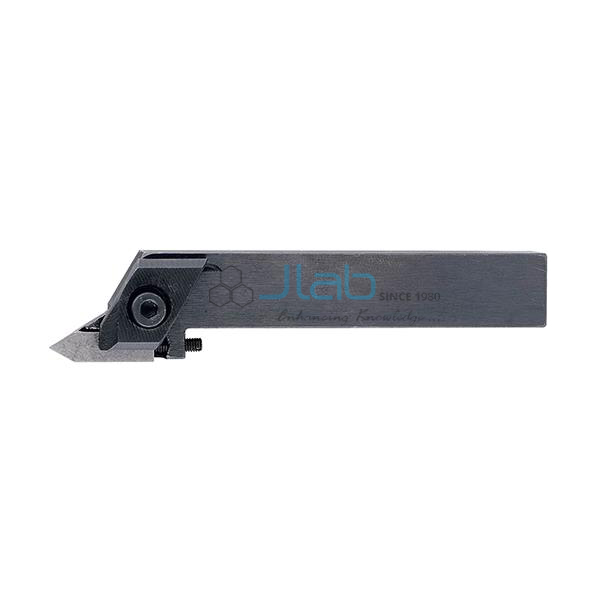
A common turner exercise is a knurled centre punch body or a small tommy-bar handle. The blank is faced and turned on a Center Lathe Machine, and both ends of the band are chamfered. The band is then rolled at a low spindle speed with plenty of cutting oil. The finished piece is cut off the bar with the Parting Tool Holder.
Students measure the band with a Vernier Caliper before and after knurling and record how far the diameter rose. A second job uses one test bar with three short bands, one for each pair. Comparing them shows how pitch changes the grip and why a pair may double-track on one diameter but not on another.
Frequently Asked Questions
How do I bring another pair of knurls into use?
The head turns on a central pivot. Rotate it until the fine, medium or coarse pair faces the work, then clamp the holder square to the job at centre height. As the tool is fed in, the head rocks slightly so both wheels of the pair bear evenly.
Why does the pattern come out doubled on the first try?
That fault is called double tracking. The wheels did not bite deep enough on the first turn, so their teeth started a second set of grooves. Feed in firmly at the start, at a low speed, and stop after a few turns to look. If it persists, try another pair or a slightly different blank diameter.
Will knurling change the size of my job?
Yes. Knurling displaces the metal rather than cutting it, so the crests rise above the turned surface and the outside diameter grows a little. Turn the band slightly under the finished size and measure it before and after rolling.
Is a bump-type holder hard on a small lathe?
It pushes the work straight back, so the spindle bearings, cross-slide and tool post carry the whole load. On a light lathe, take several moderate passes rather than one heavy one, lock the tool post firmly and support long work with the tailstock centre.
Should I use oil when knurling?
Yes. Plenty of cutting oil helps the wheels turn freely on their pins and washes away the fine flakes that knurling throws off. Dry rolling can make the wheels bind or gall. Brush the teeth clean after the job.
Which pair suits a small thumb screw?
The fine pair suits small diameters, thin walls and soft metals, where coarse teeth would crush or distort the work. The coarse pair gives a deep grip on large handles and knobs. For most mild-steel training jobs, the medium pair is a sensible first choice.
Other Lathe Tooling and Gauges
- Threading Tool Holder
- Boring Bars with Holder
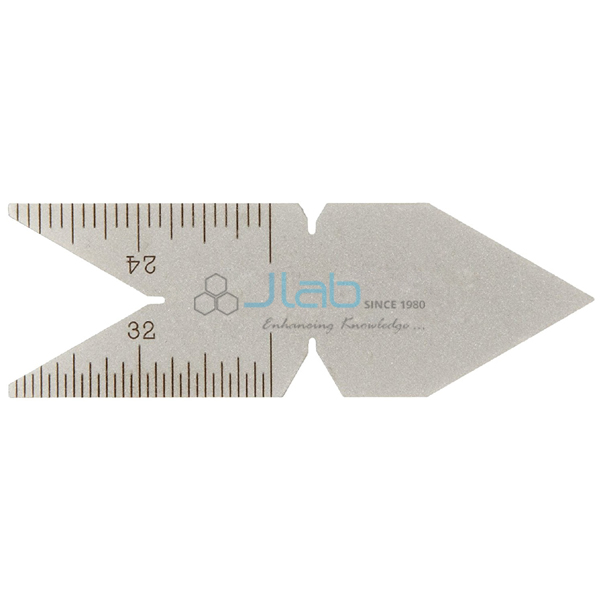
- Center Gauge (for setting screw-cutting tools)
For a quote, use Add To Cart or send us a message through the contact page.
Last updated: 15 November 2026