Plaque Building Anatomical Models Manufacturer,Supplier and Exporter in India
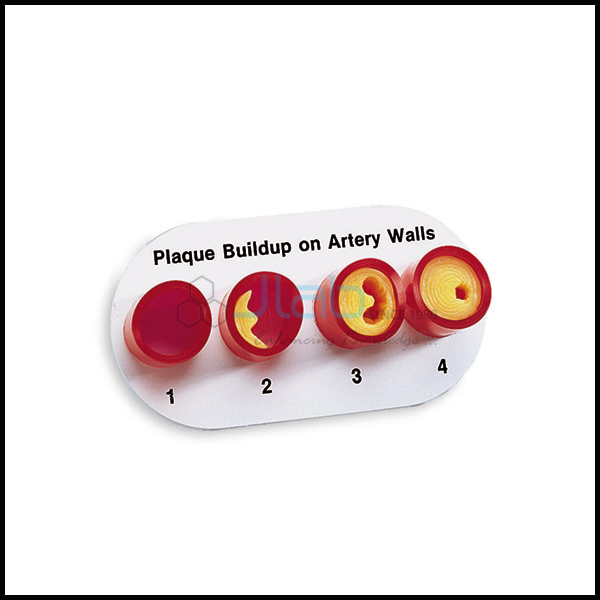
Product Code : EL-HAAM-253
Jlab Export is a leading Plaque Building Anatomical Models Manufacturer,and suppliers in India
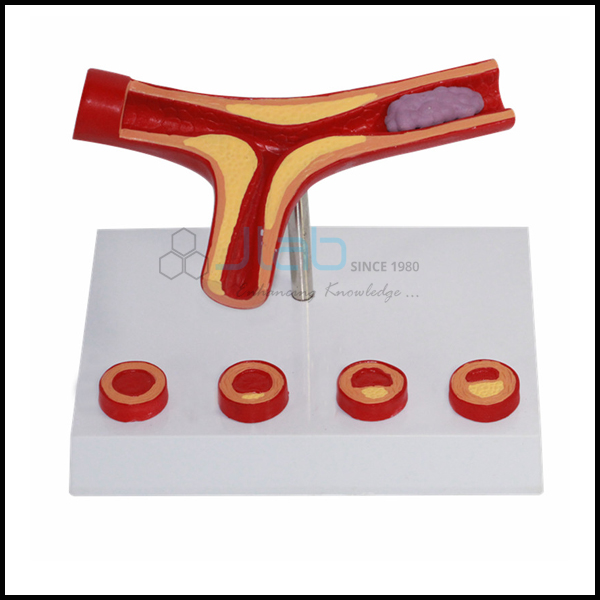
Plaque Building Anatomical Models (code EL-HAAM-253) are anatomical teaching models of plaque building up inside the arteries — the process known as atherosclerosis — for biology, nursing and medical lessons on heart and blood-vessel disease. They help students and patients picture a change that happens out of sight inside the vessel wall. The models are made by Jain Laboratory Instruments Pvt Ltd (JLab) at its works in Ambala, India.
Specifications
| Parameter | Detail |
|---|---|
| Subject | Plaque build-up in the arteries (atherosclerosis) |
| Type | Anatomical teaching models |
| Quality check | Each model is visually inspected before dispatch |
| Pack quantity | Each (sold individually) |
| Minimum order quantity | 10 units |
| Dispatch time | Usually 7–10 working days |
| Product code | EL-HAAM-253 |
| Manufacturer | Jain Laboratory Instruments Pvt Ltd (JLab) — OEM |
| Country of origin | India (made in Ambala, Haryana) |
What Are Plaque Building Models Used For?
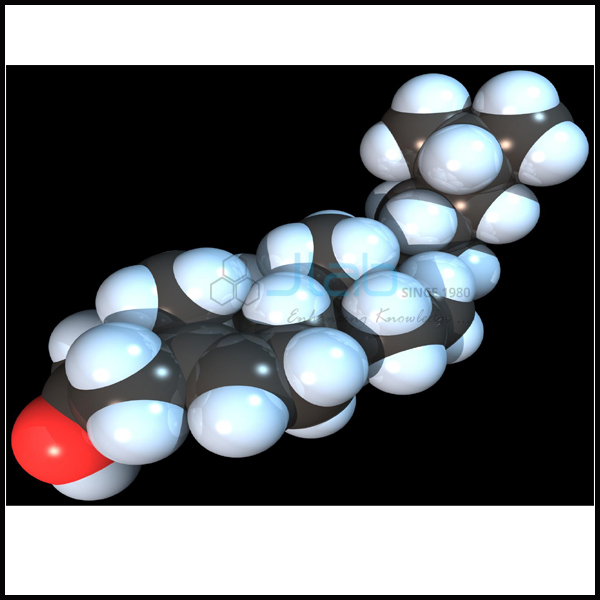
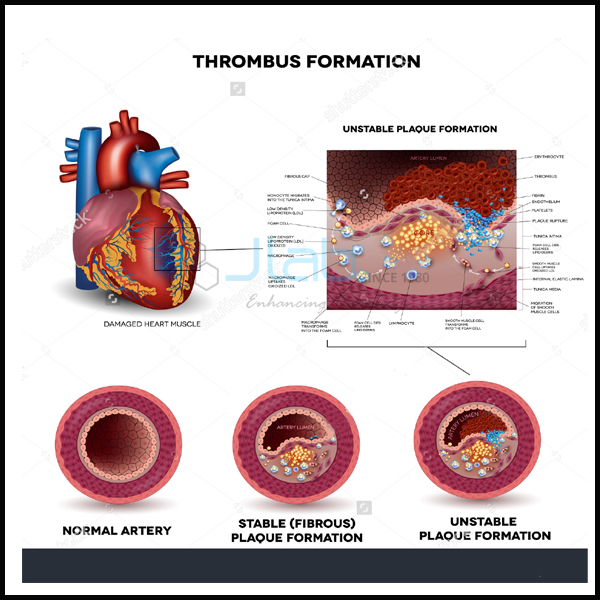
In atherosclerosis, fatty deposits such as cholesterol, together with calcium and fibrous tissue, collect in the inner wall of an artery and harden into plaque. The plaque narrows the channel and reduces blood flow, and if it breaks open it can trigger a clot. When this happens in the coronary arteries that feed the heart muscle, it can cause chest pain (angina) or a heart attack. High LDL cholesterol, smoking, high blood pressure and diabetes all speed the process.
NCERT class 11 biology describes coronary artery disease in the chapter Body Fluids and Circulation, and the models support that lesson as well as cardiovascular teaching for nursing, paramedical and medical students and heart-health talks.
What to Specify When Ordering
- Number of models required.
- Other artery and heart models — for example those listed below, to be quoted on the same enquiry.
- Delivery details — the destination city or port and any tender reference.
Frequently Asked Questions
What do Plaque Building Anatomical Models teach?
How plaque builds up inside the arteries (atherosclerosis), the main cause of coronary artery disease.
Where does this topic appear in the school syllabus?
Coronary artery disease and atherosclerosis are covered in NCERT class 11 biology, in Body Fluids and Circulation.
What is needed for an export quotation?
The quantity, the destination country and port or city, the delivery terms you prefer (for example FOB or CIF), packing or labelling requirements and the tender reference, if there is one.
Who manufactures these models?
Jain Laboratory Instruments Pvt Ltd (JLab), at its works in Ambala, Haryana, India.
OEM Manufacturer
JLab is the trading name of Jain Laboratory Instruments Pvt Ltd, a manufacturer of anatomical and pathology teaching models in India, incorporated in 2017 and based on Hargolal Road, Ambala, Haryana. These models come from JLab’s own works, not from a trader, so schools, colleges, dealers and importers order them direct from the manufacturer. JLab exports worldwide and ships to buyers in every region — for example Lesotho in Southern Africa, Denmark in Northern Europe, Libya in North Africa, Canada in North America and Australia in Oceania. Tender buyers can refer to the JLab lab tenders page.
Related Artery Models
- Artery Model Showing Plaque Building — artery shown in stages from normal through fatty streak and fibrous plaque to blockage, with an information key card.
- Death of an Artery Models — five cross-sections of an artery showing the stages of arteriosclerosis.
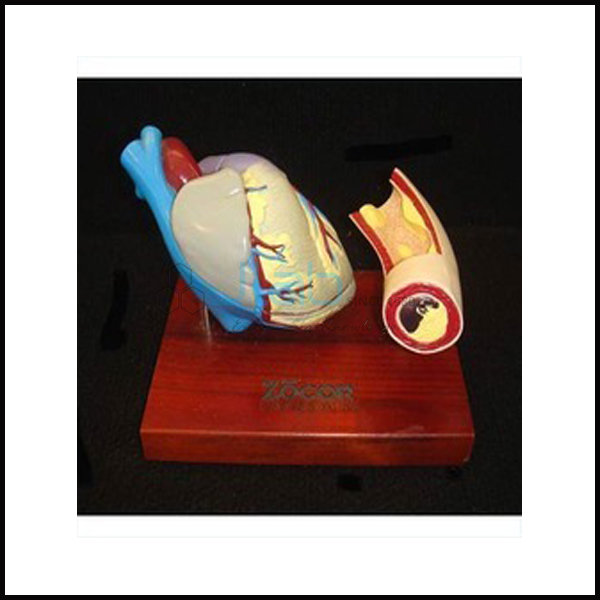
- Arteries with Heart Models — oversized artery section with a cut-away showing the build-up of cholesterol deposits.
- Balloon Angioplasty Models — teaching models of the procedure used to widen a narrowed artery.
See all Heart and Artery Models or the full Anatomical Models range.
Request a Quote
Use the Add To Cart button to send an enquiry, or reach JLab through the contact page with the number of models, the delivery location and any other artery models you need.
Last updated: 16 October 2026