Eye Ear Ulcer Syringe Manufacturer,Supplier and Exporter in India

Product Code : EL-HRG-3780
Jlab Export is a leading Eye Ear Ulcer Syringe Manufacturer,and suppliers in India
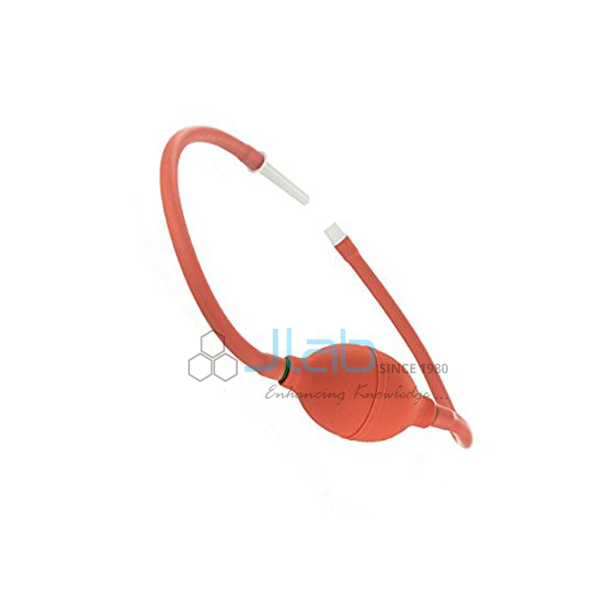
The eye, ear and ulcer syringe is a small, soft bulb syringe. Squeezing the bulb sends a gentle stream of fluid out of its tapered tip, and letting go draws fluid or mucus back in. Nursing staff use it for irrigation and for clearing mucus. It is offered in PVC or TPE and in three sizes: 1 oz (30 ml), 2 oz (60 ml) and 3 oz.
Specifications
| Type | Bulb syringe |
| Material options | PVC or TPE |
| Sizes | 1 oz (30 ml), 2 oz (60 ml), 3 oz |
| Minimum order quantity | 10 units |
| Dispatch time | Usually 4–6 working days |
| Manufacturer | JLab (Jain Laboratory Instruments Pvt Ltd), Ambala, India |
Lab Exercises with Bulb Syringes
Students in a nursing skills lab can find out what each size really delivers. They fill a bulb from a beaker of water, give it one full squeeze into a Measuring Cylinder and read the volume, then repeat for the other two sizes. Comparing a firm and a gentle squeeze shows how the stream can be controlled.
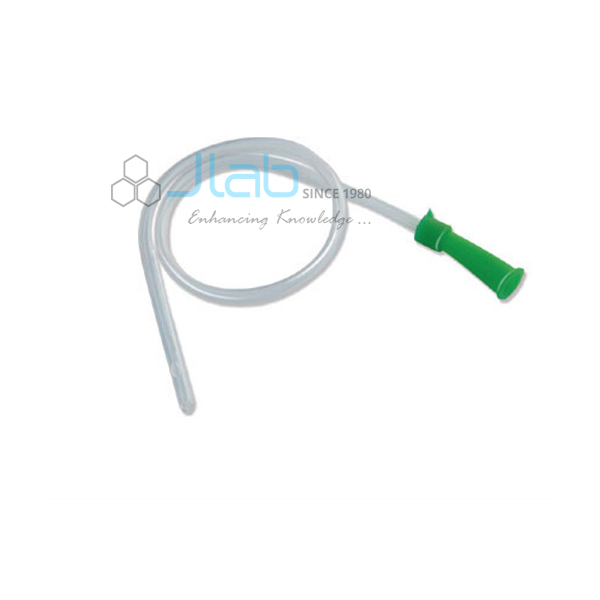
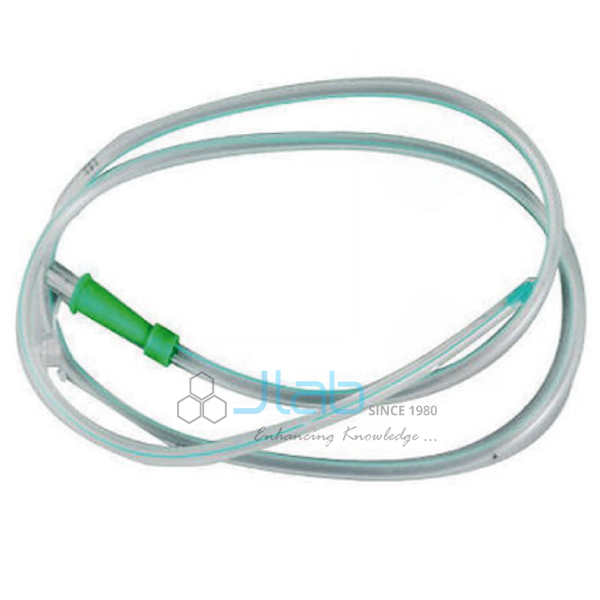
Teachers also set the bulb syringe beside the larger Enema Syringe so students learn to tell the rubber goods on a tray apart. The exercise finishes with aftercare: rinse, squeeze out every drop and stand the syringe tip down to drain.
Frequently Asked Questions
Which size should we order?
The sizes give the bulb capacity: 1 oz (30 ml), 2 oz (60 ml) and 3 oz. A smaller bulb is easier to control with one hand, and a larger one moves more fluid per squeeze. The size used for a patient is chosen by the clinical staff.
What is the difference between PVC and TPE bulbs?
Both are latex-free plastics. TPE is softer and squeezes more like rubber, while PVC is a little firmer and holds its shape well. Staff often choose by how easily the bulb can be squeezed and controlled with one hand.
What water is used to rinse the syringe between uses?
Rinse it with distilled water, or water that has been boiled and cooled, drawing it in and squeezing it out several times. Any further disinfection follows the infection-control policy of the hospital.
How should the syringe be left to drain?
Squeeze out as much water as possible, then stand it tip down in a clean glass or rack with the tip held clear of any water. Let it dry fully before it goes into a closed drawer.
Other Hospital Rubber Goods
For a quote, use Add To Cart or send us a message through the contact page.
Last updated: 13 November 2026