Self Retaining Catheter Manufacturer,Supplier and Exporter in India
Product Code : EL-HRG-3772
Jlab Export is a leading Self Retaining Catheter Manufacturer,and suppliers in India
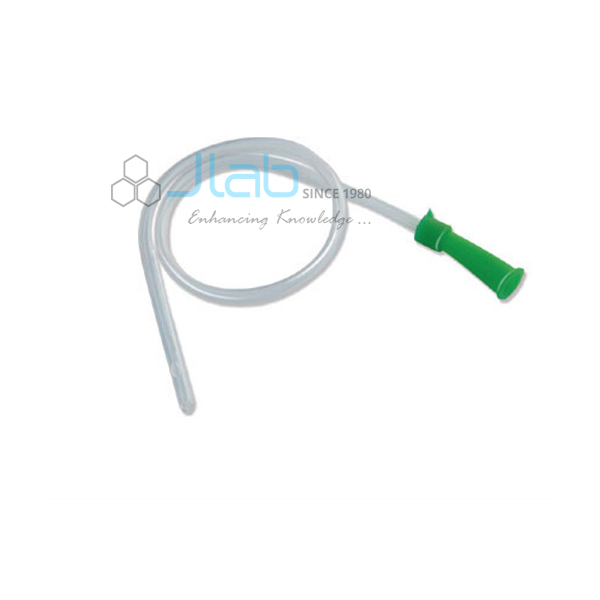
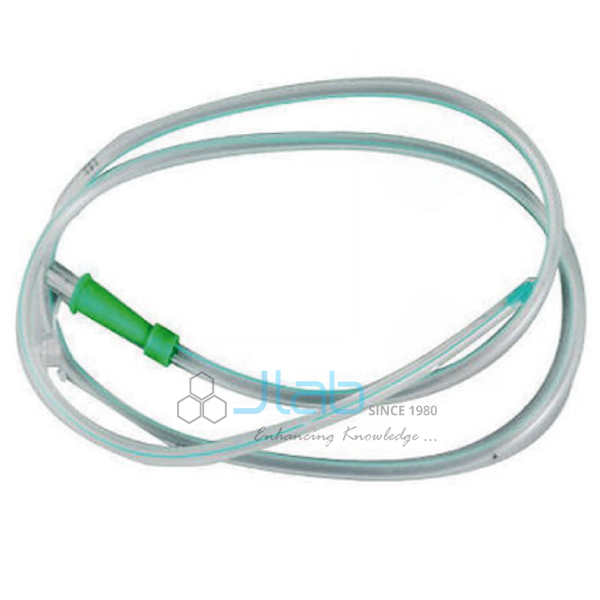
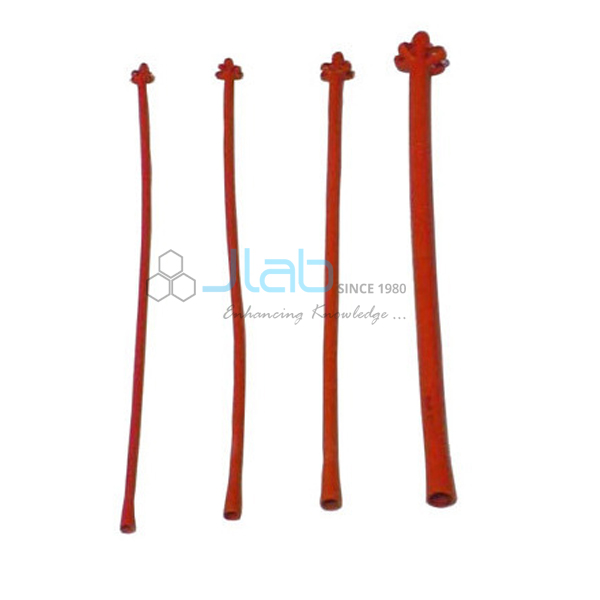
A self retaining catheter stays in the bladder once placed and gives constant drainage. This one is the Malecot type, with a flared, winged tip that holds it in position. It is made in 10 FR and in the ranges 12 to 18 FR, 28 to 32 FR and 34 to 40 FR. Placing and removing it are tasks for trained clinical staff under the hospital procedure.
Specifications
| Type | Malecot self retaining catheter |
| Sizes | 10 FR; 12 to 18 FR; 28 to 32 FR; 34 to 40 FR |
| Minimum order quantity | 10 units |
| Dispatch time | Usually 4–6 working days |
| Manufacturer | JLab (Jain Laboratory Instruments Pvt Ltd), Ambala, India |
Teaching and Lab Exercises
Nursing tutors use the catheter in anatomy and equipment classes, not on patients. On a Female Catheterization Teaching Model they show where the flared Malecot tip sits inside the bladder and why it does not slip out. Students then read the French size printed on each catheter and sort a mixed box into the four size groups.
In a tray-setting exercise, students lay out the named size beside a Kidney Tray and check it against the list. Before it goes on the tray, they look along the shaft for cracks or flat sections. They also check that the wings of the tip are whole and spring back into shape.
Frequently Asked Questions
What does FR mean in the sizes?
FR stands for the French scale, which gives the outside diameter of a catheter. One French unit is a third of a millimetre, so a larger number means a thicker catheter. The size to use is chosen by the clinician.
Are French sizes the same from one maker to another?
Yes, the French number always refers to the outside diameter, so an 18 FR catheter is the same thickness whoever made it. Length, tip shape and wall thickness can still differ, so the type matters as well as the size.
What makes this catheter self retaining?
The Malecot tip has flexible wings that open out into a flared shape. Once the catheter is in place, the open wings stop it sliding back out, so it can stay for continuous drainage without a balloon.
How should catheters be stored on the ward?
Keep them straight in their packs, sorted by size, in a cool, dry cupboard away from sunlight and heat. Do not coil them tightly, tie them or press weights on them. Issue the oldest stock first and check each one for cracks or stickiness.
Other Hospital Tubes
For a quote, use Add To Cart or send us a message through the contact page.
Last updated: 13 November 2026