Recombinant DNA Technology Model Manufacturer,Supplier and Exporter in India

Product Code : EL-BE-6105
Jlab Export is a leading Recombinant DNA Technology Model Manufacturer,and suppliers in India
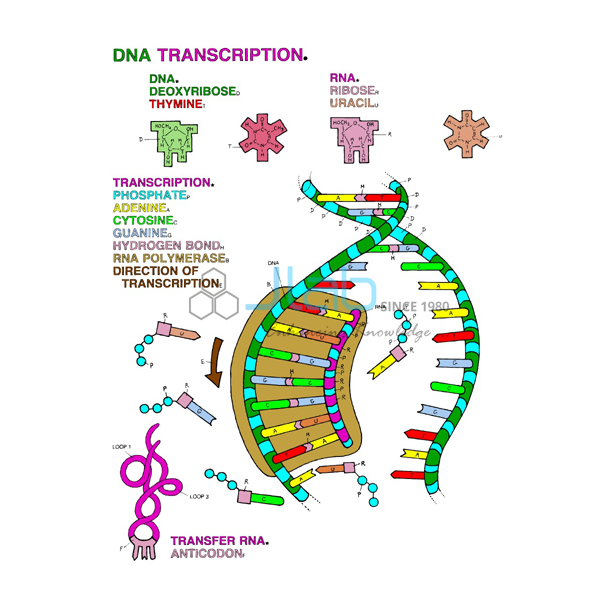
Recombinant DNA Technology Model (code EL-BE-6105) is a biotechnology teaching model on how a gene is cut from one organism, joined into a vector such as a plasmid and introduced into a host cell to make a useful product. It is designed for the class 12 biotechnology chapters and for college biotechnology and genetic engineering courses. It is made by Jain Laboratory Instruments Pvt Ltd (JLab) at its works in Ambala, India.
Specifications
| Parameter | Detail |
|---|---|
| Subject | Recombinant DNA technology (gene cloning), as named in the listing |
| Quality check | Each model is visually inspected before dispatch |
| Pack quantity | Each (sold individually) |
| Minimum order quantity | 10 units |
| Dispatch time | Usually 7–10 working days |
| Product code | EL-BE-6105 |
| Manufacturer | Jain Laboratory Instruments Pvt Ltd (JLab) — OEM |
| Country of origin | India (made in Ambala, Haryana) |
What Is the Recombinant DNA Technology Model Used For?
Restriction enzymes act as molecular scissors: each recognises a short palindromic sequence and cuts there, and enzymes such as EcoRI leave single-stranded “sticky ends”. If the gene of interest and a plasmid vector are cut with the same enzyme, their ends match and DNA ligase can seal them into one recombinant molecule. A useful vector carries an origin of replication, a selectable marker such as an antibiotic-resistance gene, and convenient cloning sites. Host bacteria are made competent, for example by calcium treatment and a brief heat shock, so that they take up the plasmid; plant and animal cells may instead receive DNA by microinjection or a gene gun.
Agarose gel electrophoresis separates DNA fragments by size, and the polymerase chain reaction makes many copies of a chosen gene. Transformed cells are picked out by antibiotic resistance or by insertional inactivation, which gives the familiar blue and white colonies, then grown in bioreactors before the product is purified. Genetically engineered human insulin and Bt cotton are the textbook examples. A model lets students follow the whole sequence before they meet it in a wet lab.
Frequently Asked Questions
What does the model show?
The listing gives only the subject. Ask JLab which steps and parts are included, and for the size and material, before ordering.
Why must the gene and the plasmid be cut with the same restriction enzyme?
The same enzyme leaves matching sticky ends on both pieces, so they pair up and DNA ligase can join them.
OEM Manufacturer
Jain Laboratory Instruments Pvt Ltd, which trades as JLab, manufactures teaching models and laboratory equipment in India; it was incorporated in 2017 and is based on Hargolal Road, Ambala, Haryana. JLab makes this model in its own works and does not buy it from a trader, so schools, colleges, dealers and importers get it straight from the source. JLab exports worldwide and ships to buyers in every region — for example Samoa in Oceania, the Dominican Republic in Central America and the Caribbean, Taiwan in East Asia, DR Congo in Central Africa and Bangladesh in South Asia.
Biotechnology Teaching Aids
- DNA Fingerprinting Classroom Kit — a restriction enzyme, sample DNA and buffers for a classroom fingerprinting exercise.
- Classroom DNA Electrophoresis Lab Station — a complete electrophoresis system for separating DNA fragments.
- Gene Transfer Conjugation Transduction Model — the natural ways bacteria exchange genes.
- Turning Genes On and Off — a hands-on activity on gene expression using a safe microbe.
Browse Biology Equipment or the full Biology Lab Equipment catalogue for more.
Request a Quote
Quotations come directly from JLab. Use Add To Cart or the contact page, listing the quantity (minimum 10 units), destination and any biotechnology kits to add.
Last updated: 4 October 2026