Tissue Homogeniser Manufacturer,Supplier and Exporter in India
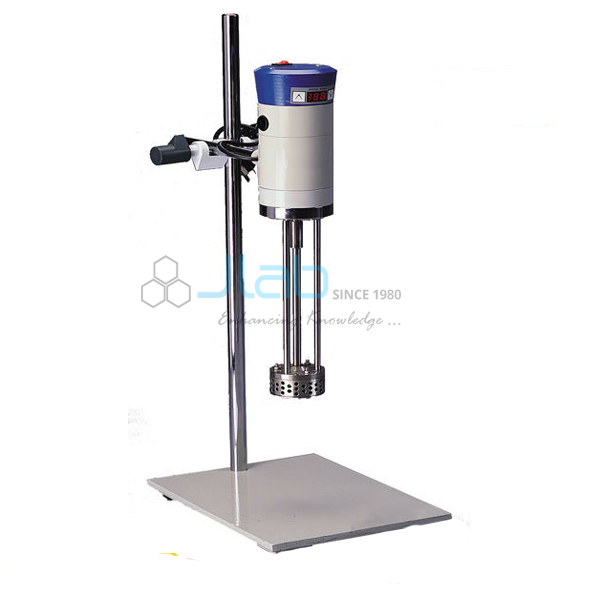
Product Code : EL-RE-2085
Jlab Export is a leading Tissue Homogeniser Manufacturer,and suppliers in India
Soft animal or plant tissue is broken up in this homogeniser until the cells release their contents into the buffer, giving a smooth homogenate for further tests. Research and teaching labs use it for tissue, plant, food and soil samples. The homogenising vessel is made in 25 ml, 50 ml and 100 ml sizes, and the unit is fitted with a holder.
Specifications
| Use | Homogenising and grinding tissue, plant, food and soil samples |
| Homogenising vessel | 25 ml, 50 ml or 100 ml |
| Fitting | Holder |
| Minimum order quantity | 1 unit |
| Dispatch time | Usually 7–10 working days |
| Manufacturer | JLab (Jain Laboratory Instruments Pvt Ltd), Ambala, India |
Biochemistry Practicals with Tissue Homogenates
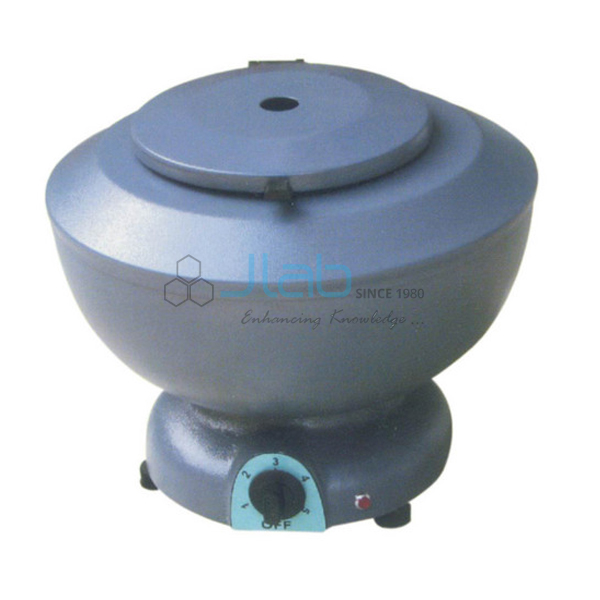
Biochemistry students prepare a liver or muscle homogenate in cold buffer for enzyme assays. The homogenate is spun in a Centrifuge Tube Conical Bottom on a Centrifuge to settle the debris, and the clear supernatant goes into the assay.
For cell fractionation, the homogenate is spun at rising speeds and the pellet from each step is kept for testing. Higher speeds and cold runs need a Refrigerated Centrifuge Machine. Tough or fibrous plant material is often ground first in a Mortar and Pestle and then homogenised.
Frequently Asked Questions
Why is the sample kept cold while homogenising?
Grinding warms the sample, and heat can damage enzymes and other proteins. Chill the buffer and the vessel beforehand, stand the vessel in ice while you work, and homogenise in short bursts with rests in between.
Which vessel size should I choose?
Match the vessel to the sample and buffer volume. The 25 ml vessel suits small tissue pieces in student assays. The 50 ml and 100 ml vessels take larger batches, or plant and food samples that need more buffer.
How should tissue be prepared before homogenising?
Rinse off blood with cold saline or buffer, blot the tissue dry and weigh it. Cut it into small pieces and add a measured volume of cold buffer. A known tissue to buffer ratio lets you report results per gram of tissue.
What goes wrong most often in student homogenate practicals?
Warm buffer, too much tissue in the vessel and over-long homogenising all lower enzyme activity. Large lumps left behind give uneven results. Label every tube clearly and keep each sample on ice until it is spun.
How do I clean the vessel between samples?
Rinse it with cold water straight after use, wash it with a mild lab detergent and finish with distilled water. Dried tissue sticks hard, so do not leave the vessel standing. Clean between samples so one homogenate does not carry over into the next.
Other Homogenisers and Grinders
- Hand Held Homogenizer (stainless steel generator probes)
- Probe Sonicator Ultrasonic Homogeniser
- Micro Pestle (for micro centrifuge tubes)
For a quote, use Add To Cart or send us a message through the contact page.
Last updated: 6 November 2026