Welding Leather Gloves Manufacturer,Supplier and Exporter in India
Product Code : EL-SWES-8755
Jlab Export is a leading Welding Leather Gloves Manufacturer,and suppliers in India
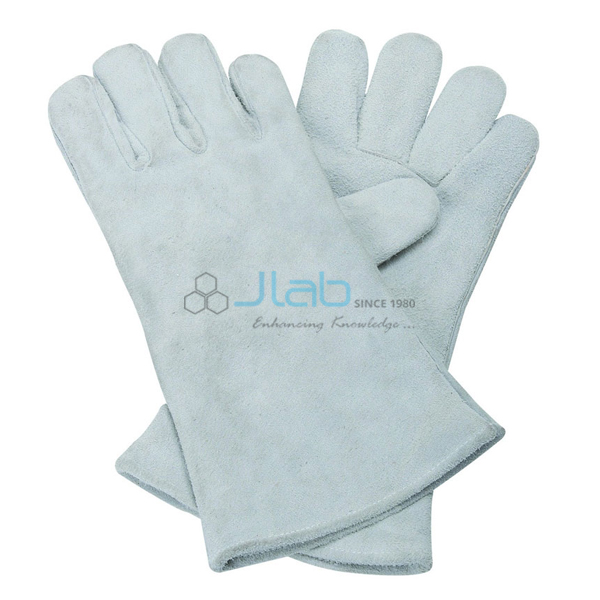
Sparks and spatter land on the hands in every welding practical, and these gloves are cut from heavy duty split leather to take them. A cotton lining sits inside, and the gloves give a firm grip on an electrode holder or torch. They are made in 12, 14 and 16 in lengths, besides other regular sizes.
Specifications
| Material | Heavy duty split leather |
| Lining | Cotton |
| Lengths | 12, 14 and 16 in, other regular sizes |
| Use | Welding |
| Minimum order quantity | 10 units |
| Dispatch time | Usually 4–6 working days |
| Manufacturer | JLab (Jain Laboratory Instruments Pvt Ltd), Ambala, India |
Stick and Gas Welding Practicals
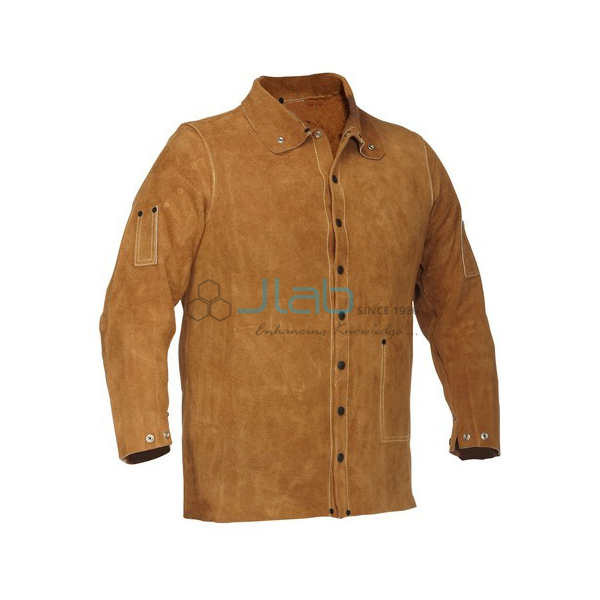
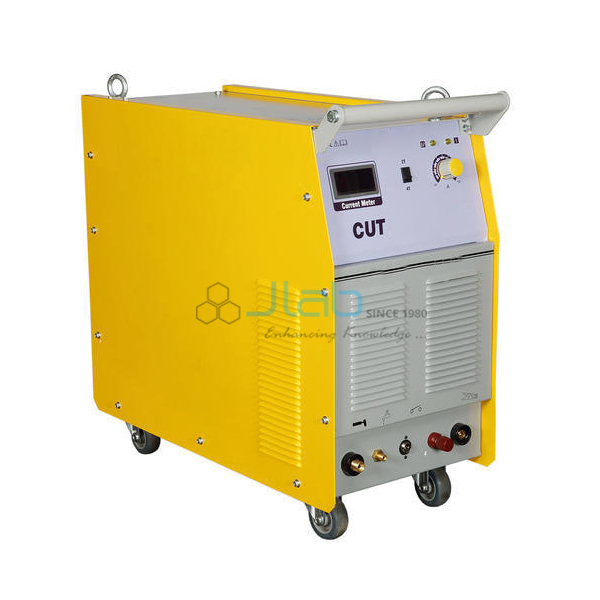
Trainees wear the gloves to fit electrodes into the holder and run beads with the Shielded Metal Arc Welding Machine. In stick welding, spatter falls on the back of the hand. For vertical and overhead practice, the 16 in length reaches over the cuff of a Leather Welding Jacket.
The same gloves serve for gas welding and flame cutting on the Gas Welding Plant. Teachers should still have hot practice pieces picked up with pliers or tongs, since leather welding gloves are made for sparks and spatter, not for holding hot steel.
Frequently Asked Questions
Which glove length should I choose?
The 12 in gloves suit bench work where the sleeves cover the wrists. The 14 and 16 in lengths reach further up the forearm, which helps in vertical and overhead welding, where spatter can drop into a short cuff.
What is split leather, and why is it used for welding gloves?
Split leather comes from the inner layer of the hide, under the smooth grain side, and has a rough, suede-like surface. It is the usual leather for stick and gas welding gloves, where heat and spatter matter more than fine finger feel.
Are these gloves suitable for TIG welding?
They can be worn for TIG, but heavy split leather limits finger feel when feeding filler rod. Many TIG welders prefer a thinner glove for fine work and keep heavy gloves like these for stick welding, gas welding and cutting.
What does the cotton lining do?
It soaks up sweat and sits between the skin and the leather. The gloves are then more comfortable over a long practical and easier to pull on and off with damp hands.
How should welding gloves be cared for?
Keep them free of oil and grease, which can catch fire from sparks. Let damp gloves dry slowly at room temperature, away from heaters, so the leather does not shrink or harden. Replace any pair with holes or burnt-through patches.
Other Welding Clothing and Face Protection
For a quote, use Add To Cart or send us a message through the contact page.
Last updated: 6 November 2026