Sample Splitters (Riffle Boxes) Manufacturer,Supplier and Exporter in India

Product Code : EL-CL-8855
Jlab Export is a leading Sample Splitters (Riffle Boxes) Manufacturer,and suppliers in India
A riffle box divides a sample of sand, gravel or aggregate into two halves that stay representative of the whole. The material is poured along a row of chutes that send it alternately to the left and right, into two collecting pans. These splitters come in painted steel or stainless steel.
Specifications
| Use | Division of a sample into two representative portions |
| Materials split | Aggregates, sand, gravel and similar |
| Construction | Painted steel or stainless steel |
| Supplied with | Two collecting pans |
| Minimum order quantity | 10 units |
| Dispatch time | Usually 4–6 working days |
| Manufacturer | JLab (Jain Laboratory Instruments Pvt Ltd), Ambala, India |
Using a Riffle Box Correctly
Set the two pans under the chute outlets and spread the sample evenly in a scoop or pan as wide as the row of chutes. Pour it in steadily along the full width so that every chute gets material. Keep one pan, set the other aside, and pour the kept half through again until the portion is the size the test needs.
Sample Reduction Practicals in the Lab
Before a sieve analysis, students reduce a bag of field aggregate to a test portion in the riffle box. They then grade it on Test Sieves in a Sieve Shaker. Splitting the same bag twice and comparing the two gradings shows how well the box keeps the halves alike.
The method can be set against coning and quartering on a clean floor, which students do by hand. Split portions also go to the Coarse Aggregate Density Test Set for specific gravity, where a biased sample would give a misleading result.
Frequently Asked Questions
How does a riffle box keep both halves representative?
The chutes alternate in direction, so neighbouring streams of material go to opposite pans. Poured evenly across all the chutes, coarse and fine particles are shared between the two halves.
How wide should the chutes be for my material?
The chute openings should be clearly wider than the biggest particles, so stones cannot bridge across and block a chute. Coarse gravel needs a box with wider chutes than sand.
Should I choose painted or stainless steel?
Painted steel suits dry sand and aggregate. Stainless steel resists rust and cleans easily, so it is the better pick for damp samples or frequent washing.
Is riffling better than coning and quartering?
For dry, free-flowing material a riffle box is quicker and splits more evenly, because it does not depend on how carefully a heap is shaped and divided. Coning and quartering is still used for large or damp samples.
Other Aggregate Preparation and Test Apparatus
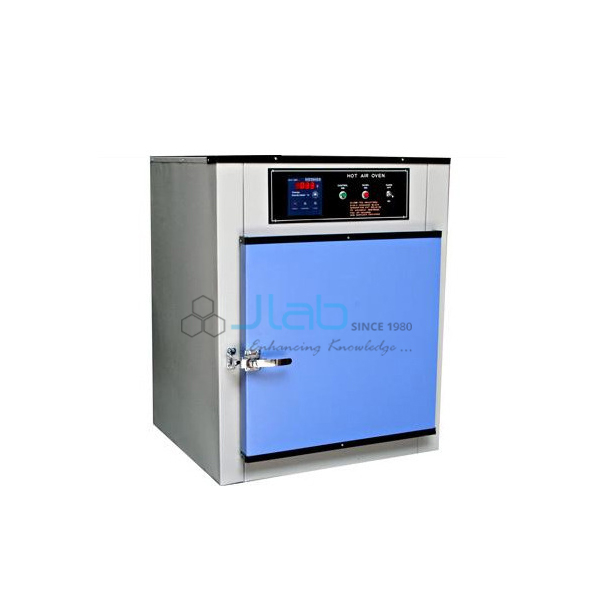
- Drying Oven (dries aggregate and soil samples)
- Dunagan Test Set
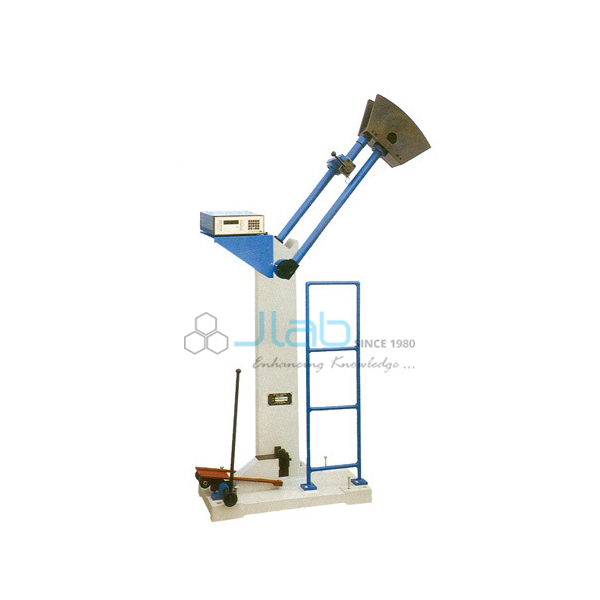
- Aggregate Impact Tester
For a quote, use Add To Cart or send us a message through the contact page.
Last updated: 6 November 2026