Eureka Can (Overflow Cans Plastic) Manufacturer,Supplier and Exporter in India
Product Code : EL-SLE-4550
Jlab Export is a leading Eureka Can (Overflow Cans Plastic) Manufacturer,and suppliers in India
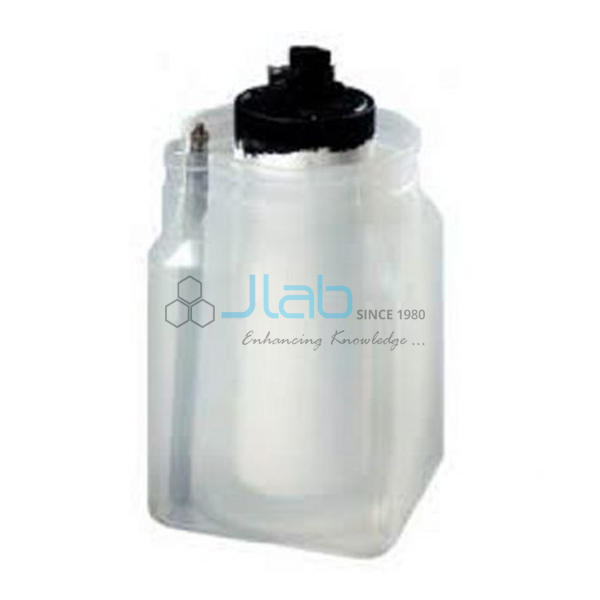
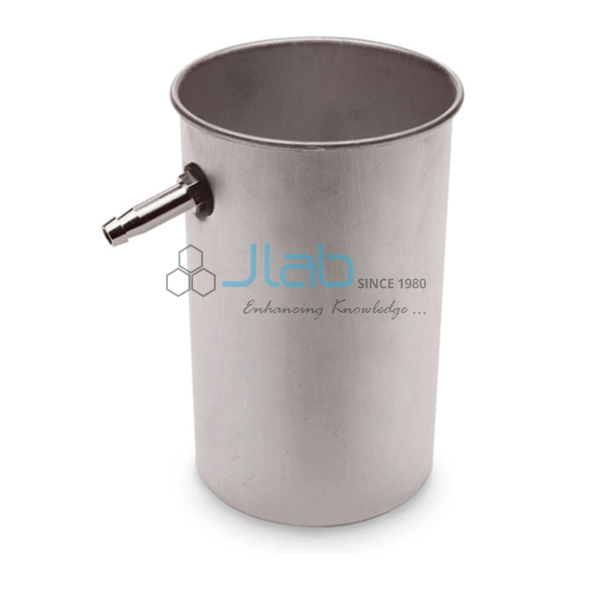
Eureka Can (Overflow Cans Plastic) (code EL-SLE-4550) is a polypropylene overflow can used to measure the displacement of liquids — finding the volume of an irregular solid or checking Archimedes’ principle in school and college physics practicals. A spout on the side channels the overflowing liquid into a measuring cylinder or beaker during the experiment. It is made by Jain Laboratory Instruments Pvt Ltd (JLab) at its works in Ambala, India.
Get a quote: use the Add To Cart enquiry button below, or send your quantity and destination through the contact page.
Specifications
| Parameter | Detail |
|---|---|
| Type | Overflow (eureka) can |
| Body material | Polypropylene (plastic) |
| Spout | Attached on the side to channel out overflowing liquid |
| Main application | Measurement of displacement of liquids |
| Quality check | Each can is visually inspected before dispatch |
| Pack quantity | Each (sold individually) |
| Minimum order quantity | 10 units |
| Dispatch time | Usually 7–10 working days |
| Product code | EL-SLE-4550 |
| Manufacturer | Jain Laboratory Instruments Pvt Ltd (JLab) — OEM |
| Country of origin | India (made in Ambala, Haryana) |
How Does It Compare with JLab’s Metal Overflow Cans?
| Model | Body | Listed details |
|---|---|---|
| This plastic eureka can (EL-SLE-4550) | Polypropylene | Side spout for the overflow; for displacement measurement |
| Overflow Vessel (Eureka Can) | G.I. sheet, powder-coated hammer-tone finish | Flared top edge for strength; spout; for density and specific gravity experiments |
| Overflow Can | Seamless aluminium | Spout attached; measures the volume of irregular objects; can be used with a spring scale |
The plastic can is light, cannot rust and will not shatter like a glass vessel, so it suits younger classes and wet benches. The metal cans are the alternative where a rigid sheet-metal or seamless aluminium body is preferred.
What Is a Eureka Can Used For?
The can turns Archimedes’ famous bath-time observation into a measurement. Fill it with water until it runs out of the spout, wait for the dripping to stop, and set a measuring cylinder under the spout. Lower a stone, a key or any irregular solid gently into the can on a thread: the water that overflows equals the volume of the object. Weigh the object in air and in water with a spring balance, and the loss in weight matches the weight of the water collected — Archimedes’ principle, taught with buoyancy and flotation in class 9. Divide the mass of a solid by its displaced volume and students have its density, a standard practical in school physics labs in India and abroad.
For a clean reading, stand the can on a level surface, lower the object slowly so it does not splash, and make sure the object is fully submerged without touching the bottom while you collect. Empty, rinse and dry the can after use; a polypropylene body tolerates water and most dilute solutions used in schools.
What to Specify When Ordering
- Quantity — the minimum order is 10 cans; one per practical group is typical.
- Body material — this plastic can, or one of the metal overflow cans.
- Measuring kit — measuring cylinders, a spring balance and a set of solids if you want complete stations.
- Delivery — destination country and port or city, terms such as FOB or CIF, and any tender reference.
Frequently Asked Questions
What is this eureka can made of?
Polypropylene. The plastic body is light and will not rust or shatter like glass, which makes it practical for student benches.
What size is the can?
The listing does not state the capacity or dimensions. Ask JLab for the current size, and check that the biggest objects you plan to test fit through the mouth.
How do I find the volume of an object with it?
Fill the can until water runs from the spout, let it stop dripping, then lower the object in and catch the overflow in a measuring cylinder. The volume collected equals the volume of the object.
Is a measuring cylinder included?
No. The listing covers the can with its spout; measuring cylinders, beakers and spring balances are separate items that can go on the same enquiry.
How is it different from the metal overflow cans?
It has a polypropylene body, while JLab’s other overflow cans are G.I. sheet with a hammer-tone finish or seamless aluminium. All have a spout for the overflow.
What is the minimum order and dispatch time?
The minimum is 10 units, supplied individually. Dispatch is usually within 7–10 working days, after each can is visually inspected; export transit time depends on the destination.
Who manufactures this eureka can?
Jain Laboratory Instruments Pvt Ltd (JLab), at its works in Ambala, Haryana, India.
OEM Manufacturer
JLab is the trading name of Jain Laboratory Instruments Pvt Ltd, a manufacturer of school physics and general laboratory apparatus in India, incorporated in 2017 and based on Hargolal Road, Ambala, Haryana. The eureka can is made in JLab’s own works rather than bought in from a trader, so schools, colleges, dealers and importers buy from the manufacturer; every can is visually inspected before dispatch, and repeat orders are made by the same works. JLab exports worldwide, with buyers possible in every region — for example Brazil in South America, Ireland in Western Europe, Spain in Southern Europe, Taiwan in East Asia and Togo in West Africa. Tender buyers can refer to the JLab lab tenders page.
Related Apparatus for Density and Buoyancy
- Measuring Cylinders — polypropylene cylinders with raised graduations for reading the overflow volume.
- Spring Balance — newton meters in a metal case with zero adjustment, for weighing in air and water.
- Archimedes Principle Kit — regular and irregular solids, beakers, a newton meter and a displacement vessel.
- Overflow Vessel (Eureka Can) — the G.I. sheet version with a flared top edge.
- Overflow Can — a seamless aluminium can with spout.
Browse the School Lab Equipment range for more.
Request a Quote
Quotes come direct from the manufacturer. Use the Add To Cart enquiry button on this page, or send the quantity (minimum 10 units), any cylinders or balances to include and your delivery location through the contact page.
Last updated: 4 October 2026