Bacteria Cell and Cell Wall Model Manufacturer,Supplier and Exporter in India
Product Code : EL-BE-6170
Jlab Export is a leading Bacteria Cell and Cell Wall Model Manufacturer,and suppliers in India
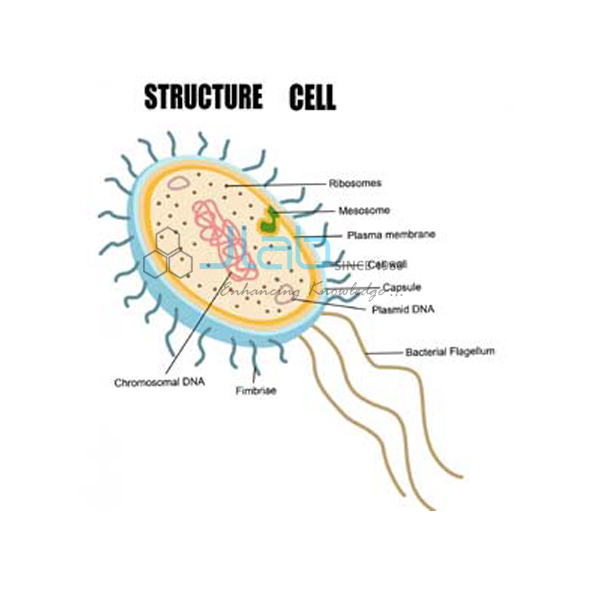
Bacteria Cell and Cell Wall Model (code EL-BE-6170) is a biology teaching model of a bacterial cell with emphasis on its cell wall — the peptidoglycan layer that gives a bacterium its shape and stops it bursting. It supports the prokaryotic cell section of class 11 biology and introductory microbiology. It is made by Jain Laboratory Instruments Pvt Ltd (JLab) at its works in Ambala, India.
Specifications
| Parameter | Detail |
|---|---|
| Topic | Bacterial (prokaryotic) cell and its cell wall |
| Suggested for | Class 11 biology (Cell: The Unit of Life), college microbiology, nursing and paramedical courses |
| Parts, labels, size and material | Not described in the listing — ask JLab for a description and photo with the quotation |
| Quality check | Each model is visually inspected before dispatch |
| Pack quantity | Each (sold individually) |
| Minimum order quantity | 10 units |
| Dispatch time | Usually 7–10 working days |
| Product code | EL-BE-6170 |
| Manufacturer | Jain Laboratory Instruments Pvt Ltd (JLab) — OEM |
| Country of origin | India (made in Ambala, Haryana) |
What Is the Bacteria Cell and Cell Wall Model Used For?
NCERT class 11 describes the bacterial cell envelope as three layers: an outer glycocalyx, which may be a loose slime layer or a firm capsule, then the cell wall, then the plasma membrane. Inside there is no nucleus — the DNA lies in a nucleoid, often with small circular plasmids — along with ribosomes, inclusion bodies and the membrane infoldings called mesosomes, while flagella, pili and fimbriae extend from the surface. The wall itself is made of peptidoglycan (murein): sugar chains cross-linked by short peptides into a mesh that holds the cell’s shape and resists bursting in dilute surroundings. That mesh is also why the enzyme lysozyme in tears and saliva, and the antibiotic penicillin, act on bacteria.
The wall leads straight into Gram staining. Gram-positive bacteria have a thick peptidoglycan layer that keeps the crystal violet stain; Gram-negative bacteria have a thin layer covered by an outer membrane and lose it, taking up the red counterstain instead.
Frequently Asked Questions
What is the bacterial cell wall made of?
Peptidoglycan, also called murein. Gram-negative bacteria add an outer membrane outside a thin peptidoglycan layer.
How is this different from the other bacterial cell models?
This listing names the cell wall specifically but does not describe its parts. The Bacterial Model is listed as showing the cell wall, cytoplasm membrane, cytoplasm, nucleoid, ribosomes, pili and flagella, mounted on a board; ask JLab to compare the two before ordering.
OEM Manufacturer
JLab is the trading name of Jain Laboratory Instruments Pvt Ltd, a manufacturer of biology lab equipment and teaching models in India, incorporated in 2017 and based on Hargolal Road, Ambala, Haryana. Each model is made in JLab’s own works rather than bought from a trader, which lets schools, colleges, dealers and importers order at source. JLab exports worldwide and ships to buyers in every region — for example Austria in Western Europe, Benin in West Africa, Serbia in Southern Europe, Bolivia in South America and Gabon in Central Africa.
Related Bacterial Cell Models
- Gram Positive and Gram Negative Cell Wall Model — the two wall types side by side.
- Bacterial Model — a board-mounted bacterial cell with wall, nucleoid, ribosomes, pili and flagella.
- Comparison of Prokaryotic and Eukaryotic Cells Model — how a bacterial cell differs from plant and animal cells.
- Modular Bacteria Prepared Slide — real bacteria to view under the microscope.
Find more in Biology Equipment or the complete Biology Lab Equipment range.
Request a Quote
Quotes come direct from the manufacturer: press Add To Cart, or send the quantity (minimum 10 units) and destination through the contact page.
Last updated: 4 October 2026