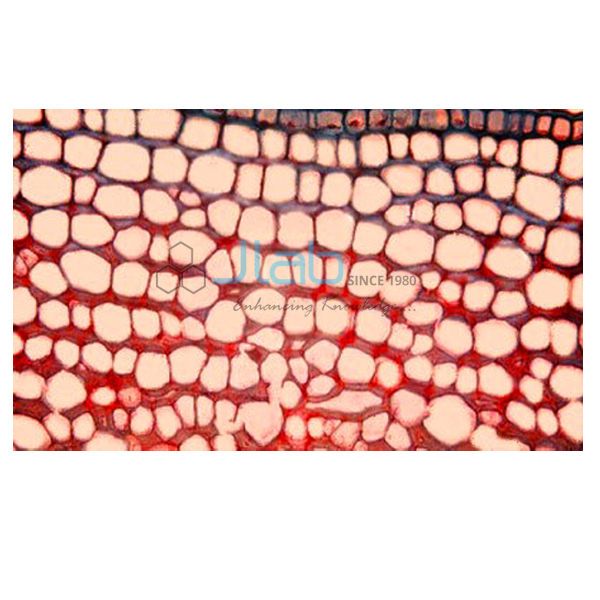
Marasmus Model Manufacturer,Supplier and Exporter in India
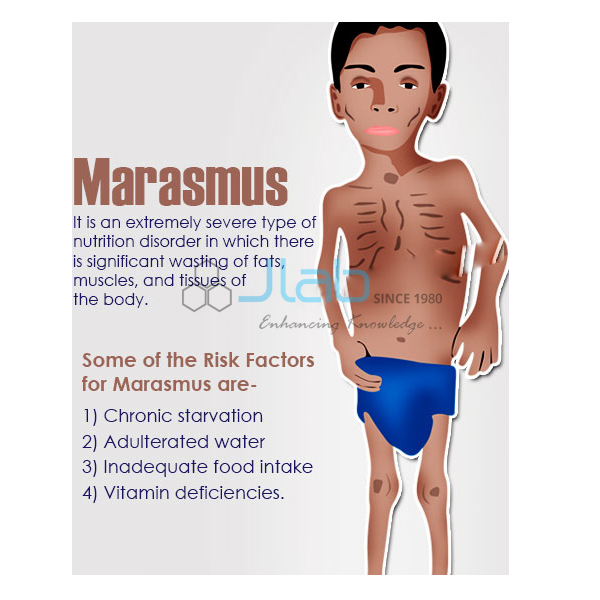
Product Code : EL-BE-5163
Jlab Export is a leading Marasmus Model Manufacturer,and suppliers in India
Marasmus Model (code EL-BE-5163) is a teaching model of marasmus, the form of severe malnutrition in which a child’s body wastes away after a long shortage of food energy and protein. It is used in nutrition, community-medicine, nursing and home-science lessons on child health and growth. It is made by Jain Laboratory Instruments Pvt Ltd (JLab) at its works in Ambala, India.
Specifications
| Parameter | Detail |
|---|---|
| Subject shown | Marasmus (severe wasting malnutrition), as named |
| Intended use | Teaching and demonstration only |
| Quality check | Each model is visually inspected before dispatch |
| Pack quantity | Each (sold individually) |
| Minimum order quantity | 10 units |
| Dispatch time | Usually 7–10 working days |
| Product code | EL-BE-5163 |
| Manufacturer | Jain Laboratory Instruments Pvt Ltd (JLab) — OEM |
| Country of origin | India (made in Ambala, Haryana) |
What Is the Marasmus Model Used For?
Marasmus is a form of severe protein-energy malnutrition, seen mostly in infants and young children who get too little food overall. The body uses up its fat stores and then its muscle, leaving a very thin, “skin and bones” appearance with loose skin folds and an aged-looking face. Unlike kwashiorkor, marasmus is not marked by swelling (oedema) of the feet and face, so the two are often compared side by side in class. Prevention lessons centre on breastfeeding, adequate complementary feeding and regular growth monitoring.
The model supports teaching in dietetics and home science, nursing and community medicine, and biology lessons on nutrition and deficiency diseases.
What to Specify When Ordering
- Size, material and mounting — confirm them with JLab, since the listing does not state them.
- Quantity — minimum 10 units.
- Comparison set — order the Kwashiorkor Model as well if you teach the two forms of malnutrition together.
Frequently Asked Questions
How does marasmus differ from kwashiorkor?
Marasmus is severe wasting from an overall lack of food, without oedema. Kwashiorkor is marked by oedema and skin and hair changes, and is linked with a diet especially poor in protein. JLab lists a separate Kwashiorkor Model.
Does the listing give the model’s size or material?
No. Ask JLab to confirm the size, material and mounting with your quotation.
How many units must I order, and when will they ship?
Order 10 units or more; each is sold individually and visually inspected. Dispatch normally takes 7–10 working days, plus transit time for export.
Who is the manufacturer?
JLab (Jain Laboratory Instruments Pvt Ltd), which makes the Marasmus Model at its works in Ambala, Haryana, India.
OEM Manufacturer
Jain Laboratory Instruments Pvt Ltd trades as JLab and manufactures laboratory equipment and health-education models in India; the company was incorporated in 2017 and is based on Hargolal Road, Ambala, Haryana. JLab makes this model in its own works rather than buying it from a trader, so colleges, schools, dealers and importers order straight from the maker, each model is inspected by eye before packing, and repeat orders stay with the manufacturer. JLab exports worldwide and ships to buyers in every region — for example Lebanon in the Middle East, Gabon in Central Africa, Vanuatu in Oceania, Canada in North America and Albania in Southern Europe. Tender information is on the JLab lab tenders page.
Related Malnutrition Teaching Aids
- Kwashiorkor Model — the oedematous form of severe malnutrition, for side-by-side comparison.
- Malnutrition Chart — a wall chart on what happens when the diet falls short of the body’s needs.
- Deficiency Diseases Chart — conditions caused by missing nutrients, with their symptoms.
- Rickets Model — a further deficiency-disease model for nutrition lessons.
More models are listed in the Biology Equipment range and the Biology Lab Equipment range.
Request a Quote
Get a quotation from the manufacturer: click Add To Cart on this page, or send the quantity (minimum 10 units), the destination and any other nutrition models you want through the contact page.
Last updated: 4 October 2026