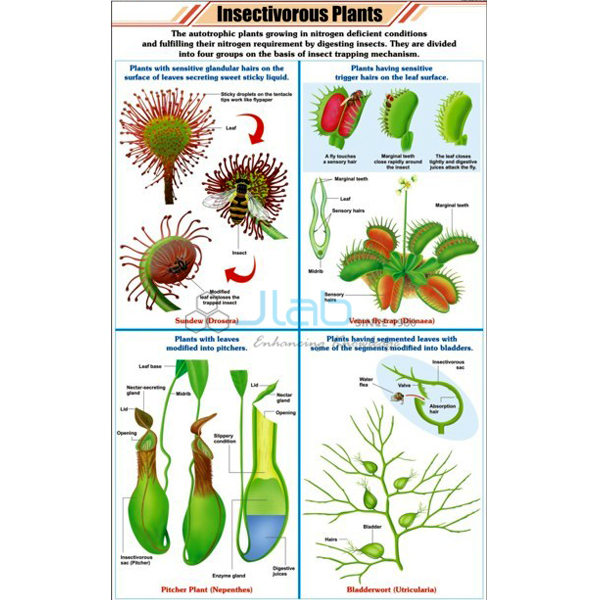
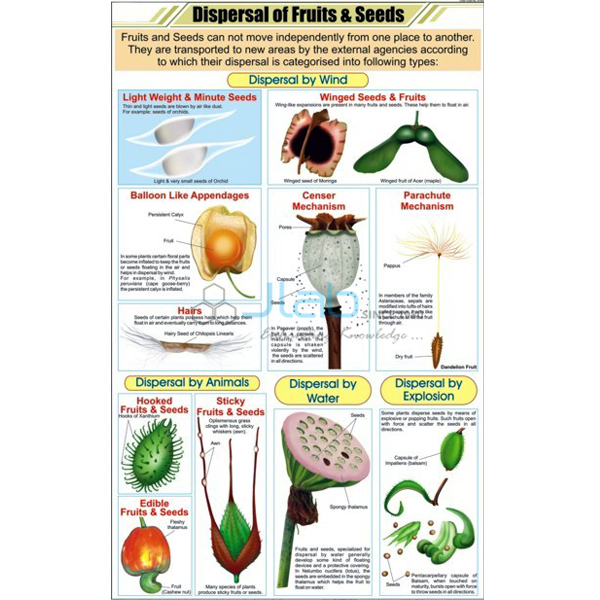
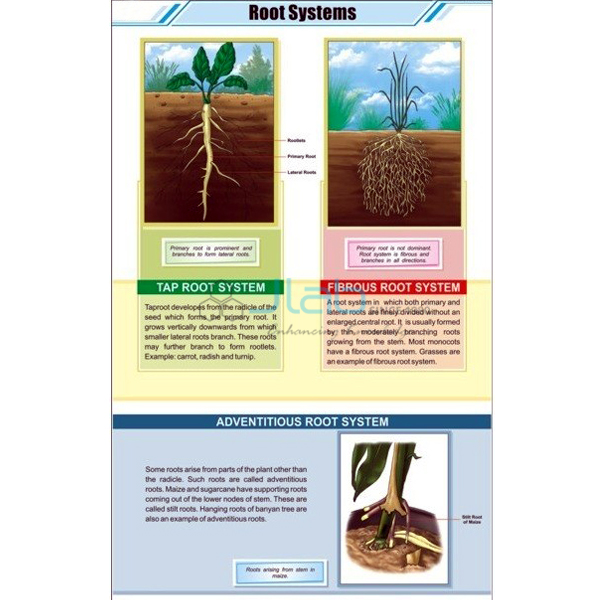
Hydrophytes Chart Manufacturer,Supplier and Exporter in India
Product Code : EL-BC-9266
Jlab Export is a leading Hydrophytes Chart Manufacturer,and suppliers in India
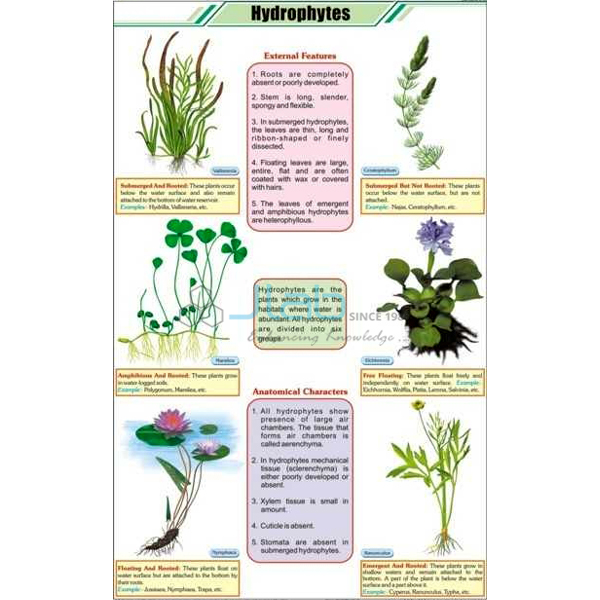
Hydrophytes Chart (code EL-BC-9266) is a 58 x 90 cm botany wall chart on hydrophytes, the plants that live in water or in waterlogged places, for school and college biology lessons on how plants are adapted to their habitat. It is printed in full colour on art paper, laminated on both sides with thick plastic film, fitted with plastic rollers and in English only. JLab (Jain Laboratory Instruments Pvt Ltd, Ambala, India) supplies it to schools, colleges and dealers.
Specifications
| Parameter | Detail |
|---|---|
| Subject | Hydrophytes (water plants) and their adaptations |
| Chart group | Botany Charts |
| Size | 58 x 90 cm |
| Printing | Full colour on art paper |
| Finish | Laminated on both sides with thick plastic film |
| Rollers | Plastic rollers fitted |
| Language | English only |
| Quality check | Each chart is visually inspected before dispatch |
| Pack quantity | Each (sold individually) |
| Minimum order quantity | 10 units |
| Dispatch time | Usually 7–10 working days |
| Product code | EL-BC-9266 |
| Supplied by | Jain Laboratory Instruments Pvt Ltd (JLab), Ambala, India |
What Is the Hydrophytes Chart Used For?
Hydrophytes are grouped by how they sit in the water. Submerged plants such as Hydrilla and Vallisneria live wholly under water; free-floating plants such as water hyacinth (Eichhornia), Pistia and Lemna float on the surface with their roots hanging free; rooted plants with floating leaves, such as the water lily (Nymphaea) and lotus, are anchored in the mud; and amphibious or emergent plants such as Typha and Sagittaria grow in shallow water with part of the shoot above it. Their adaptations follow from life in water: large air spaces (aerenchyma) keep them afloat and store gases, roots are reduced or absent, the cuticle is thin or missing, xylem and strengthening tissues are poorly developed, floating leaves carry their stomata on the upper surface, and submerged leaves are often thin or finely divided.
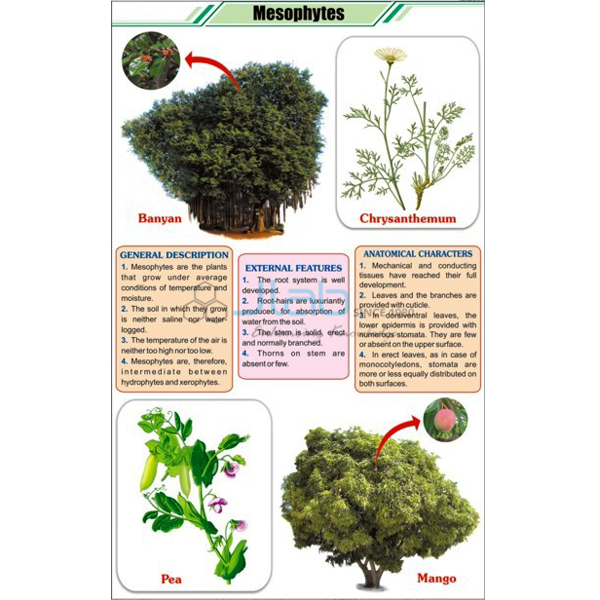
Adaptations to wet, average and dry habitats are compared in school biology and in college ecology, so this chart pairs naturally with the mesophytes and xerophytes charts from the same series. A tray of Hydrilla and a water hyacinth plant let students see the spongy tissues for themselves. Wipe the laminated face with a damp cloth and store the chart rolled.
What to Specify When Ordering
- Quantity — minimum 10 units; the mesophytes and xerophytes charts complete the habitat set.
- Language — English only as listed; ask JLab first about other languages.
- Artwork — ask for a photo of the current print to see which plants are shown.
Frequently Asked Questions
What are hydrophytes?
Plants that grow in water or in very wet soil — wholly submerged, floating, or rooted in mud with their leaves at or above the surface.
How are hydrophytes adapted to life in water?
Mainly through aerenchyma, a tissue with large air spaces that gives buoyancy and stores gases, together with reduced roots, a thin or absent cuticle, little strengthening tissue and, in floating leaves, stomata on the upper surface.
What are some examples of hydrophytes?
Hydrilla and Vallisneria (submerged), water hyacinth, Pistia and Lemna (free-floating), water lily and lotus (rooted with floating leaves) and Typha (emergent).
Who supplies the Hydrophytes Chart?
JLab (Jain Laboratory Instruments Pvt Ltd) of Ambala, Haryana, India, which quotes for it directly.
Supplier
This chart comes from JLab, the trading name of Jain Laboratory Instruments Pvt Ltd, a company incorporated in 2017 and based on Hargolal Road, Ambala, Haryana. JLab’s own catalogue covers botany lab equipment and general school laboratory apparatus, and it supplies wall charts alongside them, so an ecology or biology class can be equipped through one enquiry. Each chart is inspected visually before dispatch, and the same team handles repeat orders. JLab sends shipments worldwide — to New Zealand in Oceania, Belgium in Western Europe, Chad in Central Africa, Kyrgyzstan in Central Asia and Mauritius in East Africa, for instance. Tender information is on the JLab lab tenders page.
Charts on Plant Habitats and Water Plants
- Mesophytes Chart — plants of habitats with a moderate water supply.
- Xerophytes Chart — plants of dry habitats, the opposite extreme.
- Algae Chart — the mostly aquatic algae.
- Spirogyra Chart — a green alga common in freshwater ponds.
Every other title is in the Botany Charts series of the Charts range.
Request a Quote
JLab provides quotations directly. Use the Add To Cart enquiry button, or send the quantity (minimum 10 units), the habitat charts you need and your delivery address or port via the contact page.
Last updated: 3 October 2026