Main Cylinder Air Cooled Manufacturer,Supplier and Exporter in India
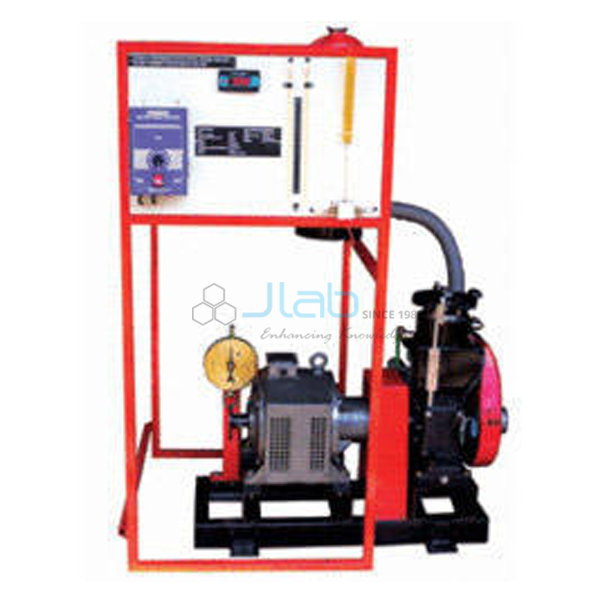
Product Code : EL-TELE-9438
Jlab Export is a leading Main Cylinder Air Cooled Manufacturer,and suppliers in India
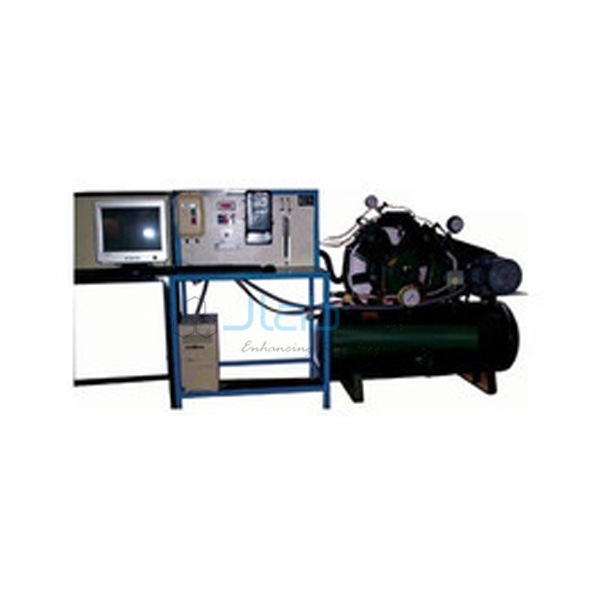
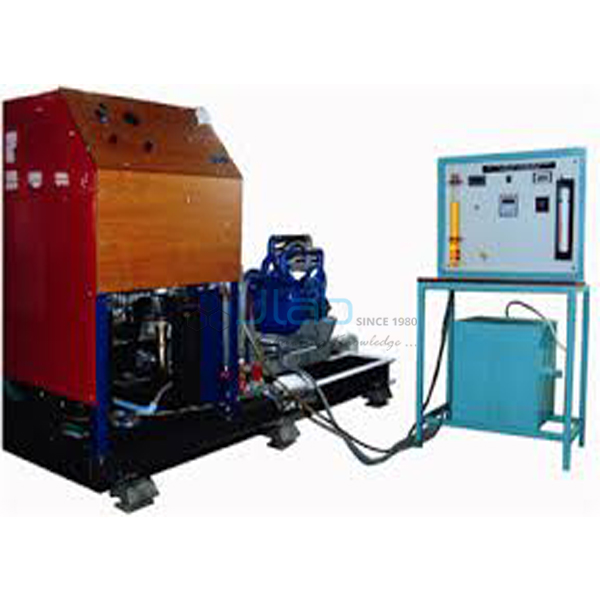
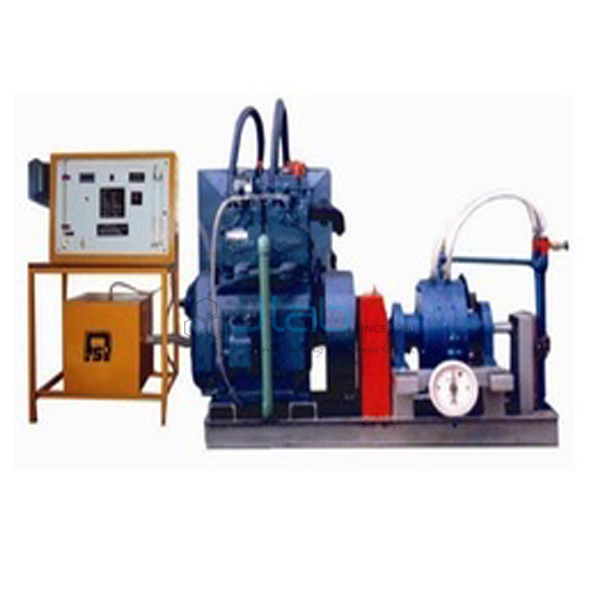
This test rig gives a lab a self-contained set-up for teaching how a compression ignition engine works. It is built around a single cylinder, four stroke, vertical diesel engine that develops 5 HP at 1500 rpm. The rig is instrumented for three experiments: brake horsepower, brake thermal efficiency and air intake measurement.
Specifications
| Engine | Single cylinder, four stroke, vertical diesel |
| Rated output | 5 HP at 1500 rpm |
| Ignition | Compression ignition |
| Experiments | Brake horsepower, brake thermal efficiency, air intake measurement |
| Electrical supply | 230 V, single phase, 50 Hz AC |
| Minimum order quantity | 1 unit |
| Dispatch time | Usually 14–18 working days |
| Manufacturer | JLab (Jain Laboratory Instruments Pvt Ltd), Ambala, India |
Diesel Engine Practicals for Students
The usual practical is a load test at the rated speed. Students add load in steps from no load to full load and note the speed and the brake load at each step. Brake power then follows from BP = 2πNT/60000 kW, with N in rpm and T in N m. A Digital Stopwatch times the fuel used at each load, which gives the fuel flow.
With brake power and fuel flow known, they work out brake thermal efficiency and specific fuel consumption, then plot both against load. The air intake reading adds the air-fuel ratio and the volumetric efficiency. Before the first run, students can follow the four strokes on a Diesel Engine Model. A Diesel Fuel Pump Actual Cut Section shows how the fuel is pumped to the injector.
Frequently Asked Questions
What engine is fitted to this test rig?
A single cylinder, four stroke, vertical diesel engine rated at 5 HP, about 3.7 kW, at 1500 rpm. As a four stroke engine, it fires once in every two turns of the crankshaft.
Why does a diesel engine need no spark plug?
The piston compresses only air, and the compression heats that air above the temperature at which diesel ignites. Fuel sprayed into the hot air near the end of the compression stroke then burns on its own. This compression ignition principle is what the rig is built to teach.
How is brake thermal efficiency worked out?
Divide the brake power by the heat supplied in the fuel each second. The heat supplied is the fuel mass flow in kg/s times the calorific value of diesel in kJ/kg. Plotted against load, the efficiency rises from no load and usually peaks close to full load.
What does the air intake measurement tell students?
It gives the mass of air the engine takes in. Compared with the swept volume at the running speed, it gives volumetric efficiency. Compared with the fuel flow, it gives the air-fuel ratio, which falls as load rises because a diesel engine meets extra load with more fuel, not more air.
What is the difference between brake power and indicated power?
Brake power is the output at the crankshaft, the figure this rig measures. Indicated power is the power the gas develops on the piston inside the cylinder. The gap between them is friction power, and brake power divided by indicated power gives the mechanical efficiency.
Other Engine Test Rigs
- Single Cylinder Four Stroke Diesel Engine Test Rig (rope brake dynamometer)
- Two Cylinder Four Stroke Diesel Engine Test Rig
- Variable Compression Ratio Engine Test Rig
For a quote, use Add To Cart or send us a message through the contact page.
Last updated: 5 November 2026