Single Cylinder Four Stroke Diesel Engine Test Rig Manufacturer,Supplier and Exporter in India
Product Code : EL-TELE-9433
Jlab Export is a leading Single Cylinder Four Stroke Diesel Engine Test Rig Manufacturer,and suppliers in India
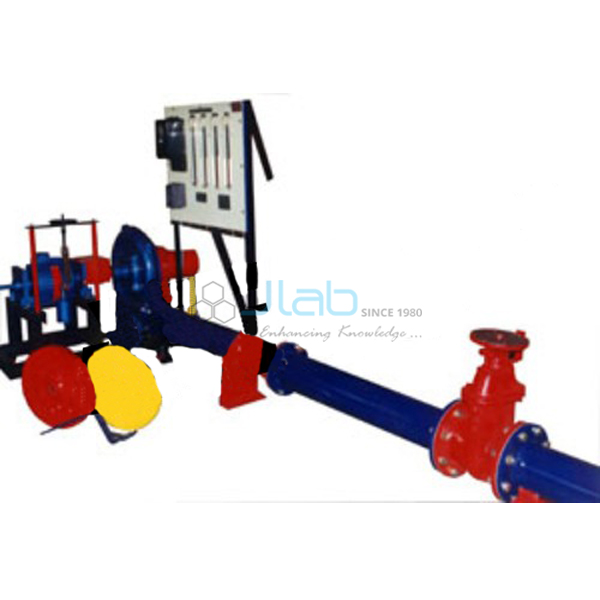
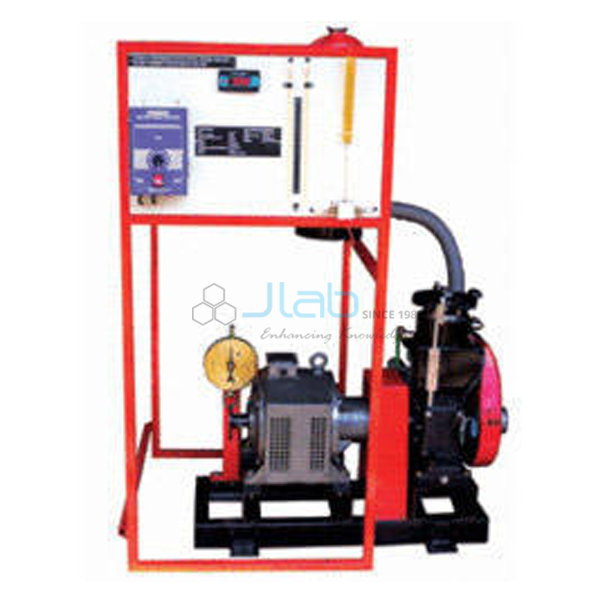
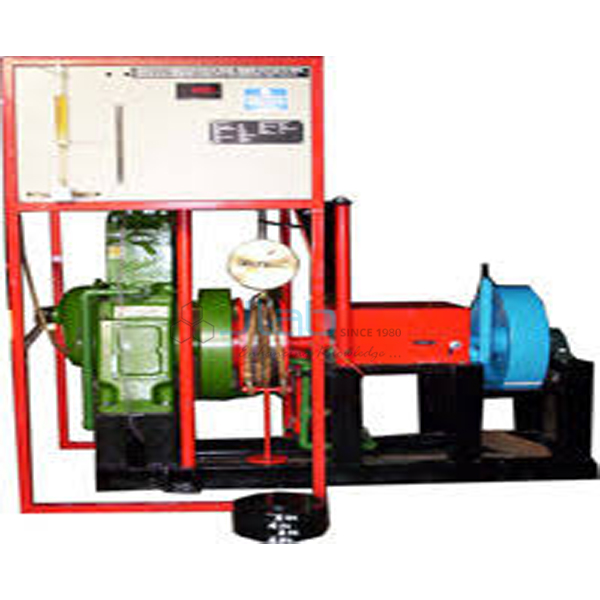
A rope brake on a single cylinder diesel engine is the classic first IC engine practical, and this rig sets it up on a welded steel base plate. The rope brake dynamometer has its own cooling water arrangement. The panel board carries the fuel system with burette flow measurement, an air flow measurement system and temperature and speed indicators.
Specifications
| Engine | Single cylinder, four stroke, diesel (compression ignition) |
| Base | Welded steel base plate |
| Dynamometer | Rope brake, with cooling water arrangement |
| Panel board | Fuel system with burette flow measurement, air flow measurement system, temperature and speed indicator |
| Experiments | Brake power, brake thermal efficiency, fuel consumption, air intake measurement |
| Minimum order quantity | 1 unit |
| Dispatch time | Usually 14–18 working days |
| Manufacturer | JLab (Jain Laboratory Instruments Pvt Ltd), Ambala, India |
Rope Brake Experiments on the Diesel Engine
Students load the engine by hanging dead weights on the rope and read the spring balance once the speed settles. Brake torque is T = (W - S) x R, where R is the effective radius: half the drum diameter plus half the rope diameter. Brake power is BP = 2πNT/60000 kW, with N taken from the speed indicator.
At each load they time a set volume of fuel from the burette with a Digital Stop Watch and note the air flow. The results give brake specific fuel consumption, brake thermal efficiency, air-fuel ratio and volumetric efficiency against brake power. Before testing, the injector can be checked for opening pressure and spray pattern on a Diesel Injector Tester. The 4 Stroke 1 Cylinder Diesel Engine Motor Driven cut section shows the parts at work.
Frequently Asked Questions
What does the cooling water on the brake drum do?
The rope brake turns the whole engine output into friction heat at the drum. Cooling water at the drum carries that heat away, so the rope does not char and the drum stays at a steady temperature through a long test.
How is brake thermal efficiency worked out?
Divide brake power by the heat supplied, which is the fuel mass flow in kg/s times the calorific value of the diesel in kJ/kg. The fuel mass flow comes from the burette volume, the time taken and the fuel density.
Can a Morse test be done on this engine?
No. The Morse test cuts out cylinders one at a time, so it needs a multi cylinder engine. Here a Willans line gives friction power instead. Plot fuel flow against brake power at constant speed and extend the line to zero fuel flow. Its intercept behind zero on the brake power axis is the friction power.
Why does a diesel engine use less fuel than a petrol engine of similar size?
It runs at a much higher compression ratio and controls power by the amount of fuel injected rather than by throttling the air. Both raise brake thermal efficiency, so students usually record a lower specific fuel consumption than on a petrol rig.
Other Diesel Engine Test Rigs
- Two Cylinder Four Stroke Diesel Engine Test Rig
- Variable Compression Ratio Engine Test Rig
- Multi Cylinder Four Stroke Water Cooled Diesel Engine Test Rig
- Diesel Engine Test Bed
For a quote, use Add To Cart or send us a message through the contact page.
Last updated: 5 November 2026