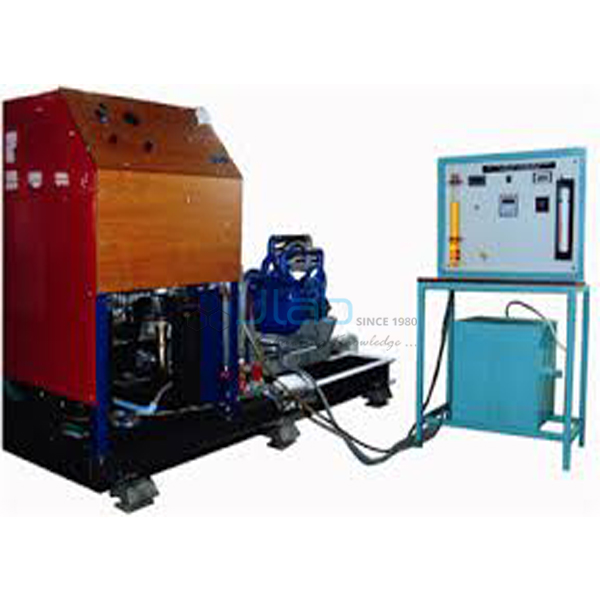
Variable Compression Ratio Engine Test Rig Manufacturer,Supplier and Exporter in India

Product Code : EL-TELE-9432
Jlab Export is a leading Variable Compression Ratio Engine Test Rig Manufacturer,and suppliers in India
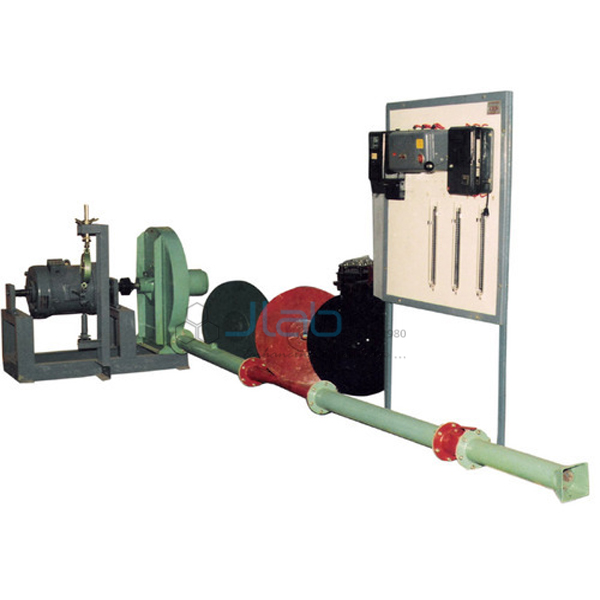
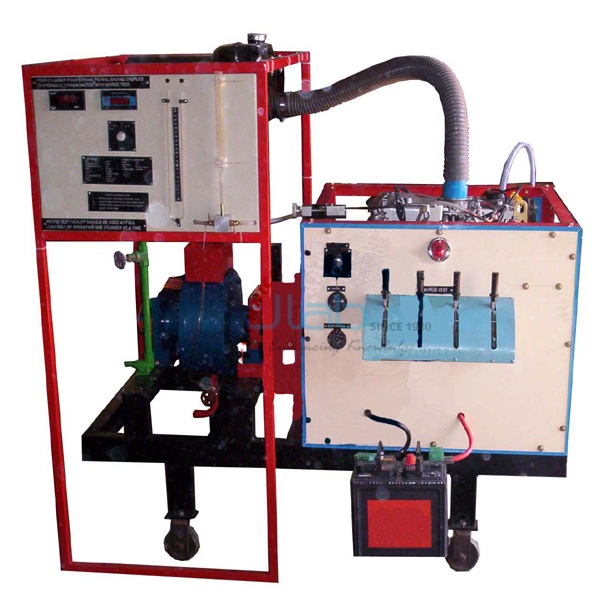
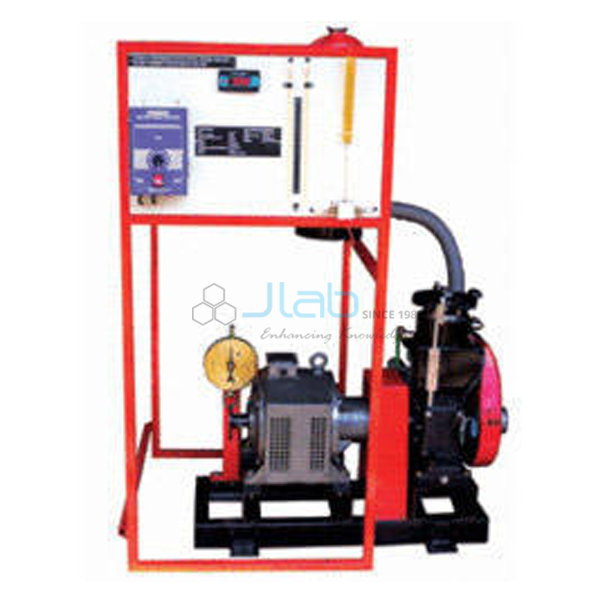
Changing the compression ratio of a running engine and watching the efficiency move is the point of this test rig. It is built for teaching compression ignition engine principles. On its welded steel base plate the engine drives a rope brake, an AC or DC generator, or an eddy current dynamometer, with cooling water. Fuel is timed by burette on the panel board, which also measures air flow and shows temperature and speed.
Specifications
| Engine type | Compression ignition, variable compression ratio |
| Base | Welded steel base plate |
| Dynamometer options | Rope brake, AC or DC generator, or eddy current dynamometer, with cooling water arrangement |
| Panel board | Fuel system with burette flow measurement, air flow measurement system, temperature and speed indicator |
| Experiments | Brake power, brake thermal efficiency, air intake measurement |
| Minimum order quantity | 1 unit |
| Dispatch time | Usually 14–18 working days |
| Manufacturer | JLab (Jain Laboratory Instruments Pvt Ltd), Ambala, India |
Compression Ratio Experiments for Engine Labs
The main experiment is the effect of compression ratio on performance. Students set one compression ratio, run the engine at constant speed and load, and record brake power, burette fuel flow and air flow. They repeat the readings at each compression ratio setting and plot brake thermal efficiency against compression ratio.
A second run at a fixed compression ratio, with load raised in steps, gives the usual performance curves against brake power. The fuel calorific value can be found with a Digital Bomb Calorimeter, and the burette is timed with a Digital Stop Watch. Before the first run, a 4 Stroke 1 Cylinder Diesel Engine cut section helps explain how compression ignition works.
What the Compression Ratio Changes
Compression ratio is the cylinder volume with the piston at bottom dead centre divided by the clearance volume at top dead centre. Air-standard theory says a higher ratio gives a higher cycle efficiency. On a real engine the gain in brake thermal efficiency shrinks at the top of the range, as friction and heat losses grow. The plotted results let students see this for themselves.
Frequently Asked Questions
Is this a petrol or a diesel engine rig?
It is set up for teaching compression ignition engine principles. The engine runs on diesel and the fuel lights from the heat of the compressed air, with no spark plug.
Which dynamometer should I choose?
A rope brake is the simplest and shows load as dead weight minus spring balance reading. An AC or DC generator absorbs the output electrically. An eddy current dynamometer gives the smoothest load control for repeat runs at each compression ratio.
How is the air intake reading used?
The air flow measurement system gives the mass of air drawn in. With the fuel flow it gives the air-fuel ratio, and compared with the swept volume it gives volumetric efficiency at each compression ratio.
How does it differ from the single cylinder diesel engine rig?
The Single Cylinder Four Stroke Diesel Engine Test Rig runs at one compression ratio on a rope brake. This rig can change its compression ratio, so one engine shows how the ratio affects efficiency.
Other Diesel Engine Rigs and Test Tools
- Two Cylinder Four Stroke Diesel Engine Test Rig
- Diesel Engine Test Bed
- Diesel Injector Tester
- Diesel Engine Compression Tester
For a quote, use Add To Cart or send us a message through the contact page.
Last updated: 5 November 2026