Air Compressor Test Rig Manufacturer,Supplier and Exporter in India
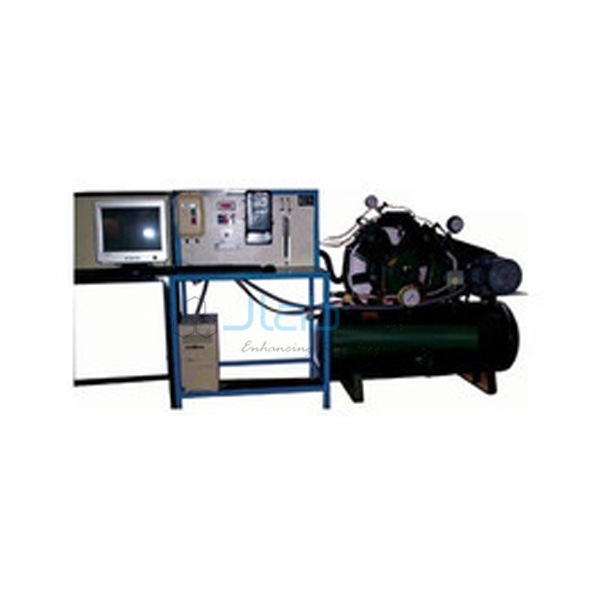
Product Code : EL-TELE-9435
Jlab Export is a leading Air Compressor Test Rig Manufacturer,and suppliers in India
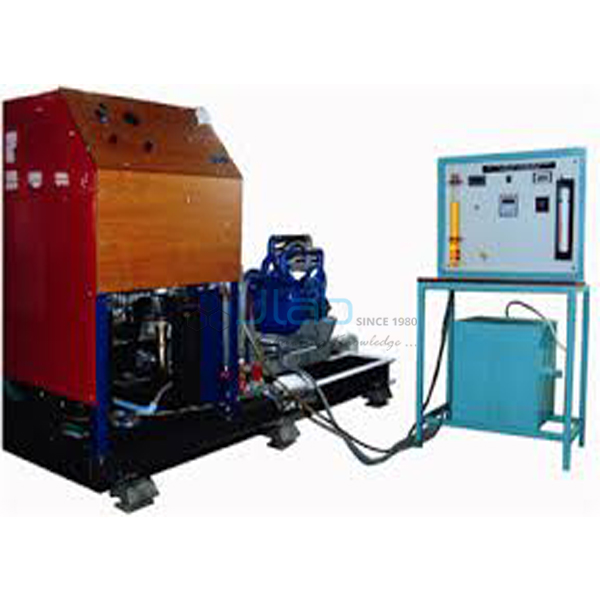
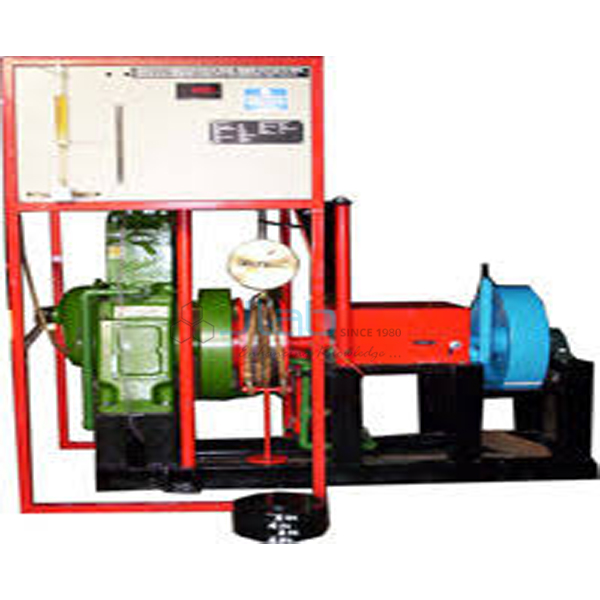
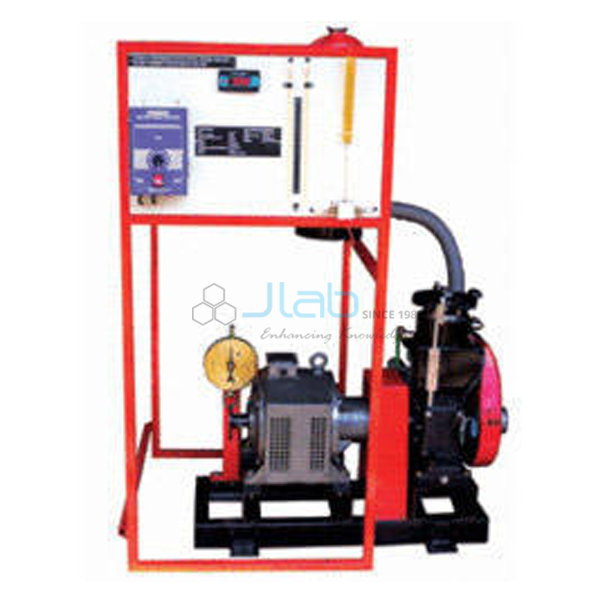
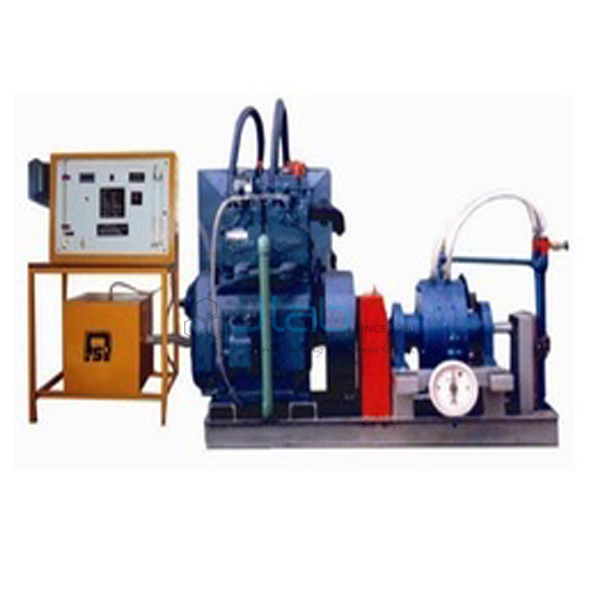
How much free air a compressor really delivers against a set tank pressure is what this test rig measures. A two stage, twin cylinder compressor driven by a 3 HP, three phase motor is mounted on a storage tank. It displaces about 300 LPM and works against up to 12 kg/cm². An orifice tank with a manometer measures the air it draws in.
Specifications
| Compressor | Two stage, twin cylinder |
| Motor | 3 HP, three phase |
| Displacement | About 300 LPM |
| Maximum working pressure | 12 kg/cm² |
| Mounting | On a storage tank |
| Controls | Pressure switch, suction filter, safety valve, pressure gauge, water drain valve, air delivery valve |
| Air intake measurement | Orifice tank with orifice plate, manometer with pressure tapings |
| Instruments | Digital temperature indicator for suction and delivery temperatures, stage pressure gauges |
| Minimum order quantity | 1 unit |
| Dispatch time | Usually 14–18 working days |
| Manufacturer | JLab (Jain Laboratory Instruments Pvt Ltd), Ambala, India |
Compressor Test Experiments for Students
The usual practical runs the compressor at several delivery pressures. Students let the tank pressure build and hold it steady with the air delivery valve. They then read the orifice manometer, the stage pressure gauges and the suction and delivery temperatures. The room air pressure from an Aneroid Barometer gives the air density for the orifice flow.
From the manometer head they work out the free air delivered and compare it with the swept volume to get volumetric efficiency. From the same readings they work out the isothermal work for that air flow and pressure ratio, the least work any compressor could need. Plotted against delivery pressure, volumetric efficiency falls as the pressure rises, because more clearance air re-expands each stroke. A Reciprocating Compressor (Actual Cut Section) shows the pistons and valves before the run.
Frequently Asked Questions
Why compress the air in two stages?
Each stage handles a smaller pressure ratio, so the air leaves each cylinder cooler than it would from one stage working up to 12 kg/cm². Cooling the air between stages brings the total work closer to the isothermal ideal. The stage pressure gauges let students read the pressure after the first stage.
What is the difference between volumetric and isothermal efficiency?
Volumetric efficiency compares the free air actually delivered with the swept volume of the first stage. Isothermal efficiency compares the work an ideal isothermal compression would need with the power actually supplied. The first describes breathing, the second the energy cost.
How is the air drawn in measured?
The compressor takes its air through an orifice tank fitted with an orifice plate. A manometer across the pressure tapings reads the pressure drop, and from it students work out the volume of air sucked in.
What do the pressure switch and safety valve do?
The pressure switch stops the motor when the tank reaches its set pressure and starts it again when the pressure falls. The safety valve opens if the pressure goes past its setting. Drain the water from the tank through the drain valve after each session.
How does it compare with the Two Stage Air Compressor Test Rig?
Both test two stage machines. This rig has a 3 HP motor, a digital temperature indicator for suction and delivery, and stage pressure gauges. The Two Stage Air Compressor Test Rig measures its power input with an energy meter.
Other Compressor Rigs and Blowers
- Single Stage Air Compressor Test Rig
- Rotary Air Compressor Test Rig
- Two-Stage Compressor
- Air Blower Test Rig
For a quote, use Add To Cart or send us a message through the contact page.
Last updated: 5 November 2026