Rain Gauge with Plastic Measuring Cylinder Manufacturer,Supplier and Exporter in India
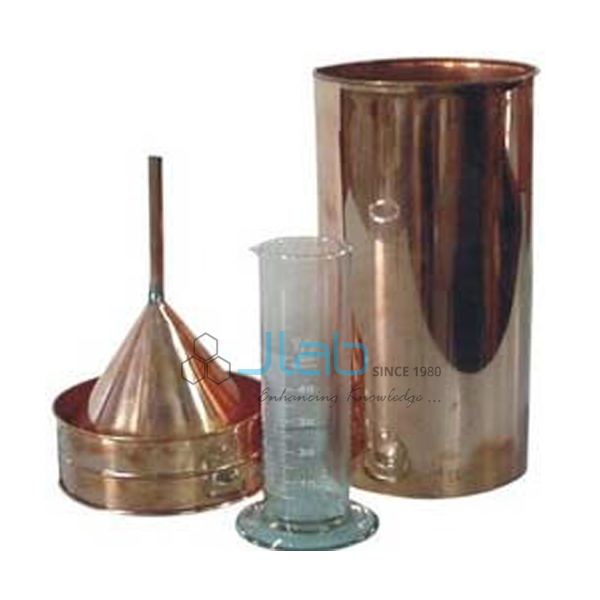
Product Code : EL-SLE-4693
Jlab Export is a leading Rain Gauge with Plastic Measuring Cylinder Manufacturer,and suppliers in India
Rain Gauge with Plastic Measuring Cylinder (code EL-SLE-4693) is a rain gauge made from GI (galvanised iron) sheet, used to measure the amount of precipitation over a set period of time in school weather stations, geography practicals and field projects. Rain collected by the gauge is poured into the plastic measuring cylinder that comes with it, so students can record daily or weekly rainfall. It is made by Jain Laboratory Instruments Pvt Ltd (JLab) at its works in Ambala, India.
Get a quote: use the Add To Cart enquiry button below, or send your quantity and destination through the contact page.
Specifications
| Parameter | Detail |
|---|---|
| Type | Rain gauge with plastic measuring cylinder |
| Body material | GI (galvanised iron) sheet |
| Measuring cylinder | Plastic |
| Measures | Amount of precipitation over a set period of time |
| Funnel size and cylinder graduation | Not stated in this listing — ask JLab to confirm them with your quotation |
| Quality check | Each rain gauge is visually inspected before dispatch |
| Pack quantity | Each (sold individually) |
| Minimum order quantity | 10 units |
| Dispatch time | Usually 7–10 working days |
| Product code | EL-SLE-4693 |
| Manufacturer | Jain Laboratory Instruments Pvt Ltd (JLab) — OEM |
| Country of origin | India (made in Ambala, Haryana) |
How Does It Compare with Other JLab Rain Gauges?
| Model | Body (as listed) | Measure and size (as listed) |
|---|---|---|
| This rain gauge (EL-SLE-4693) | GI sheet | Plastic measuring cylinder; sizes not stated |
| Copper Rain Gauge | Copper, BA pattern, 127 mm funnel | Glass measuring cylinder graduated 0 to 10 mm x 0.1 mm |
| Rain Gauge | Translucent material | Calibrated in millimetres and inches; 210 x 100 mm (dia.) |
| Rain Gauge (case type) | Case with removable lid | Plastic calibrated jar marked in centimetres |
Choose this gauge when you want a galvanised metal collector and a plastic measure, which is less likely than glass to break in student hands. The copper BA-pattern gauge suits weather stations that want a glass measure read to 0.1 mm, and the translucent gauge is calibrated on its own body.
What Is the Rain Gauge Used For?
A rain gauge catches the rain falling on a known opening and holds it so that it does not evaporate before it is measured. At the same time each day, or at the end of the chosen period, the water is poured into the measuring cylinder and the amount of rainfall is read off. If the cylinder is marked in millimetres of rain, the reading is the rainfall directly; if it is marked in millilitres, the rainfall in millimetres equals the volume in millilitres divided by the funnel area in square centimetres, multiplied by 10. Students use the readings to keep a weather diary, compare rainfall between seasons and places, and draw rainfall graphs in geography, environmental science and science lessons on weather and climate.
Set the gauge on open, level ground, well away from trees, walls and roofs that could shelter it or splash water into it, and keep the rim level. Empty it after every reading, keep the funnel free of leaves and dust, and store the plastic cylinder out of strong sunlight when it is not in use. The galvanised sheet resists rust, but rinse off mud and let the gauge dry before storing it.
What to Specify When Ordering
- Quantity — the minimum order is 10 units; schools often set up one gauge per weather station or per group.
- Funnel size and cylinder markings — ask JLab to confirm the collector diameter and whether the cylinder is marked in millimetres of rain or in millilitres.
- Other weather instruments — a weather vane and an anemometer can be added to the same enquiry for a complete school weather station.
Frequently Asked Questions
What is this rain gauge used for?
It measures the amount of precipitation over a set period, such as a day or a week, for school weather stations, geography practicals and environmental projects.
What is it made of?
The gauge is made from GI (galvanised iron) sheet and comes with a plastic measuring cylinder. The funnel size and the cylinder graduation are not stated in the listing, so ask JLab to confirm them.
How do I read the rainfall?
Pour the collected water into the measuring cylinder and read the level. A scale in millimetres of rain gives the rainfall directly; for a millilitre scale, divide the volume by the funnel area in square centimetres and multiply by 10 to get millimetres.
Where should the rain gauge be placed?
On open, level ground away from trees and buildings, with the rim level, so that it catches only the rain falling straight into it. Read it at the same time every day.
How does it differ from the copper rain gauge?
The copper rain gauge is a BA-pattern gauge with a 127 mm funnel and a glass measure graduated 0 to 10 mm x 0.1 mm. This gauge has a GI sheet body and a plastic measuring cylinder.
What is the minimum order and dispatch lead time?
The minimum order is 10 units, each sold individually. Orders usually leave within 7–10 working days, after each gauge is visually inspected; export transit time depends on the destination and shipping method.
Who manufactures this rain gauge?
Jain Laboratory Instruments Pvt Ltd (JLab) makes it at its works in Ambala, Haryana, India, and quotes for it directly as the manufacturer.
OEM Manufacturer
JLab is the trading name of Jain Laboratory Instruments Pvt Ltd, a geography and school science lab equipment manufacturer in India, incorporated in 2017 and based on Hargolal Road, Ambala, Haryana. This rain gauge is fabricated at JLab’s own works from GI sheet, not bought in from a trader, so schools, colleges, dealers and importers buy it factory-direct, each gauge is visually inspected before dispatch, and repeat orders and spare cylinders are handled by the manufacturer. JLab exports worldwide and ships to buyers in every region — for example Cambodia in Southeast Asia, the UK in Western Europe, South Africa in Southern Africa, Guinea in West Africa and the Maldives in South Asia. Tender buyers can refer to the JLab lab tenders page.
Related Weather Instruments
- Copper Rain Gauge — a BA-pattern copper gauge with a glass measure.
- Rain Gauge Spare Measure Glass — a spare glass measure for the BA-pattern gauge.
- Weather Vane — a wind vane on a metal stand for recording wind direction.
- Anemometer — a hand-held instrument for wind speed and air temperature.
See all instruments in the Weather Equipment range and the School Lab Equipment range.
Request a Quote
Quotes come direct from the manufacturer. Use the Add To Cart enquiry button on this page, or send the quantity (minimum 10 units), any other weather instruments you need, and your delivery location through the contact page.
Last updated: 4 October 2026