Micrograph, Spotted Fever and Rickettsia Disease Model Manufacturer,Supplier and Exporter in India

Product Code : EL-BE-6208
Jlab Export is a leading Micrograph, Spotted Fever and Rickettsia Disease Model Manufacturer,and suppliers in India
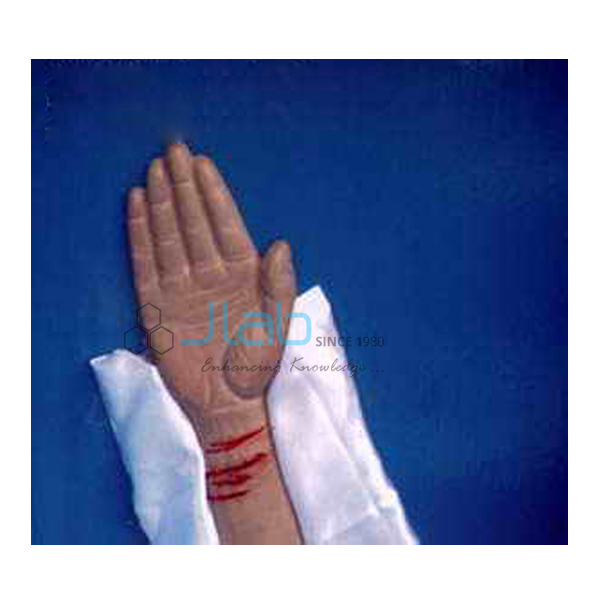
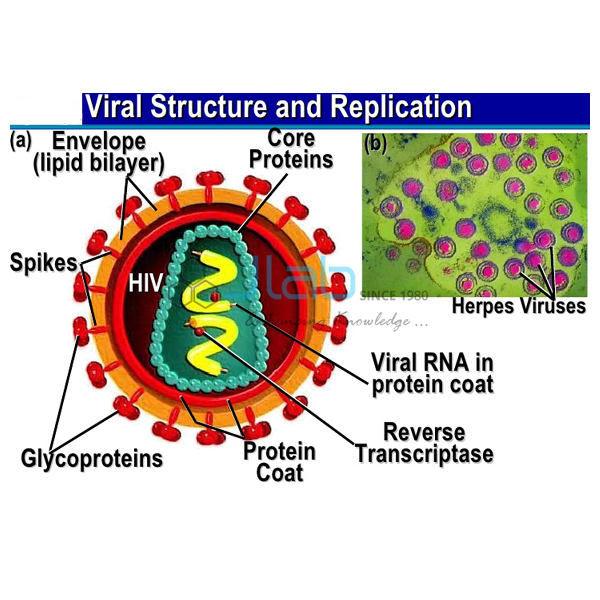
Micrograph, Spotted Fever and Rickettsia Disease Model (code EL-BE-6208) is a microbiology teaching model on the rickettsiae — tiny bacteria that live inside host cells and are spread by ticks, lice, fleas and mites. Its original heading lists classification, a micrograph, spotted fever and rickettsial disease. Jain Laboratory Instruments Pvt Ltd (JLab) makes it at its works in Ambala, India.
Specifications
| Parameter | Detail |
|---|---|
| Topics (from the original heading) | Classification, micrograph, spotted fever and rickettsial disease |
| Suggested courses | Undergraduate microbiology, medical, nursing and public-health teaching |
| Parts, labels, size and material | Not described in this listing — ask for a description and photo with your quote |
| Quality check | Each model is visually inspected before dispatch |
| Pack quantity | Each (sold individually) |
| Minimum order quantity | 10 units |
| Dispatch time | Usually 7–10 working days |
| Product code | EL-BE-6208 |
| Manufacturer | Jain Laboratory Instruments Pvt Ltd (JLab) — OEM |
| Country of origin | India (made in Ambala, Haryana) |
What Is the Rickettsia Disease Model Used For?
Rickettsiae are very small Gram-negative bacteria that, like viruses, can multiply only inside living cells. They reach people through an arthropod bite or the vector’s faeces rubbed into the skin, then infect the cells lining small blood vessels; the inflamed, leaky vessels explain the fever, headache and rash.
The usual classification separates the spotted fever group — Rickettsia rickettsii, the cause of Rocky Mountain spotted fever, and R. conorii, the cause of Mediterranean spotted fever and Indian tick typhus, both carried by ticks — from the typhus group: R. prowazekii, which causes epidemic typhus and is spread by the body louse, and R. typhi, which causes murine typhus and is spread by rat fleas. Scrub typhus, caused by Orientia tsutsugamushi and passed on by larval mites (chiggers), was once placed in the same genus and is taught alongside it. In micrographs stained by the Giemsa or Gimenez method, rickettsiae appear as tiny rods inside infected cells.
Frequently Asked Questions
What does the rickettsia model cover?
Classification, a micrograph, spotted fever and rickettsial disease, according to its original heading. The parts, labels, size and material are not listed, so ask JLab for a description and photo before ordering.
Why can rickettsiae not be grown on ordinary culture media?
They depend on the host cell for energy and nutrients. Specialised laboratories grow them in cell cultures, embryonated eggs or laboratory animals instead.
Can it be taught with vector models?
Yes. JLab’s tick and body louse models, linked below, show two of the vectors named above.
OEM Manufacturer
JLab is the trading name of Jain Laboratory Instruments Pvt Ltd, an Indian maker of biology lab equipment and microbiology teaching models, incorporated in 2017 and based on Hargolal Road, Ambala, Haryana. This model comes from JLab’s own works, not from a trading house, so buyers deal directly with the manufacturer. The company holds MSME Udyam registration UDYAM-HR-01-0003849 as a manufacturing enterprise and Importer-Exporter Code 3317504552. JLab exports worldwide and ships to buyers in every region — for example South Africa in Southern Africa, Congo in Central Africa, the USA in North America, the Netherlands in Western Europe and Libya in North Africa.
Vector and Intracellular Bacteria Models
- Life Cycle of Hard and Soft Tick Model — the ticks that carry spotted fever rickettsiae.
- P Corporis with Egg Model — the human body louse, vector of epidemic typhus.
- Reproduction Cycle of Chlamydia Model — another bacterium that multiplies only inside host cells.
- Bacteria Structure Model — the parts of a typical bacterial cell.
More teaching models are listed under Biology Equipment in the Biology Lab Equipment range.
Request a Quote
For a quote from the manufacturer, use Add To Cart or the contact page with the quantity (minimum 10 units) and the delivery destination.
Last updated: 4 October 2026