PN Junction and Zener Diode Characteristics Apparatus Forward and Reverse V-I Characteristics Manufacturer,Supplier and Exporter in India
Product Code : EL-SCD-1085
Jlab Export is a leading PN Junction and Zener Diode Characteristics Apparatus Forward and Reverse V-I Characteristics Manufacturer,and suppliers in India
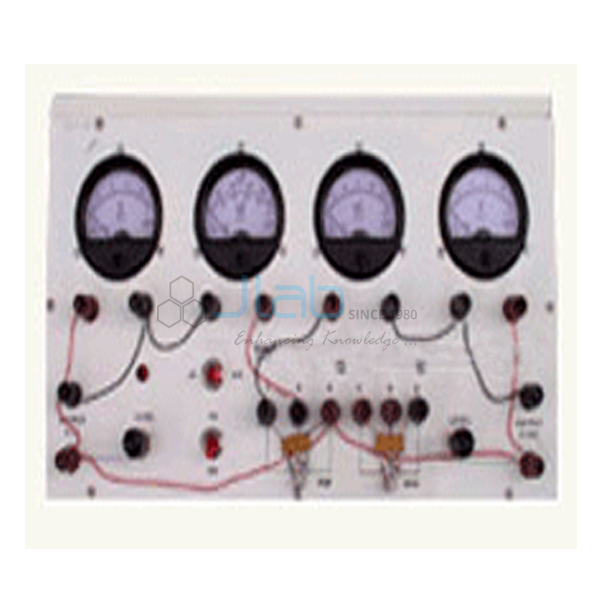
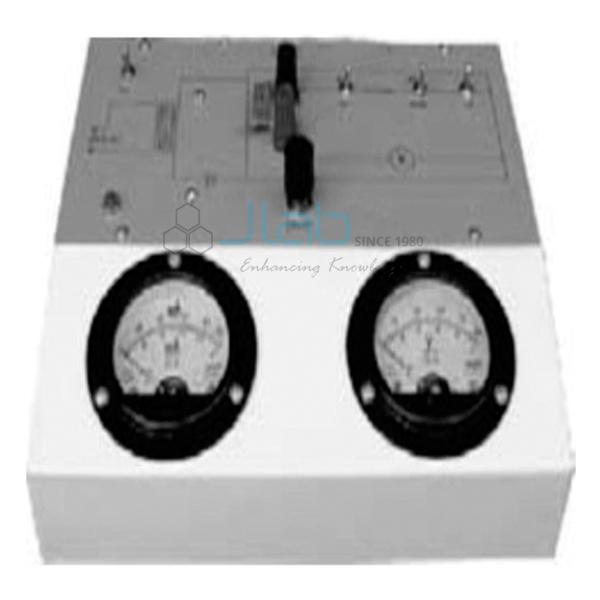
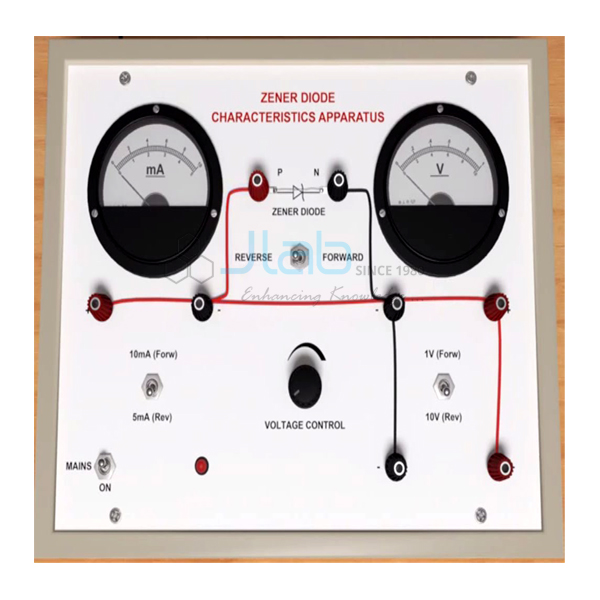
PN Junction and Zener Diode Characteristics Apparatus Forward and Reverse V-I Characteristics (code EL-SCD-1085) is a semiconductor diode kit that lets students plot the forward and reverse characteristics of a PN junction diode and a zener diode on one bench and compare them directly. Both diodes are mounted, with two DC power supplies and two double-range meters for voltage and current, all wired to terminals. It is made by Jain Laboratory Instruments Pvt Ltd (JLab) at its works in Ambala, India.
Get a quote: use the Add To Cart enquiry button below, or send your quantity and destination through the contact page.
Specifications
| Parameter | Detail |
|---|---|
| Experiments | Forward and reverse characteristics of a PN junction diode and of a zener diode |
| Diodes | PN junction diode and zener diode, mounted |
| DC power supplies | Two |
| Meters | Two double-range meters, for voltage and current |
| Connections | Brought out on terminals |
| Dimensions | 15 x 8 x 4 in (about 38 x 20 x 10 cm) |
| Quality check | Each apparatus is visually inspected before dispatch |
| Pack quantity | Each (sold individually) |
| Minimum order quantity | 10 units |
| Dispatch time | Usually 7–10 working days |
| Product code | EL-SCD-1085 |
| Manufacturer | Jain Laboratory Instruments Pvt Ltd (JLab) — OEM |
| Country of origin | India (made in Ambala, Haryana) |
How Does It Compare with the Single-Diode JLab Apparatus?
| Model | Diodes | Supplies and meters (as listed) |
|---|---|---|
| This apparatus (EL-SCD-1085) | PN junction diode and zener diode | Two DC supplies; two double-range meters |
| Semiconductor Diode and PN Junction Diode Apparatus | PN junction diodes only | Two DC supplies; two meters |
| Zener Diode Characteristics Apparatus | Zener diodes only | One DC regulated supply; two meters |
Choose this combined unit when one bench should cover both diode experiments and show the contrast between them. The single-diode models suit labs that run the two practicals at separate stations.
What Is the PN Junction and Zener Diode Apparatus Used For?
Plotting the two diodes side by side makes their key difference visible. In forward bias both behave alike: almost no current until the knee voltage, then a steep rise. In reverse bias the ordinary PN junction passes only a tiny reverse saturation current over the range used in the practical, while the zener breaks down sharply at its zener voltage and then holds that voltage as the current increases. Students record voltage and current at each step for both devices and both directions, draw the four curves on one sheet, and work out the static and dynamic resistance of the forward-biased junction and the zener resistance from the slope of the breakdown region. The double-range meters help here, because forward currents are far larger than reverse ones.
The PN junction part matches the class 12 physics practical on the I–V characteristic of a p-n junction diode in forward and reverse bias, and the zener part extends it for B.Sc. physics and electronics, diploma and ITI electronics labs. Increase the supply slowly near the knee and near breakdown, select the higher meter range first, and switch off before changing connections.
What to Specify When Ordering
- Supply and meter ranges — the listing gives two DC supplies and double-range meters without values; ask JLab for them if your worksheet depends on set ranges.
- Zener rating and spares — ask for the zener voltage and order spare diodes of both types.
- Quantity — the minimum order is 10 units.
Frequently Asked Questions
Which diodes does this apparatus test?
A PN junction diode and a zener diode, both mounted, each in forward and reverse bias.
Why choose the combined apparatus over separate units?
It puts both diodes on one bench with the same supplies and meters, so students can compare the ordinary junction’s reverse behaviour with the zener’s breakdown directly.
What are the supply voltages and meter ranges?
The listing states two DC power supplies and two double-range meters but not their values. Ask JLab for the figures before you plan readings.
What size is the apparatus?
15 x 8 x 4 inches, about 38 x 20 x 10 cm.
What is the minimum order and dispatch time?
The minimum order is 10 units, and dispatch is usually within 7–10 working days after visual inspection. Export transit depends on the destination and shipping method.
Who manufactures this apparatus?
Jain Laboratory Instruments Pvt Ltd, trading as JLab, makes it at its Ambala works in Haryana, India.
OEM Manufacturer
JLab is the trading name of Jain Laboratory Instruments Pvt Ltd, a physics lab instruments manufacturer in India, incorporated in 2017 and based on Hargolal Road, Ambala, Haryana. This combined diode apparatus is built at JLab’s own works rather than bought from a trader, so schools, colleges, dealers and importers order factory-direct; every unit is visually inspected before it leaves, and repeat orders and replacement diodes are handled by the manufacturer. JLab exports worldwide and ships to buyers in every region — for example the UK in Western Europe, Liberia in West Africa, Cameroon in Central Africa, Guyana in South America and Kazakhstan in Central Asia. Tender buyers can see the JLab lab tenders page.
Related Diode Apparatus
- Semiconductor Diode and PN Junction Diode Apparatus — PN junction diode characteristics with separate forward and reverse supplies.
- Zener Diode Characteristics Apparatus — zener V–I curves on a regulated supply.
- Voltage Stabilization Characteristics of Zener Diode — the zener at work as a voltage regulator.
- Energy Band Gap of PN Junction Diode — reverse saturation current against temperature.
- Training Board for Diode and Zener Diode — germanium diode and zener on digital meters.
See the full Semi Conductor Devices range or all Scientific Instrument apparatus.
Request a Quote
Quotes come direct from the manufacturer. Use the Add To Cart enquiry button, or send the quantity (minimum 10 units), any spare diodes and your delivery location through the contact page.
Last updated: 9 October 2026