Tool Dynamometers Manufacturer,Supplier and Exporter in India
Product Code : EL-TOMLE-10017
Jlab Export is a leading Tool Dynamometers Manufacturer,and suppliers in India
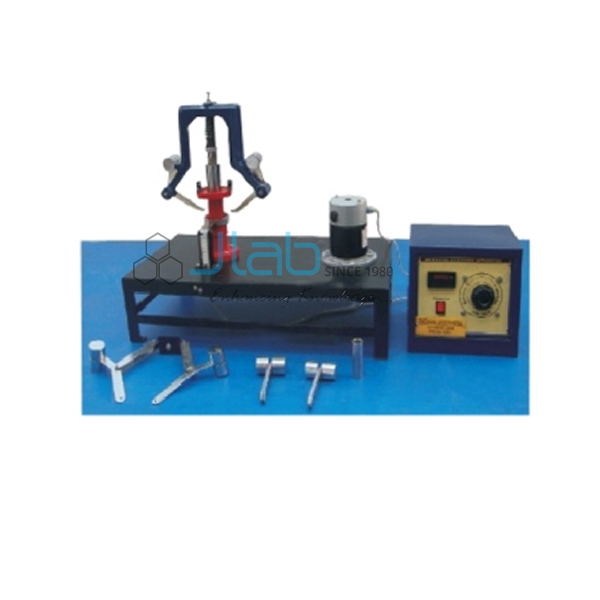
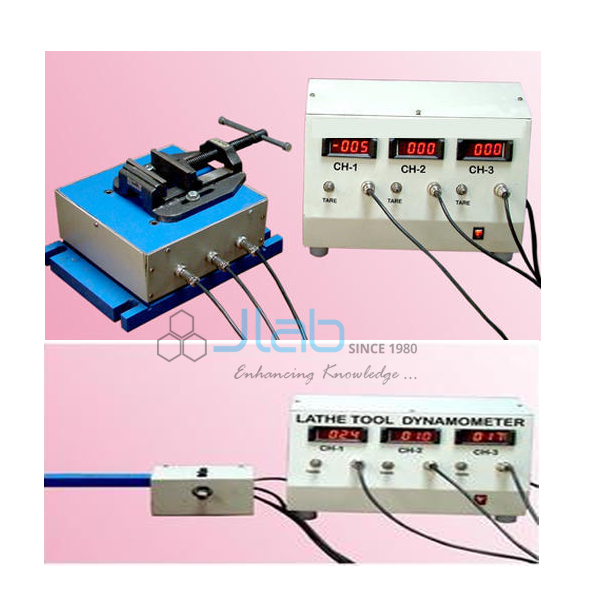
A tool dynamometer measures the cutting forces on a machine tool while the cut is being made. It is a multi-component instrument, so it reads more than one force at the same time. In the lab, its readings are used to check cutting forces worked out from empirical formulas. JLab offers milling, grinder, lathe and drilling versions.
Specifications
| Instrument | Multi-component machine-tool dynamometer |
| Measures | Cutting forces while the machine tool is working |
| Purpose | Experimental check of empirical cutting-force calculations |
| Versions | Milling, grinder, lathe and drilling tool dynamometers |
| Minimum order quantity | 1 unit |
| Dispatch time | Usually 7–10 working days |
| Manufacturer | JLab (Jain Laboratory Instruments Pvt Ltd), Ambala, India |
Machining Lab Practicals with Dynamometers
In a machine tools lab, students fix the dynamometer to the machine and take a series of cuts. Between cuts they change one setting at a time: feed, cutting speed or depth of cut. They note each force reading, plot it against the setting and compare the curve with the value from the textbook formula. From the main cutting force and the cutting speed they can also work out the power used at the tool.
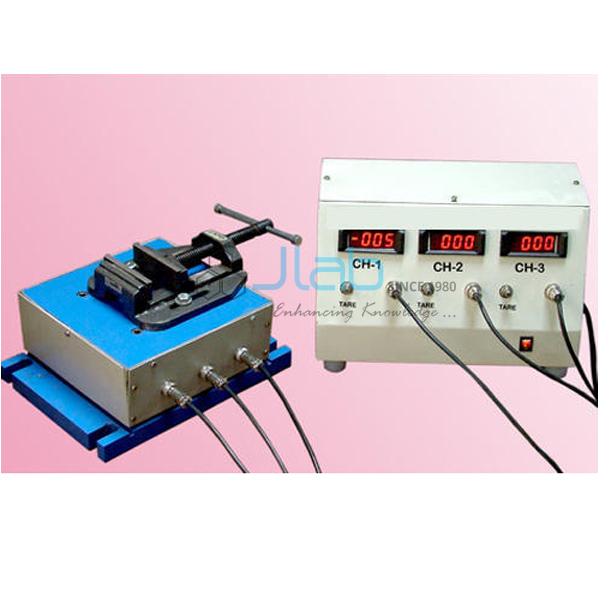
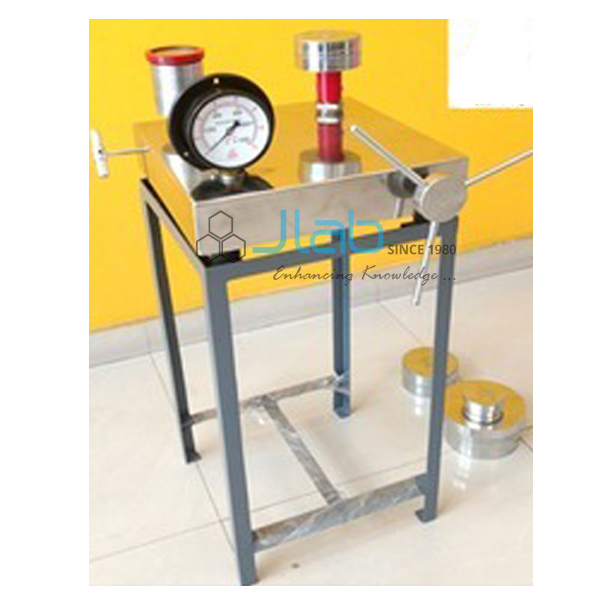
The lathe version mounts on the cross slide of a Center Lathe Machine and reads two force components in turning. The milling version sits on the table of a Universal Milling Machine and reads three. For drilling, the job is held on the sensing unit under the spindle of an Upright Drilling Machine, and thrust and torque are read together. On a High Precision Surface Grinder, the grinder version shows two forces rising as the down-feed is increased.
Frequently Asked Questions
What forces does a tool dynamometer measure?
It depends on the operation. A lathe dynamometer reads the vertical and horizontal forces on the tool, and a milling dynamometer reads forces in three directions. A grinding unit reads two forces, and a drilling unit reads thrust and torque.
Why measure cutting forces if formulas can estimate them?
Empirical formulas give only an estimate for a given material, tool and cut. Measuring the forces on the machine shows how close that estimate is, and how the force really changes with feed, speed and depth of cut.
Which dynamometer suits my machine?
Pick the version that matches the operation. The Lathe Tool is for turning and the Milling Tool for a milling machine. The Grinder Tool suits a surface grinder, and the Drilling Tool a drilling machine.
How are the force readings shown?
The JLab versions carry strain gauges in the sensing unit and use a digital force indicator with one channel for each force. Balancing potentiometers bring each channel to zero before the cut, and the forces are read in kg.
Do I need a separate machine to use it?
Yes. The dynamometer is a measuring unit, not a machine. It is fitted to a lathe, milling machine, surface grinder or drilling machine that the lab already has, and the cut is then made in the usual way.
Tool Dynamometers for Each Operation
- Milling Tool (three-component milling dynamometer)
- Grinder Tool (two-force surface grinding dynamometer)
- Lathe Tool (two-component lathe tool dynamometer)
- Drilling Tool (thrust and torque in drilling)
For a quote, use Add To Cart or send us a message through the contact page.
Last updated: 6 November 2026