Absorption Refrigeration Trainer (Bench Top) Manufacturer,Supplier and Exporter in India

Product Code : EL-TWL-13139
Jlab Export is a leading Absorption Refrigeration Trainer (Bench Top) Manufacturer,and suppliers in India
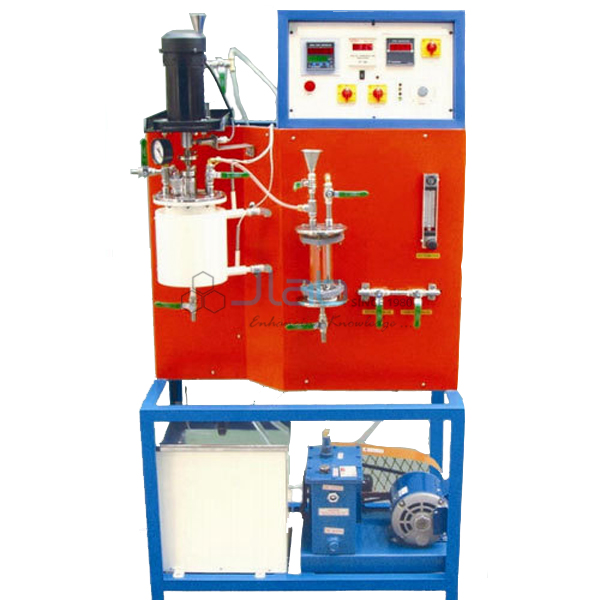
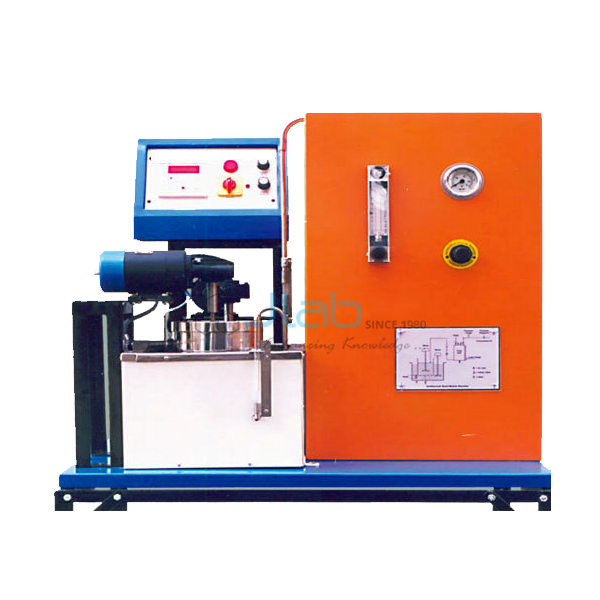
Absorption refrigeration replaces the compressor with heat. A heated generator drives refrigerant out of a solution, and an absorber takes the vapour back in after it has cooled the evaporator. This bench top trainer introduces students to the principles of that cycle. It also shows where absorption systems are used, from recreational vehicle fridges to remote sites far from mains electricity.
Specifications
| Trainer type | Absorption refrigeration |
| Mounting | Bench top |
| Purpose | Familiarising students with the principles of absorption refrigeration systems |
| Minimum order quantity | 1 unit |
| Dispatch time | Usually 14–18 working days |
| Manufacturer | JLab (Jain Laboratory Instruments Pvt Ltd), Ambala, India |
Classroom Demonstrations of the Absorption Cycle
Students trace the cycle in order. In the generator heat drives off the refrigerant vapour, which then passes through the condenser and the evaporator, where the cooling happens. In the absorber the vapour dissolves back into the solution. They then compare it with the vapour compression cycle on the Refrigeration Test Rig, where a compressor does the work that heat does here.
A second lesson looks at energy. The class compares the heat that drives the generator with the cooling produced. This shows why an absorption system has a lower coefficient of performance than a compressor system. It still suits places where heat is cheap and electricity is scarce. For a third way to cool without a compressor, the Thermo Electric Heat Pump shows a Peltier device moving heat with an electric current.
Frequently Asked Questions
How does absorption refrigeration work without a compressor?
Heat in the generator boils refrigerant out of the solution. The vapour condenses, passes to the evaporator and boils again at low pressure, taking heat from the space. The absorber then dissolves it back into the solution, which returns to the generator.
Which working fluids do absorption systems use?
The two common pairs are ammonia with water, where ammonia is the refrigerant and water the absorbent, and water with lithium bromide, where water is the refrigerant. Ammonia systems can cool below freezing, while lithium bromide systems make chilled water above freezing.
Where are absorption systems used?
Where electric power is limited or costly. Examples are refrigerators in recreational vehicles and units in remote locations run on LPG, kerosene or solar heat. Larger systems are used in industry.
Is an absorption system less efficient than a compressor system?
Its coefficient of performance is lower, usually below 1 for a single-effect machine, because heat rather than shaft work drives it. It earns its place where the heat is cheap or free, such as solar or waste heat.
Other Refrigeration Cycle Trainers
For a quote, use Add To Cart or send us a message through the contact page.
Last updated: 6 November 2026