High Current Sensor Manufacturer,Supplier and Exporter in India

Product Code : EL-TWL-9202
Jlab Export is a leading High Current Sensor Manufacturer,and suppliers in India
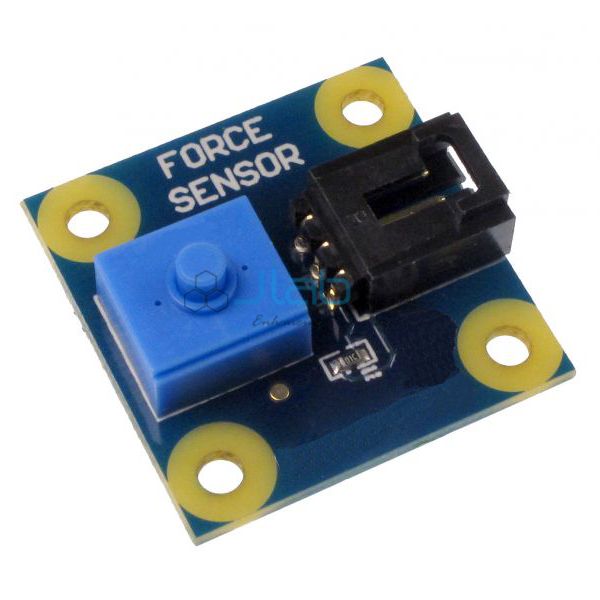
The High Current Sensor measures currents up to ±10 A in either direction by sensing the magnetic field the current makes. A Hall effect chip does the sensing, and a metal shield over it cuts the effect of outside magnets. The output runs from 0 to 5 V, typical resolution is 4.9 mA, and a replaceable 10 A fuse protects both the sensor and the circuit.
Specifications
| Sensing method | Hall effect chip under a metal shield |
| Current range | ±10 A |
| Typical resolution | 4.9 mA |
| Output voltage range | 0–5 V |
| Supply voltage | 5 V DC |
| Maximum voltage input | ±40 V |
| Protection | Replaceable 10 A fuse |
| Calibration | Slope 4.51 A/V, intercept −11.31 A |
| Minimum order quantity | 5 units |
| Dispatch time | Usually 7–10 working days |
| Manufacturer | JLab (Jain Laboratory Instruments Pvt Ltd), Ambala, India |
Practicals with the High Current Sensor
A first practical checks the sensor against a meter. Students connect it in series with a Rheostat, the Power Supply 0-30 Volts 3 Amp and a Digital Ammeter. They raise the current in steps and compare each converted reading with the meter. Swapping the supply leads makes the reading change sign, which shows that it reads the direction of the current.
With a Differential Voltage Sensor across a small filament lamp, the same loop gives a current and voltage curve that bends as the filament heats up. Teachers can also record the short surge a small DC motor draws when it starts, which a meter needle is too slow to show.
Frequently Asked Questions
How do I convert the output voltage into amperes?
Use the calibration line given for this sensor: current in amperes = 4.51 × output voltage − 11.31. Zero current therefore sits near the middle of the 0–5 V output, and the sign of the answer gives the direction of the current.
Can I use it on mains wiring?
No. The maximum voltage input is ±40 V, so keep it to low-voltage work such as bench supplies, batteries, small motors and lamp circuits. Mains circuits are far above that limit.
What should I do if the reading stops changing?
Switch off and check the replaceable fuse first. It is rated at 10 A and sits in the current path to protect the sensor and the circuit. Fit a new fuse of the same rating, never a larger one or a piece of wire.
Why does the Hall effect chip need a metal shield?
The chip responds to any magnetic field, not only the one made by the current in the sensor. The shield cuts the pull of nearby magnets, motors and transformers on the reading. Still keep strong magnets away from it during an experiment.
Should I choose the High or the Low Current Sensor?
Pick this sensor when currents reach several amperes, up to ±10 A, or when you need the fuse and the shielded chip. The Low Current Sensor is a smaller Hall effect module for currents up to 5 A AC or DC.
Other Sensors and Current Meters
- Low Current Sensor (up to 5 A)
- Clamp On Meter (AC current without breaking the circuit)
- Datalogger
For a quote, use Add To Cart or send us a message through the contact page.
Last updated: 6 November 2026