Reproduction in Plants Chart Manufacturer,Supplier and Exporter in India
Product Code : EL-BC-9260
Jlab Export is a leading Reproduction in Plants Chart Manufacturer,and suppliers in India
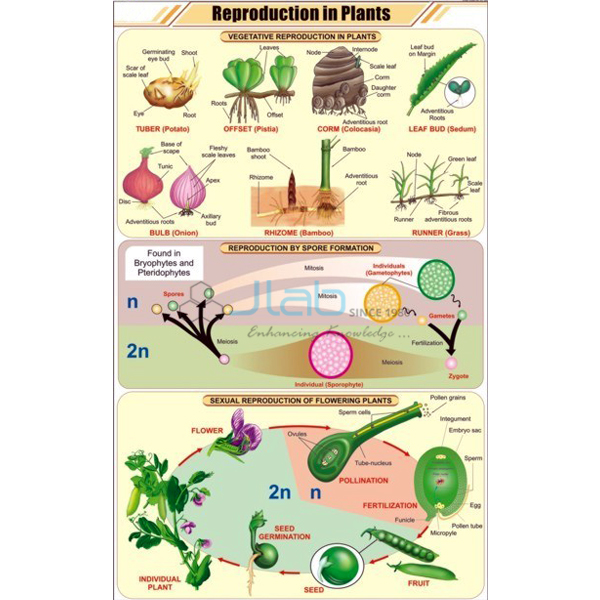
Reproduction in Plants Chart (code EL-BC-9260) is a 58 x 90 cm botany wall chart for biology lessons on how plants reproduce, in school science rooms and college botany labs. It is printed in full colour on art paper, laminated on both sides with thick plastic film, fitted with plastic rollers and has English text only. JLab (Jain Laboratory Instruments Pvt Ltd, Ambala, India) supplies it to schools, colleges and dealers.
Specifications
| Parameter | Detail |
|---|---|
| Subject | Reproduction in plants |
| Chart group | Botany Charts |
| Size | 58 x 90 cm |
| Printing | Full colour on art paper |
| Finish | Laminated on both sides with thick plastic film |
| Rollers | Plastic rollers fitted |
| Language | English only |
| Quality check | Each chart is visually inspected before dispatch |
| Pack quantity | Each (sold individually) |
| Minimum order quantity | 10 units |
| Dispatch time | Usually 7–10 working days |
| Product code | EL-BC-9260 |
| Supplied by | Jain Laboratory Instruments Pvt Ltd (JLab), Ambala, India |
What Is the Reproduction in Plants Chart Used For?
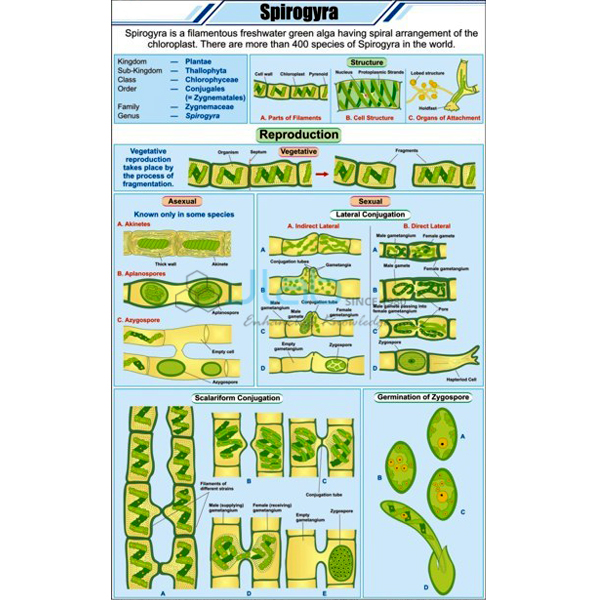
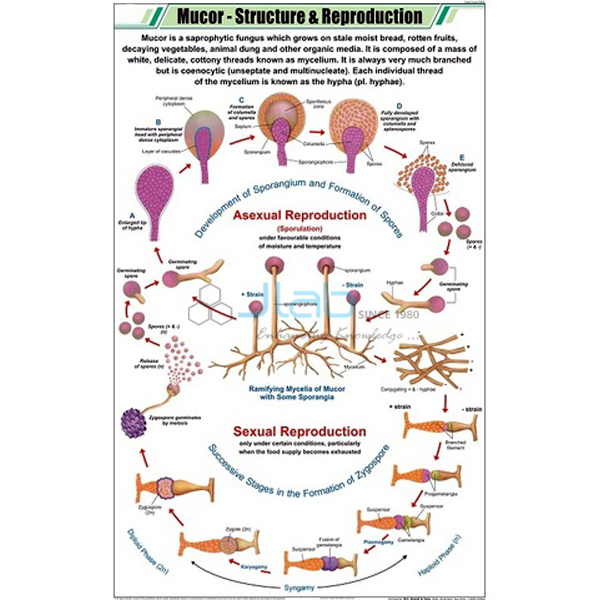
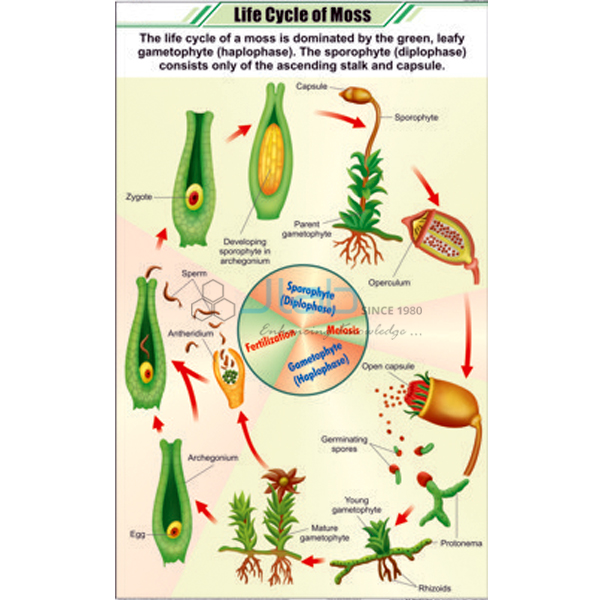
Plants reproduce in two broad ways. In asexual reproduction a single parent gives rise to offspring identical to itself: by vegetative propagation from a root, stem or leaf — the tubers of potato, the rhizome of ginger, the buds along the leaf edge of Bryophyllum — or, in simpler organisms, by spores (ferns and mosses), fragmentation (Spirogyra) and budding (yeast). In sexual reproduction, the way flowering plants form seeds, pollen carried from the anther to the stigma leads to fertilisation inside the ovule; the ovule then becomes the seed and the ovary becomes the fruit. Gardeners and farmers also use artificial methods — cuttings, layering and grafting — to multiply plants that keep the qualities of the parent.
The topic runs through school science and returns in class 12 biology with sexual reproduction in flowering plants, so one chart serves several year groups. Teachers can set it beside a potato sprouting from its eyes or a Bryophyllum leaf putting out plantlets on a damp tray. The laminated chart wipes clean and rolls up on its plastic rollers for storage.
What to Specify When Ordering
- Quantity — minimum 10 units; the pollination and double fertilization charts follow on from this one.
- Language — English only as listed; ask JLab first about any other language.
- Artwork check — ask for a photo of the current print to see which examples are shown.
Frequently Asked Questions
What is the difference between sexual and asexual reproduction in plants?
Asexual reproduction needs one parent and produces offspring identical to it, for example from tubers, rhizomes or leaf buds. Sexual reproduction involves the fusion of male and female gametes, usually after pollination, and produces seeds with new combinations of characters.
What is vegetative propagation?
Growing new plants from a root, stem or leaf instead of from seed, as with potato tubers, ginger rhizomes and Bryophyllum leaves; cuttings, layering and grafting are the artificial forms used in gardening and farming.
What size and finish is the chart?
58 x 90 cm, printed in full colour on art paper, laminated on both sides with thick plastic film and fitted with plastic rollers.
Who supplies the Reproduction in Plants Chart?
JLab — Jain Laboratory Instruments Pvt Ltd of Ambala, Haryana, India — supplies it and quotes directly.
Supplier
JLab is the trading name of Jain Laboratory Instruments Pvt Ltd, a private company incorporated in 2017 and based on Hargolal Road, Ambala, Haryana. As well as its own educational lab equipment, it supplies classroom charts like this one, so schools and distributors can combine charts and apparatus in one order. The company holds GSTIN 06AADCJ9848D1ZE and the Legal Entity Identifier 549300DTGS77DGYD6N03. Charts are inspected by eye before packing, and repeat orders are dealt with by the same team. JLab exports to all regions — Mexico in North America, Mauritius in East Africa, Georgia in Eastern Europe, Estonia in Northern Europe and Mongolia in East Asia are examples. For tenders, see the JLab lab tenders page.
Charts and Models on Plant Reproduction
- Pollination Chart — the transfer of pollen, the first step of sexual reproduction.
- Double Fertilization Chart — fertilisation in the embryo sac of flowering plants.
- Artificial Vegetative Propagation Chart — on artificial methods of vegetative propagation.
- Structure of Flower Chart — the reproductive organ of flowering plants.
- Typical Flower Model — a large flower model with all parts detachable and an ovary with a single ovule.
The full Botany Charts series and the wider Charts range are linked here.
Request a Quote
For a quotation straight from JLab, press the Add To Cart enquiry button or write through the contact page with the quantity (minimum 10 units), the chart titles you need and the delivery address or destination port.
Last updated: 3 October 2026